Accuracy, efficiency, and sustainability have been prioritized in recent advances in precision spraying and pest management systems. Here are a few noteworthy developments:
Artificial Intelligence and Machine Learning: To analyze data and make precise judgements in pest management, artificial intelligence (AI) and machine learning algorithms are being used. For the purpose of locating pest hotspots, streamlining spraying schedules, and anticipating pest outbreaks, these technologies can handle copious volumes of data from sensors, drones, and satellites. Real-time monitoring and focused treatments are made possible by systems powered by AI, which eliminates the need for widespread pesticide application.
Advanced sensor technology and Internet of Things (IoT) gadgets are being incorporated into pest control systems. Real-time monitoring of environmental variables, pest populations, and crop health is possible with these sensors. They give useful services.
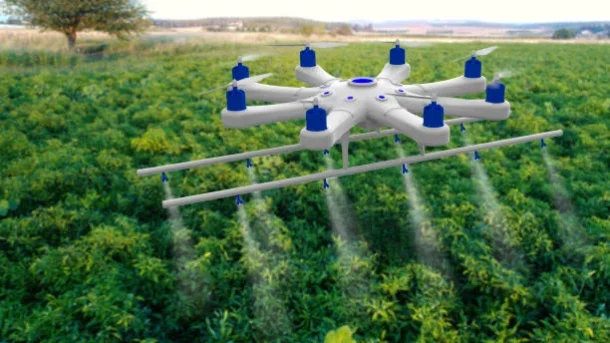
Precision spraying and pest management are being revolutionized by robotics and drone technology. Unmanned aerial vehicles (UAVs) with sensors and cameras may gather detailed information on crop conditions, insect populations, and disease outbreaks. Farmers can target specific locations for pesticide application and maximize resource use with the help of this information. Robotic equipment on the ground can also precisely distribute biological control agents or perform targeted spraying.
Variable Rate Technology (VRT): Based on spatial variability within a field, variable rate technology provides precise administration of pesticides. In order to adjust the pesticide application rate in response to crop conditions and pest distribution, VRT systems use maps created from sensor data or remote sensing data.