The agricultural industry is rapidly using the idea of a circular economy to support sustainability, resource efficiency, and waste reduction. Here are some examples of how the circular economy’s ideas are being applied to agriculture:
Recycling Organic Waste: Agricultural systems produce a lot of organic waste, including food waste, animal manure, and crop residues. These wastes can be seen as useful resources rather than as a nuisance. Organic waste can be recycled and converted into nutrient-rich fertilizers, biogas for energy production, or animal feed through the use of bioconversion techniques like composting, anaerobic digestion, and other processes. This ends the nutrient cycle, lessens the demand for synthetic fertilizers, and minimizes greenhouse gas emissions.
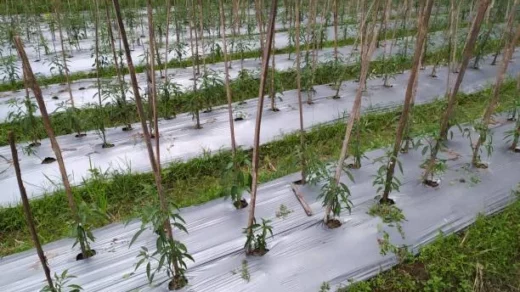
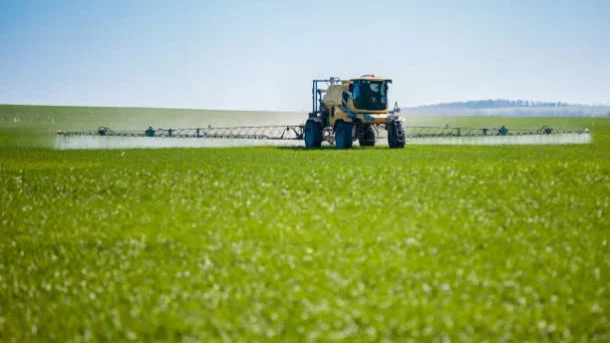
Precision agriculture technology, such as soil testing, remote sensing, and variable rate application systems, aid in the optimization of nutrient management in farming. Farmers can minimize excessive nutrient consumption, lower runoff and pollution, and increase nutrient uptake efficiency by carefully directing the application of fertilizers. This strategy stops nutrient loss, saves resources, and encourages long-term soil fertility.
Agriculture is a large user of water resources, hence water recycling and effective irrigation are important. Utilizing circular economy principles, water recycling technologies, such as rainwater collection and reuse, irrigation runoff treatment and reuse, and efficient irrigation techniques (such as drip irrigation), can help save water and lessen dependency on freshwater sources. This strategy reduces agricultural water waste and promotes the management of water resources, especially in areas with limited water supplies.