Consumer tastes and changing food habits have a big impact on the agricultural industry. Here are some significant ramifications:
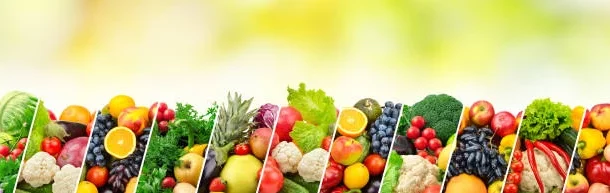
Demand Shift for Food Products: There is a change in the demand for various food products as dietary habits change. For instance, there is a rising demand for foods made from plants, such as plant-based meat alternatives, fruits, vegetables, and legumes. This change has an impact on the sorts of crops raised, methods used in raising livestock, and overall agricultural production systems.
Changes in food habits can have an impact on how land is used and how resources are distributed in agriculture. For instance, the growing demand for some crops may result in the need for more land to cultivate them. This may have an effect on deforestation, loss of biodiversity, and natural ecosystems. It also has an impact on how water, fertilizers, and other inputs are distributed to assist the production of favored food items.
Sustainability and Environmental Impact: Changing one’s diet can have both favorable and unfavorable effects on the environment. By switching to a more plant-based diet, one can lessen the effects of extensive cattle agriculture on greenhouse gas emissions, land degradation, and water use. If not managed responsibly, the rising demand for some crops could also result in an increase in pesticide use, nutrient runoff, and soil erosion. It is crucial.