Name a government program that aims to promote the cultivation of pulses and increase their production.

production

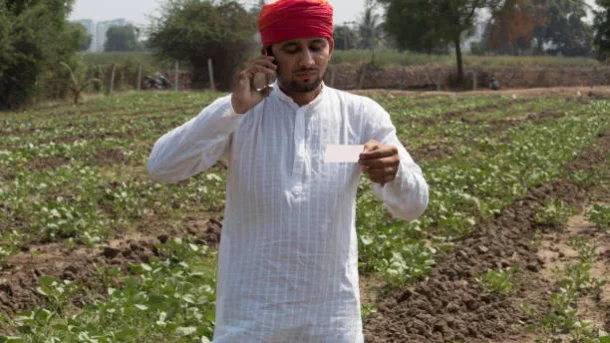
The “National Food Security Mission-Pulses” (NFSM-Pulses) is one government initiative that seeks to encourage the production of pulses in India. The Government of India established the NFSM-Pulses, a branch of the larger National Food Security Mission (NFSM), to increase the production of pulses, a significant source of protein in the Indian diet.

The NFSM-Pulses program’s primary areas of interest are as follows:

Improvement of varieties: The program aims to advance the production of high-yielding, disease-resistant pulse cultivars. It encourages farmers to use better tools and seeds to raise the yield and caliber of pulses.

Area expansion is the main goal of the NFSM-Pulses initiative, which helps farmers by offering them assistance and financial incentives. To address the rising demand for these products, it seeks to increase the cultivation of pulses in both rainfed and irrigated areas.

Increasing productivity: The program places a strong emphasis on using best practices and technologies to boost pulse productivity. This involves effective water use, suitable crop management practices, integrated nutrient management, adequate seed treatment, and pest and disease management.

What is the purpose of the National Food Security Mission (NFSM)?

National Food Security

India’s government has launched the National Food Security Mission (NFSM) with the aim of boosting food production and guaranteeing food security in the nation. The 2007-launched NFSM aims to increase production of rice, wheat, and pulses because they are crucial crops for the nation’s food security.

The following are the main goals of the National Food Security Mission:

Increasing food production: In order to fulfill the expanding food needs of the country’s population, the NFSM wants to boost the production of food crops, particularly rice, wheat, and pulses. By fostering improved agricultural practices, better crop management, and the use of cutting-edge technologies and farming methods, it focuses on closing the yield disparities.

production-boosting measures include promoting high-yielding varieties, better seed quality, balanced nutrition management, effective irrigation techniques, and integrated pest and disease control. The mission seeks to increase the production of food crops. By taking these steps, the output from each unit of land, water, and other resources should grow.

In order to maintain long-term food security, the NFSM places a strong emphasis on sustainable agricultural techniques. It encourages the use of resource-saving farming methods such integrated farming systems, organic farming, and conservation agriculture. These methods support resource conservation, environmental protection, and the sustainability of agricultural production systems.

Which scheme provides insurance coverage to farmers against weather-related crop losses?

crop losses

The Pradhan Mantri Fasal Bima Yojana (PMFBY) is an insurance program that protects farmers in India from agricultural losses caused by weather. The Indian government introduced the Pradhan Mantri Fasal Bima Yojana, Which scheme provides insurance coverage to farmers against weather-related crop losses insurance program, in 2016 to take the place of the National Agricultural Insurance Scheme (NAIS) and Modified National Agricultural Insurance Scheme (MNAIS), which had previously existed.

The Pradhan Mantri Fasal Bima Yojana’s principal goal is to give farmers financial assistance and insurance protection in the event that their crop losses due to natural disasters, pests, illnesses, or unfavorable weather. The program attempts to protect farmers’ income and guarantee their stability in the event of crop failure.

The Pradhan Mantri Fasal Bima Yojana’s main characteristics are as follows:

Comprehensive coverage: The PMFBY offers insurance protection for all horticultural, oilseed, and food crops (including cereals, millets, and pulses). It covers crop losses caused by recognized hazards, such as drought, flood, cyclone, hailstorm, pest attacks, illnesses, etc., both before sowing and after harvest.

Premium Subsidy: The program provides farmers with premium subsidies to lessen their financial burden. Farmers can only pay a maximum premium of 2% for Kharif crops, 1.5% for Rabi crops, and 5% for horticulture crops. The premium rates are negligible. The federal and state governments split the remaining premium payment.

What is the main objective of the Pradhan Mantri Krishi Sinchai Yojana (PMKSY)?

Krishi Sinchai Yojana

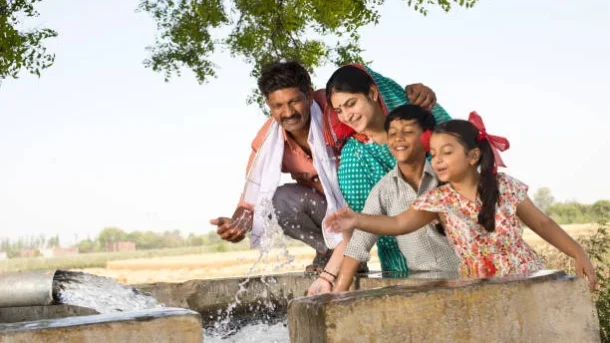
The Pradhan Mantri Krishi Sinchai Yojana (PMKSY)’s primary goal is to increase agricultural crop yield and boost water use effectiveness through the adoption of effective irrigation techniques. The government of India introduced the program in 2015 with the intention of delivering “Har Khet Ko Pani” (Water for Every Field).

The following are the main goals of the Pradhan Mantri Krishi Sinchai Yojana:

The PMKSY is focused on ensuring that there is water available for irrigation in every agricultural sector. To meet the irrigation needs of farmers, it strives to develop new water sources, improve existing water sources, and upgrade water storage and distribution facilities.

Increasing the number of irrigated areas: The program encourages the adoption of effective irrigation methods and technology in order to increase the number of irrigated areas throughout the nation. It focuses on maximizing water use effectiveness, decreasing water waste, and enhancing the irrigation system as a whole.

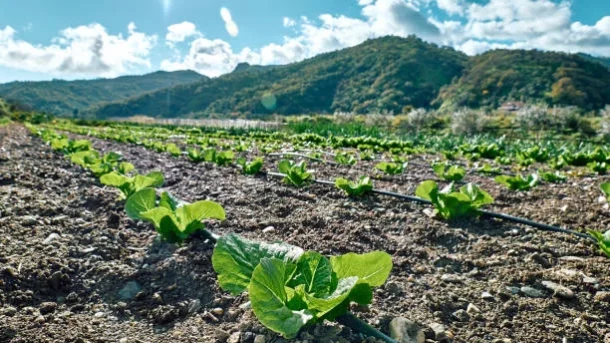
The PMKSY seeks to increase the effectiveness of water consumption in agriculture by promoting the use of micro-irrigation methods including drip irrigation and sprinkler irrigation. These methods aid in increasing agricultural water intake, minimizing water losses from evaporation and percolation, and supplying water directly to plant roots.

Name a government initiative that aims to promote the use of solar energy in agriculture.

solar energy

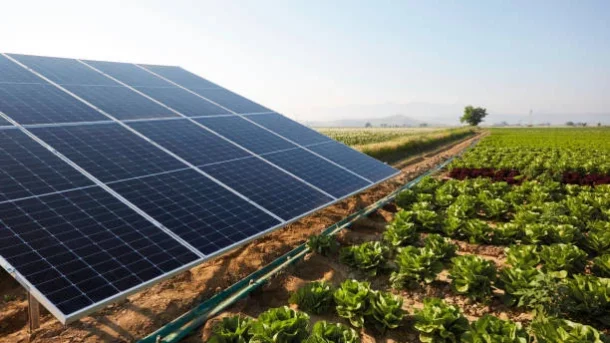
The “Solar Pumping Scheme for Irrigation” is one of the government programs in India that tries to increase the use of solar energy in agriculture. Under the auspices of the Jawaharlal Nehru National Solar Mission (JNNSM), the Ministry of New and Renewable Energy (MNRE) is carrying out this effort.

The Solar Pumping Scheme for Irrigation seeks to substitute solar-powered pumps for current diesel or grid-connected irrigation pumps. It promotes the use of solar energy for irrigation in agricultural activities, especially in off-grid and rural locations where access to or reliability of the electrical supply are issues.

In accordance with this plan, farmers receive financial support and incentives to install solar pumps for irrigation. The solar pumps don’t require expensive diesel fuel or the grid because they use photovoltaic panels to turn sunshine into electricity. This lessens reliance on traditional energy sources while promoting environmentally friendly and sustainable irrigation practices.

Depending on the farmer’s needs for irrigation and the size of his or her landholding, the program offers a variety of solar pump models. Farmers may more easily purchase solar pumps because the government partially covers their installation and upkeep costs through subsidies.

The Solar Pumping Scheme for Irrigation promotes the use in agriculture with the goal of lowering carbon emissions, increasing energy efficiency, and giving farmers dependable and affordable irrigation options.

Which scheme focuses on the development of horticulture in India?

horticulture in India

The National Horticulture Mission (NHM) is the program that aims to advance horticulture in India. The Government of India has launched an initiative called the National Horticulture Mission to support the overall growth and development of horticulture in the nation.

The following are the main goals of the National Horticulture Mission:

Increasing horticulture production: The NHM intends to raise horticultural output, productivity, and quality through the adoption of contemporary technologies, better growing techniques, and effective resource management. Fruits, vegetables, flowers, spices, medicinal and aromatic plants, and plantation crops are just a few of the horticulture-related subsectors that are the topic of this article.

Building and enhancing the essential horticulture infrastructure, such as irrigation systems, post-harvest management systems, cold chain storage systems, processing facilities, and marketing infrastructure, is the aim of this project. This attempts to lessen post-harvest losses, lengthen shelf life, and make it easier for horticultural produce to access markets.

Encouragement of integrated and sustainable farming systems: The NHM promotes techniques including organic farming, agroforestry, precision farming, protected cultivation, and water-efficient technologies in order to encourage the adoption of integrated and sustainable agricultural systems. It seeks to advance horticultural eco-friendly methods, resource conservation, and environmental sustainability.

What is the primary objective of the National Livestock Mission (NLM)?

Livestock Mission

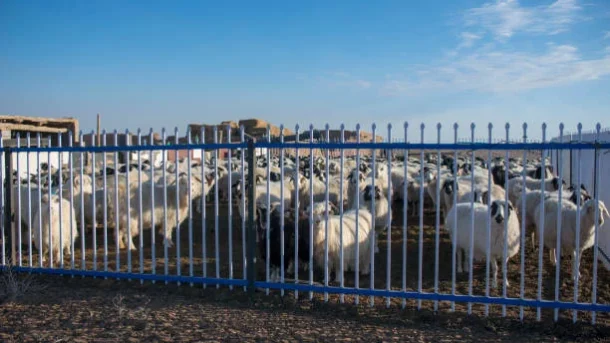
The National Livestock Mission (NLM) is a program the Indian government has put in place to encourage sustainable livestock development and raise livestock output throughout the nation. The National Livestock Mission’s main goal is to increase the income of small and marginal farmers by encouraging good animal husbandry techniques, raising livestock output, and ensuring that livestock receive the right health care and nutrition.

The NLM specifically seeks to accomplish the following goals:

In order to increase the productivity and output of livestock, the mission is focused on encouraging scientific breeding, feeding, and management practices. This entails encouraging the use of high-quality animal feed and fodder and implementing contemporary animal husbandry methods in order to increase the genetic potential of animals.

Providing infrastructure, training, and support for disease control and prevention in order to assist animal health care and disease prevention: The NLM intends to strengthen the delivery system for veterinary healthcare. This covers disease surveillance, the installation of veterinary hospitals and pharmacies, and the development of the skills of veterinary professionals.

Supporting skill development and capacity building for farmers and other stakeholders is one of the goals of the mission, which aims to promote entrepreneurship in the cattle industry. This comprises training courses on managing cattle, adding value, and marketing to increase prospects for making money.

Name a scheme that aims to promote dairy farming and provide financial assistance for the establishment of dairy units.

dairy units

The “Dairy Entrepreneurship Development Scheme” (DEDS) is one program in India that attempts to promote dairy farming and offer financial help for the creation of dairy units. The Ministry of Fisheries, Animal Husbandry, and Dairy is a government agency that oversees the Department of Animal Husbandry and Dairy.

The Dairy Entrepreneurship Development Scheme’s salient characteristics and advantages include:

Financial support: DEDS provides financial support for the development of new dairy units as well as the expansion and modernisation of existing units in the form of capital subsidies and loans. The funding helps with a number of things, including building infrastructure, buying dairy animals, buying equipment, and setting up milk processing and chilling facilities.

Technical assistance and training: The program offers dairy business owners technical assistance and training. It consists of demonstrations on several facets of dairy farming, such as animal nutrition, breeding, herd management, disease control, and milk processing, as well as programs to improve capacity and develop skills.

Which government program provides subsidized seeds and fertilizers to farmers in India?

subsidized seeds and fertilizers

The “National Food Security Mission” (NFSM) is the name of the government initiative in India that offers farmers subsidized seeds and fertilizers. The Department of Agriculture, Cooperation, and Farmers Welfare, which is a division of the Ministry of Agriculture and Farmers Welfare, is responsible for implementing the NFSM, a program that is centrally financed.

Although the NFSM’s main goals are to boost food production and guarantee food security, it also includes elements for giving farmers access to subsidized seeds and fertilizers. These elements are designed to assist farmers in implementing more productive farming methods and raising crop yields.

As part of the NFSM, qualified farmers can take use of a variety of programs and initiatives, including:

The NFSM offers discounts on the purchase of high-quality, certified seeds, including hybrid and enhanced types. The financial burden on farmers is lessened by the subsidies, which also promote the use of enhanced seed varieties with higher yield potential, disease resistance, and other desirable characteristics.

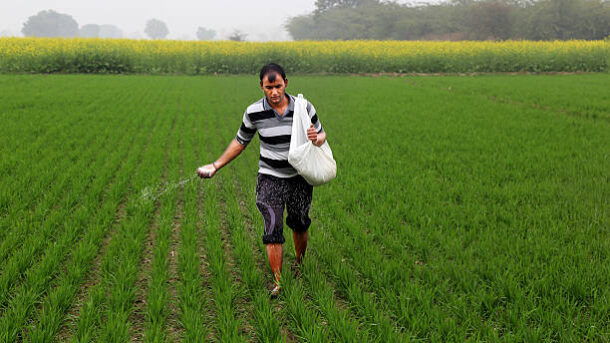
Subsidized fertilizer distribution to farmers is a part of the NFSM. Through financial assistance and subsidies on fertilizers like urea, DAP (Di-ammonium Phosphate), potash, and other vital nutrients, the program encourages the balanced use of fertilizers.

While the NFSM offers subsidized seeds and fertilizers, it’s vital to remember that state-by-state variations in implementation may occur. The program can be modified by each state government according to unique demands, crop trends, and issues in the state’s agriculture industry.

What is the purpose of the Soil Health Card Scheme in India?

Soil Health Card Scheme

The Soil Health Card Scheme in India aims to evaluate the nutritional condition of agricultural soils and offer farmers individualized advice for enhancing soil fertility and health. The program aims to advance sustainable agriculture methods and increase farming’s productivity and profitability.

The Soil Health Card Scheme main goals are as follows:

Assessing the health of the soil is the main goal of the program, which focuses on taking soil samples from farmers’ fields and testing them thoroughly in recognized labs. The examination offers details on the soil’s nutritional composition, pH value, organic carbon concentration, and other crucial factors affecting soil health.

Customized advice: Based on the results of the soil test, farmers are given a Soil Health Card that is especially tailored and offers detailed advice on how to apply balanced nutrients. The guidelines outline the proper types and amounts of soil amendments, fertilizers, and other inputs needed to maximize crop growth and yield.

The program encourages the wise and effective use of fertilizers by instructing farmers on the correct administration of nutrients based on the nutritional condition of the soil. It seeks to prevent fertilizer overuse or underuse, which can result in environmental damage or nutrient deficiencies.