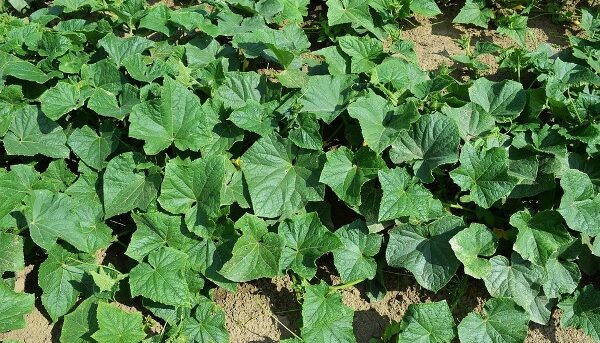
Preparing the soil for cucumber farming involves several steps:
- Soil testing: Conducting a soil test can help determine the pH level and nutrient content of the soil, which will inform what soil amendments may be necessary. Cucumbers prefer a slightly acidic soil with pH between 5.5 and 6.8.
- Soil amendment: Add organic matter such as compost or well-rotted manure to the soil to improve its structure and fertility. This will also help to improve water retention and drainage.
- Fertilization: Based on the soil test results, add the necessary nutrients and fertilizers to the soil. Cucumbers are heavy feeders, they require a lot of nitrogen and potassium.
- Drainage: Make sure the soil is well-drained and that there is no standing water in the field. Cucumbers are sensitive to waterlogging and can be easily damaged by excess water.
- Irrigation: Irrigation is important in cucumber farming. Cucumber plants need to be kept consistently moist, but not waterlogged. Drip irrigation is the best method for cucumber farming.
- Bed formation: Form raised beds of around 1-2 feet high and 3-4 feet wide. This will help with drainage and make it easier to control the weeds.
- Cover cropping: Consider planting a cover crop before planting cucumbers. Cover crops like rye or buckwheat can help to improve soil health and suppress weeds.
- Pest and disease management: Before planting, it is important to ensure that the soil is free of pests and disease. Use appropriate pest control methods and fumigate the soil if necessary.
It is important to remember that the specific needs of the soil can vary depending on the location, weather, and other environmental factors.


Good information