Climate and Growing Conditions: Each crop has unique environmental and climate needs. Take into account the growing season length, humidity, rainfall, and temperature in your area. To increase the likelihood that your seeds will germinate and grow well, selecting seeds that are well adapted to your region’s climate.
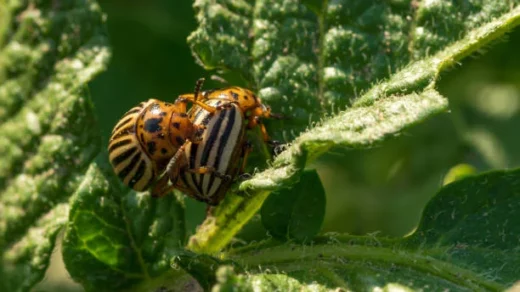
In order to grow a given crop, selecting seeds that are resistant to typical diseases and pests that harm that crop. The need of chemical interventions can be minimized with the use of disease-resistant seedlings.
Yield and Productivity: Take into account the crop variety you are choosing’s potential yield and productivity. Look for seeds that have a history of consistently producing good yields. Frequently, seed catalogs or regional agricultural extension offices will have this information.
Maturity Period: The time from planting to harvest is referred to as a crop’s maturity period. Choose seeds with a maturation duration that corresponds with the length of your growing season. By doing this, you can be confident that the crop will have enough time to mature and yield a harvest before bad weather conditions appear.
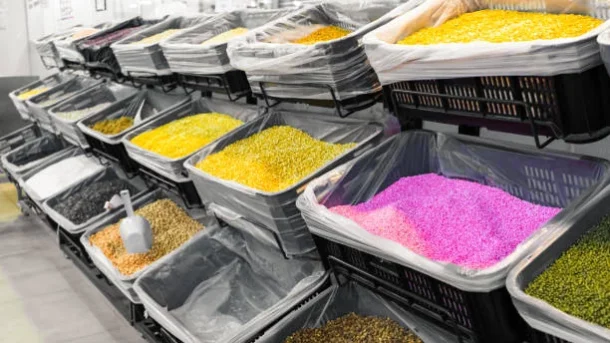
Quality and Viability: Pick seeds with a high level of both quality and viability. Examine elements including seed uniformity, color, and size. To retain the seeds’ viability, make sure they are properly stored and are not old.
Desired Traits: Take into account any particular traits or qualities you are trying to find in your crop. This may involve elements like flavor, color, texture, or particular nutritional characteristics. The flavor, look, and nutritional content of different seed kinds might vary.