Buy seeds from dependable vendors: It’s critical to purchase seeds from dependable, accredited seed suppliers. These suppliers follow quality guidelines and offer seeds that have undergone testing and been found to be of high quality and purity. Look for seed businesses that have a history of generating high-quality seeds and a solid track record of delivering on their promises.
Examine the seed labels and packaging to make sure they include comprehensive information about the seed variety, origin, germination rate, purity, and any treatments or coatings used on the seeds. The name and contact details of the seed source should also be on the label. Make sure the packing is complete and sealed properly.
Seek out certification and quality assurance; Certified seeds have undergone stringent quality testing and have proven to meet the requirements of seed certification organizations. Check to determine whether the seeds have any quality and purity assurance certifications or are certified by a reputable organization. By being certified, seeds are guaranteed to have undergone purity, germination, and contamination or disease testing.
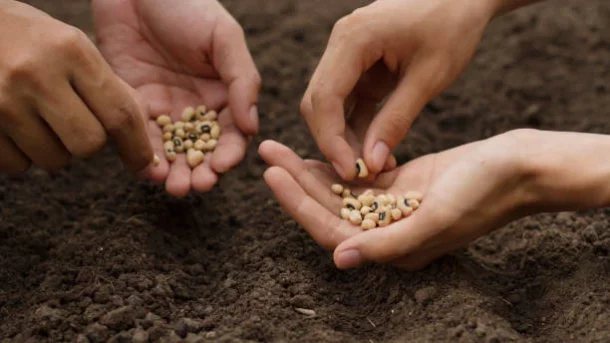
Simple germination tests can be carried out by farmers to determine the viability and germination rate of the seeds. Take a sample of the seeds, and then follow the correct germination protocols, such as offering the right amount of moisture and heat. Keep track of the percentage of seeds that sprout within a certain amount of time. Poor seed quality may be indicated by a low germination rate.