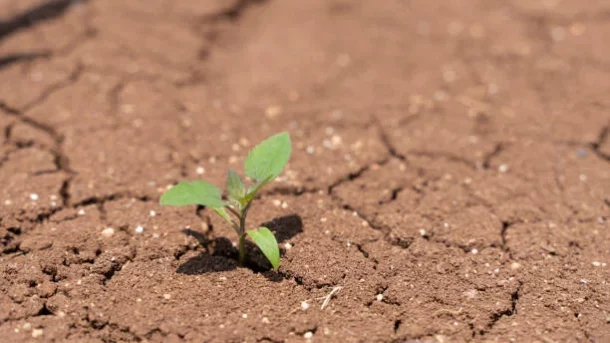
Lack of Water Supply: When there is not enough water available to meet the needs of crops, livestock, and other agricultural operations, water scarcity in agriculture develops. Natural reasons like little rainfall, scarce water supplies, or conflicting water needs from other industries may be to blame for this.
Irrigation challenges: In many locations, irrigation is essential for agriculture, yet water scarcity can restrict the supply of irrigation water. Reduced agricultural yields, stunted development, and even crop failure can occur as a result of insufficient water for irrigation. It may be difficult for farmers to supply their crops with the water they need.
Increasing Competition for Water Resources: For the limited water resources available, agriculture competes with other industries, metropolitan regions, and ecosystems. Water scarcity in agricultural regions can be made worse by rapid urban and industrial expansion, which reduces the amount of water available for farming.
Ineffective Water Management: Water scarcity problems may be made worse by ineffective water management techniques, such as out-of-date irrigation systems, excessive irrigation, and inadequate water delivery networks. Excessive evaporation, water losses, and improper irrigation of crops can all result from inefficient water use.