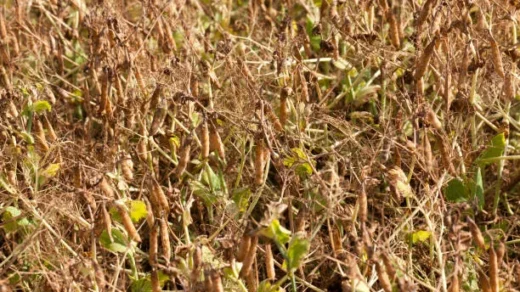
Vulnerability to pests and diseases: When a sizable amount of agricultural land is set aside for a small number of staple crops, it fosters an environment that is conducive to the proliferation and flourishing of pests and diseases. Systems with monocultures lack the natural biodiversity needed to control illnesses and pests. A single outbreak of a pest or disease can result in considerable crop losses across a large area, endangering both food security and way of life.
Degradation of the soil: Growing the same crop continuously without rotation or variety can deplete the nutrients in the soil, lower its fertility, and raise the possibility of erosion. The nutrient needs of and interactions with the soil ecology of various crops differ. Lack of diversification deprives the soil of the advantages brought forth by complementary nutrient cycling and crop rotation.
A greater reliance on outside resources: Monoculture systems frequently depend extensively on outside inputs like petrochemical fertilizers and insecticides. This reliance on agrochemicals may have detrimental effects on the environment, such as soil degradation, water body contamination, and harm to beneficial creatures. The high cost of inputs can also make farming for small-scale farmers less economically viable and increase their reliance on outside suppliers.
Farmers that concentrate on a small number of staple crops are more vulnerable to market fluctuations in the prices and availability of those products. The incomes and way of life of farmers can be significantly impacted by changes in market prices. Additionally, farmers can have trouble locating alternate markets or modifying their production if there is an excess of a crop or a fall in demand for it.