Scientific Farming

Why de-suckering is practiced in banana?

de-suckering

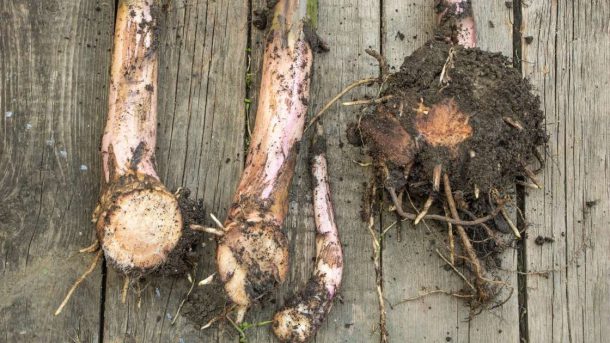
De-suckering is the process of removal of suckers. A number of suckers from the underground stem are produced during the life cycle of banana resulting in intra-mat competition through creation of multiple sinks and intensification of root and rhizome competition for space, water and nutrients. Therefore, growth of excess suckers should be discouraged before they become too large and unmanageable to interfere with growth of the parent plant.

What does soil color indicates?

color indicates

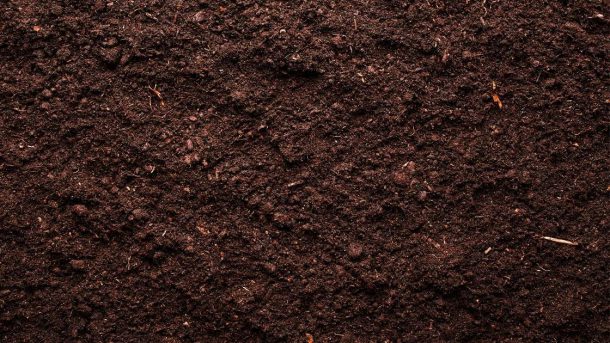
Dark color indicates usually medium to high fertility due to high amount of organic matter. These soils have usually high amount of nutrients, good water holding capacity and structure and are well aerated. Light color indicates medium to low fertility. These soils may have leaching issue (water makes organic matter and other nutrients move
downward faster).

What is precision farming?

precision farming

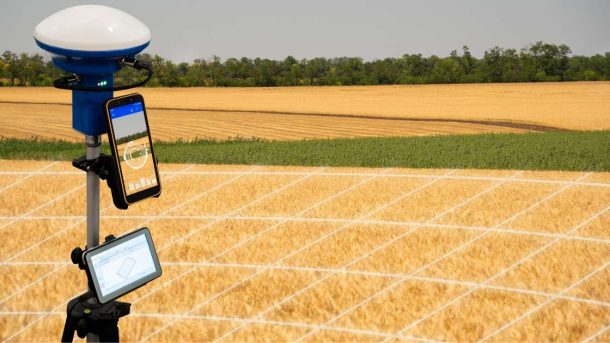
Precision farming can be explained as a technology-enabled approach to farming management that observes, measures, and analyzes the needs of individual fields and crops. The goal of precision agriculture research is to define a DSS (Decision Support System) for whole farm management with the goal of optimizing returns on inputs while preserving resources. Precision farming is a new concept adopted throughout the world to increase production, reduce labor time, and ensure the effective management of fertilizers and irrigation processes.

What is MSP( Minimum Support Price )?

MSP

Minimum Support Price (MSP) is a form of market intervention by the Government of India to keep a fixed price on agricultural products to protect producers from any sharp fall in farm prices. Government announces MSP at the beginning of the sowing season for certain crops on the basis of the recommendations of the Commission for Agricultural Costs and Prices (CACP).The minimum support prices are a guarantee price for farmer’s produce from the Government. The major objectives of government behind introducing MSP is to support the farmers from distress sales and store food grains for public distribution. In case the market price for the commodity falls below the announced minimum price due to bumper production and glut in the market, government agencies purchase the entire quantity offered by the farmers at the announced minimum price.

How weed management is done in wheat?

weed management

Cultural methods for weed management include hand hoeing ,Inter cultivation, crisscross sowing. Hand weeding is done after 35th day of sowing. Spray Isoproturon 800 g/ha as pre-emergence spraying 3 days after sowing. Use of MCPA (1 – 1.5 kg ai/ha) dissolved in 700 – 800 litres applied at 25 – 30 DAS Efficiency can be increased by mixing urea@ 3%. Mixture of Isoproturon (0.75 kg ai/ha) and 2, 4D (0.4 kg ai/ha) during 30- 35 DAS.

What are the symptoms of Fusarium Wilt in cotton ?

Fusarium Wilt

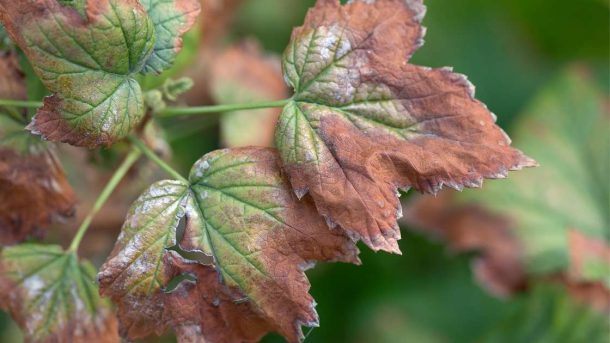
Fusarium wilt results in stunted plant growth , yellowing of plants and defoliation. Yellowing starts in the edges of leaves and then move inwards. Brown discoloration occurs in stems which is more intense in outer layer of tissues. Infected plants fruit earlier and produce smaller boll. In seedlings and young plants, cotyledons and leaves wilt, may turn necrotic, and even fall off the plant, resulting in bare stems. In mildly affected plants, lower leaves develop symptoms but plants survive, but with reduced vigor and noticeable stunting.

What is Economic Threshold Level ( ETL )?

ETL

The pest density at which management action should be taken to prevent an increasing pest population from reaching the economic injury level is called Economic Threshold Level ( ETL ). Economic thresholds can be expressed in a variety of ways including the number of insects per plant or per square meter, the amount of leaf surface damage, etc. Pest population assessment and decision making are among the most basic elements in any integrated pest management (IPM) program. Economic thresholds help in taking decisions by providing guidance as to whether insect control will have an economic benefit. Economic threshold helps in reducing the use of pesticides and are one of the keys to profitable pest management. The development of economic thresholds requires knowledge of pests, their damage, the crop’s response to damage, and estimates of likely crop value and costs of control.

How post-harvest handling is done in Banana?

Banana

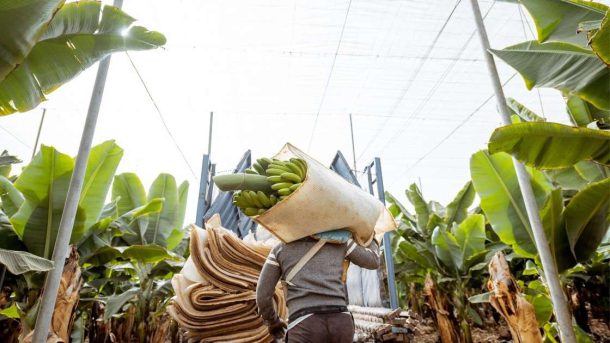
Bananas can be stored for up to a week in a cool place but unripe bananas should not be stored in the refrigerator as this may irreversibly interrupt the ripening process. Banana can be stored for maximum of one week , if it is ripe. Banana should be stored at 130 to 140 C. To hasten ripening and softening, bunches are kept out of light. For export, hands are cut into units of 4-16 fingers, graded for both length and girths and carefully placed in poly-lined boxes to hold 12 to 18 kg depending on export requirement. Before packaging fruits are cleaned in water or dilute sodium hypochlorite solution to remove the latex and treated with thiabendazole.

What is Soil Sterilization?

Soil Sterilization

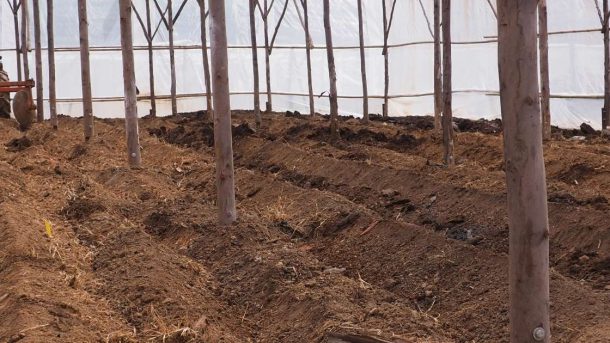
Soil sterilization is a farming technique that sterilizes the soil using chemical or physical means. Sterilization helps in suppression of weed and helps in killing fungi , nematodes and bacteria present in the soil. Chemical means include use of herbicides and fumigants and physical method include use of steam and solar energy. Soil sterilization is used in greenhouse operations, open field and the production of high-value or specialty crops. The use of sterilized soil produces healthier plants, saves time and money, and can benefit the environment.

How is Trichoderma used in agriculture ?

Trichoderma

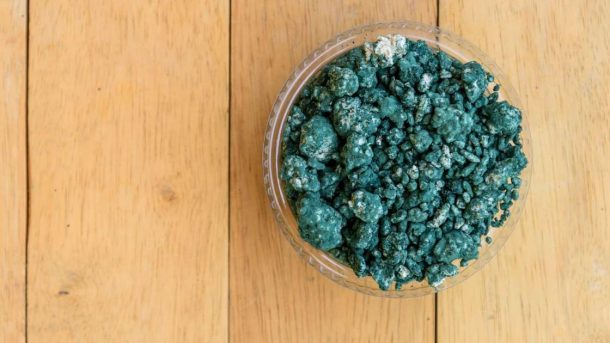
Trichoderma spp. is a fungus which are used in agriculture as bio-fungicide. Trichoderma viride, T. harzianum and T. virens are most extensively used fungal antagonists. Due it’s fungicidal property , they are used as biocontrol agents against plant pathogenic fungi. It protects plants from fungi such as Pythium , Rhizoctonia, and Armillaria. Trichoderma spp. are found naturally in the soil and is used for seed dressing to control soil and seed-borne diseases. When it is applied at the same time as the seed, it colonizes the seed surface and kills not only the pathogens present on the cuticle , but also provides protection against soil-borne pathogens. Fermentation technology is commonly used for their mass production.