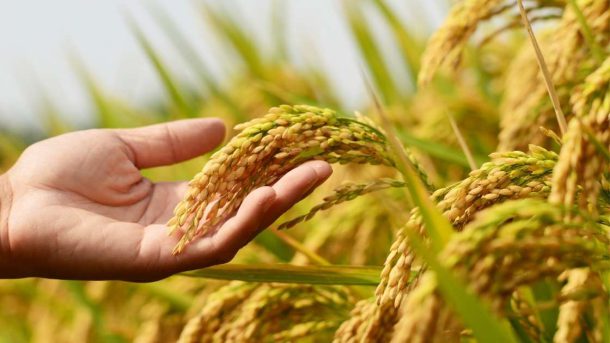
There are four critical stages of rice / paddy and they are Tillering, Panicle Initiation, Heading and Flowering.
Scientific Farming
What is Mulching?
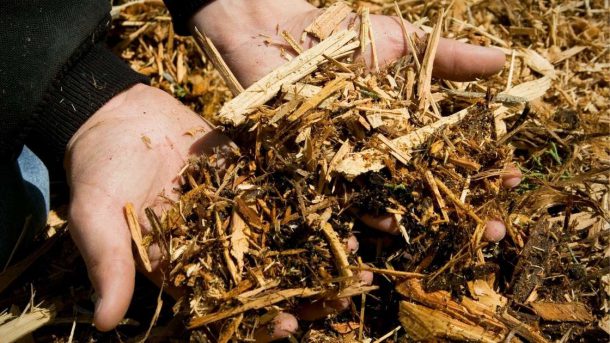
Mulching is the process of covering soil in order to provide favorable condition for growth and development of plants that results in efficient crop production. Natural mulches such as leaf, straw, dead leaves and compost can be used . Synthetic material like plastic can also be used for mulching. Mulching helps to minimize moisture losses and weed population .Mulches minimizes water runoff, improve infiltration capacity of soil, restrain weed population via shading, and perform as obstacle in evapotranspiration. It also helps in temperature regulation of soil and plant roots, minimum nutrient losses, cut down soil erosion and compactness, and improves physical conditions of soil.
What are the symptoms of sigatoka leaf spot disease?
Symptoms of sigatoka include appearance of small light yellow or brownish green narrow streaks on leaves. They enlarge in size becomes linear, oblong, brown to black spots with dark brown brand and yellow halo. Rapid drying and defoliation of the leaves can be observed. Black specks of fungal fructification appear in the affected leaves.
What are pheromone traps and why are they used?
Pheromone traps are used for trapping insects using smell of one sex. These are commonly used for the control of cotton bollworms. Pheromones traps are used both for counting insects and killing them .Most commonly used pheromones includes sex pheromones and aggregating pheromones . Pheromones traps are mostly used for detecting presence of exotic pests, for sampling , monitoring or to identify first appearance of a pest in an area. Pheromone traps are highly species-specific , inexpensive and easy to implement. Pheromone based pest controls can be used in household and in storage facilities. They also helps in mating disruption of insects which controls insect population.
What is C:N ratio of soil?
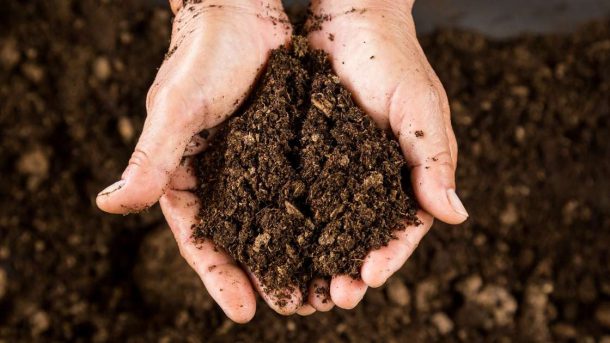
Carbon and nitrogen are important chemical elements that are present in the organic matter. The ratio of mass of carbon to nitrogen is called C:N ratio. A C:N ratio of 10:1 means there are ten units of carbon (C) for each unit of nitrogen in the soil. This ratio plays an important role in the functioning of soil. C:N ratio helps in crop residue decomposition and crop nutrient cycling. Soils with a carbon-to-nitrogen (C:N) ratio of 24:1 have the optimum ratio for soil microorganism to stimulate release of nutrients like nitrogen , phosphorous and zinc to the crops. It is very important to understand C:N ratio while planting cash crops and cover crops. C:N important in composting because microbes need a good balance of carbon and nitrogen to stay active. High C:N ratio results in long duration for composting and enhanced nitrogen loss happens due to low C:N ratio.
What is Vermi-composting?
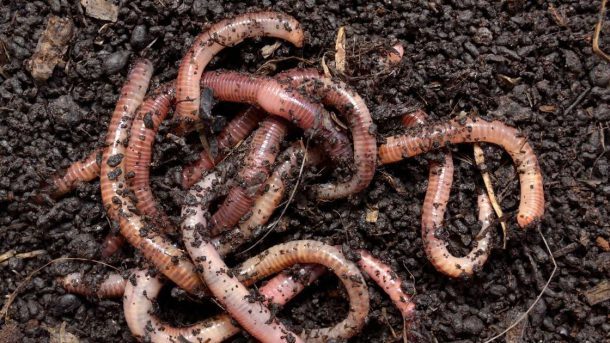
The process by which earthworm convert organic manure in to fertile manure is called Vermi-composting. Important species of earthworm used for vermicomposting in Indian conditions are Epigeic Eugeniae, Eisenia Foetida, and Perionyx Excavatus. Vermi-compost are used in farming and small scale sustainable organic farming because they contains water-soluble nutrients and is an excellent, nutrient-rich organic fertilizer and soil conditioner. Earthworms grind and uniformly mix minerals in simple forms, which makes it easy for the plants to obtain them. The end-product of the breakdown of organic matter by earthworms is called vermicast. These castings contains reduced levels of contaminants and a higher saturation of nutrients than the organic materials before vermicomposting. Hence, Worm castings can be used as an organic fertilizer.
What is chlorosis and what causes it?
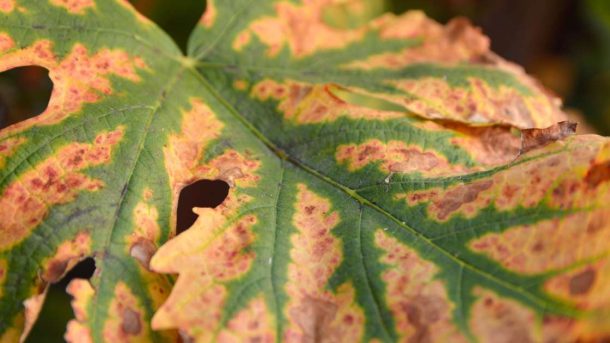
Chlorosis is the loss of chlorophyll leading to yellowing in leaves. It is caused by the deficiency of elements like K, Mg, N, S, Fe, Mn, Zn and Mo. Plants affected with chlorosis will lose their ability to synthesize carbohydrates and will die unless the cause of its chlorophyll insufficiency is treated and might lead to plant disease called rust. Chlorosis occur due to many reasons namely mineral deficiency , poor drainage , root damage , exposure to Sulphur dioxide and soil pH that makes minerals unavailable to roots for absorption etc.
What is GAP ?

Good Agricultural Practice (GAP) is a certification system for agriculture, specifying procedures that must be implemented to create food for consumers or further processing that is safe and wholesome, using sustainable methods. This include practices that address environmental, economic and social sustainability for on-farm processes, and which result in safe and quality food and non-food agricultural products. Chronic overuse and misuse of agricultural pesticides resulted in introduction of GAP. Government planned to reduce use of pesticides by introducing an alternative method of pest management , while at the same time ensuring a steady production of safe and wholesome food .GAP maintains a database that collects , analyze , and disseminate information of good agricultural practices in relevant geographical contexts.
How seed treatment is practiced in chilli to prevent attack of aphid and jassid?
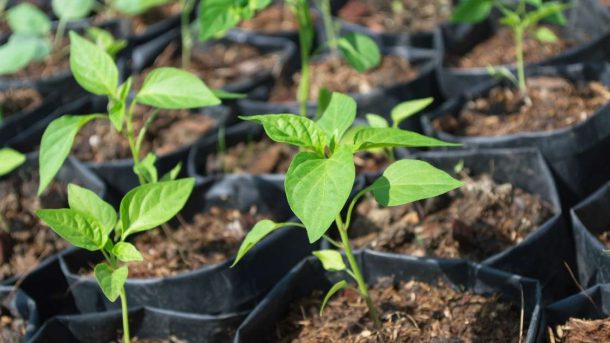
Treatment of seed using imidacloprid at the rate of 70 WS @ 10-15 gm a.i./kg seed . Seed treatment is done under
guidance of an agriculture expert in proper doses.
What is No-till farming?
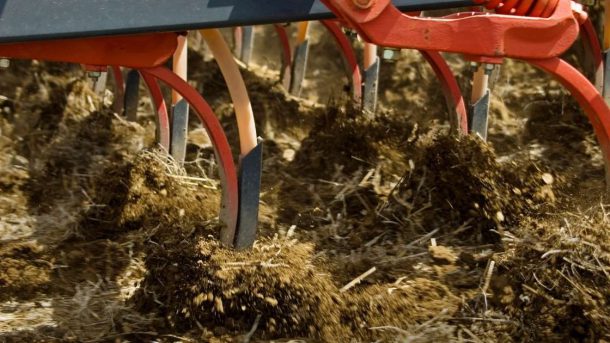
No-till farming also known as zero-tillage or direct drilling is an agriculture technique for growing crops without disturbing the soil through tillage. No-till farming reduces the amount of soil erosion caused by tillage practices. This technique also helps in increasing water infiltration rate , nutrient cycling and soil retention of organic matter. Furthermore, it helps in maintaining population of living organism in the soil. Organic no-till system uses combination of strategies such as use of cover crops to suppress weeds while conventional system used herbicides for weed control.