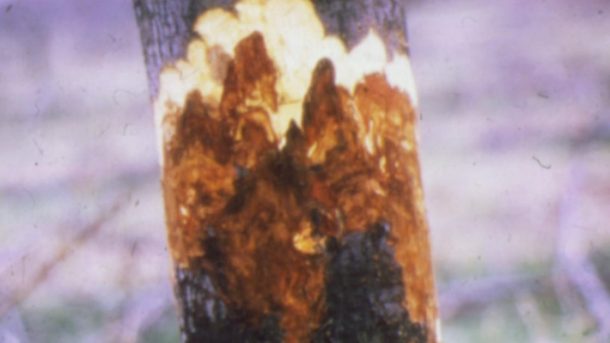
Crown rot disease is caused by the fungus that causes Phytophthora tot but causes decay at the tree roots or crown. Disease symptoms include delayed bud break and bark discoloration and twig die back. Carefully remove some of the soil from the plant roots, taking care not to injure the tree. Scrape away the outer bark to reveal interior wood that is reddish brown and water soaked, confirming that the apple tree is infected with crown rot. There is no cure for crown rot and the apple tree will likely eventually die. Plant apple trees in areas with good drainage, as recommended. Commercially grown apples are subject to a variety of chemical treatments because apples are prone to so many diseases and pests.
ScientificFarmingWeb
How to protect Apple trees from pests?
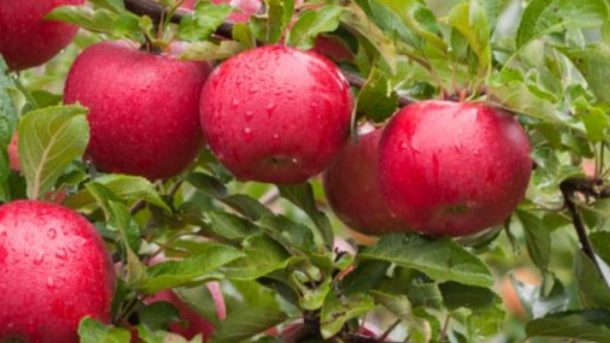
Pests can spread problems quickly over a singe tree or throughput an entire orchard of healthy apple fruit producers. There are few maintenance procedures to follow the apple trees growing season to keep disease spreading bugs. Before new leaves emerge in spring, spray the apple tree with non toxic horticultural oil that will smother the dormant insects along with their clusters of minuscule eggs.
Around early to mid-summer is a prime bug breading season and this is also the best time to control the insects with organic insecticides to stop them from mating and laying eggs on or near the budding fruit. Pests that attack apple trees and damage fruit and leaves contain the codling moth, maggot flies.
What is the climate required for Fig farming?
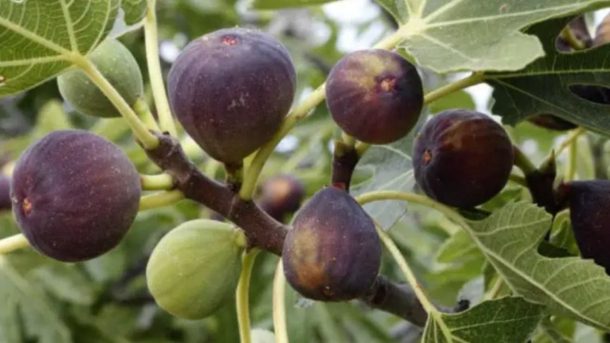
Fig being a deciduous and sub tropical fruit tree, it prefers areas having high summer temperatures, plenty of sunshine and moderate irrigation. The fig fruit quality deteriorates beyond 39°C even though the fig tree survives up to 45°C. Fig tree grows best when the temperature range is between 15 to 21°C. The shape, size, color of the skin and pulp quality are affected by climate. But quality of figs can be obtained in the regions with hot dry climates at the time of development and maturity stage of fig fruit. Low temperatures and high humidity conditions results in fruit splitting and low quality of fruit.
How do fish waste help plants to grow?
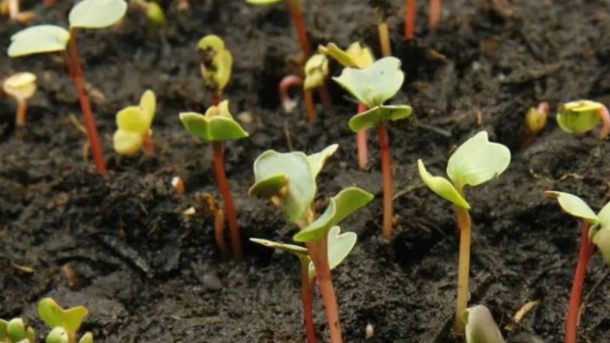
The waste from the fish in the water is collected into a tray set up for the hydroponic crops. This waste water is toxic to the fish but acts as fertilizer to the plant. A naturally occurring bacterium called the nitrifying bacteria converts the waste water into useful nutrients for the plants to absorb. When plants take up these nutrients, the water is cleaned and sent back to the fish tank.
Does Aquaponics save water?
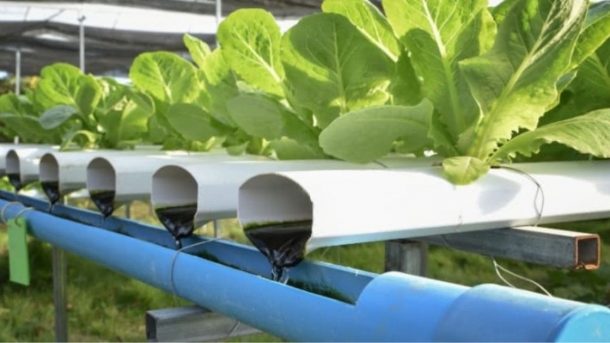
In traditional agricultural practices, the water supplied to the plants is lost either through evaporation or due to runoff and doesn’t reach the plants roots properly. Using the best drip irrigation method also cut the water requirement only one-fourth and is in no way comparable to Aquaponic systems. The Aquaponic system uses every bit of water over and over again because the n off water that is not used by the plants is recaptured, sent into the aquaculture tank where it gets nutrient rich by the fish waste and is possibly returned to the plants after detoxification. So obviously, Aquaponics saves water to a large extent and the only form of water loss in these systems could be leaking or evapotranspiration.
Why is Aquaponics so important?
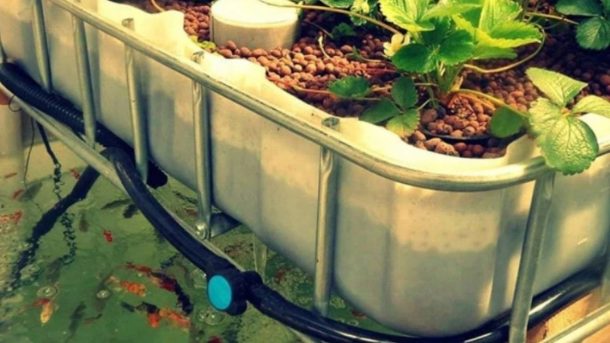
Aquaponics has become increasingly important because of the unending benefits it offer to the urban population. The major factor that makes it important is 90% less water consumption when compared to traditional farming. This system encourages the growth of the plants throughout the entire year with minimal use of chemicals solving the food security and safety possible for the present population. This system also helps people in drought struck areas to produce food which is an interesting and attractive feature.
What are the advantages of Aquaponics?
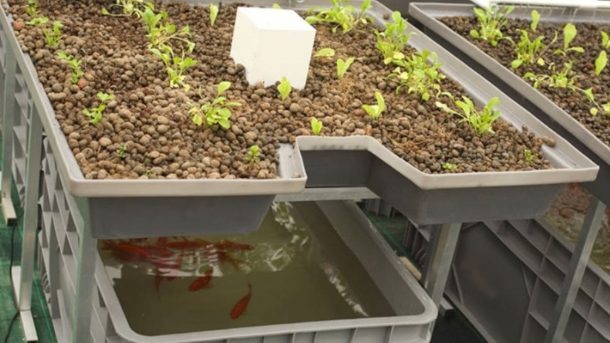
The major advantages of Aquaponics are Low water and power usage, environmentally friendly, Basic inputs to the system are fish feed and water, no use of chemical fertilizers and less use of pesticides, Easy and fast to grow plants, less occurrence of diseases, Crop produce is available all year round, Higher production, A variety of crops and fish can be grown in one system, Revenue is higher because of the fish and crop produce simultaneously, Use less land.
What is the process of Aquaponics and how does this system work?
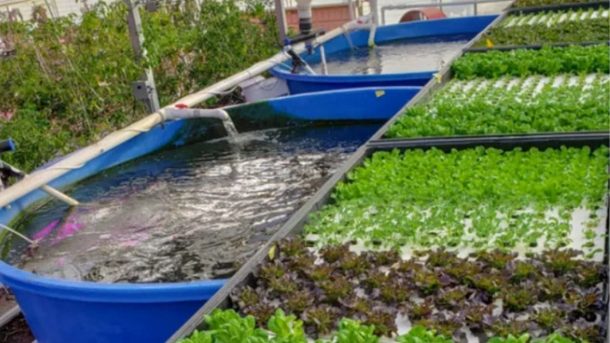
Aquaponics is an integrated system of aquaculture and hydroponics working together in harmony with each other. The process involves the utilization of fish waste as a source of nutrients for the plants and plants use up the nutrients and filter the waste naturally providing fresh water to the fish. Nitrifying bacteria present in the medium help in converting waste water into organic manure.
What is transition period?
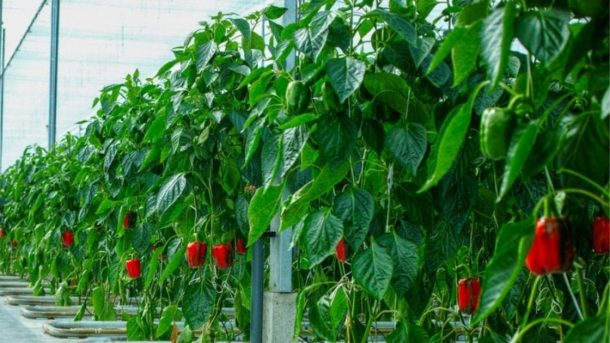
In order to obtain a certified organic product from the farm, it is important to know that the farm where the organic produce is being cultivated should follow organic practices at least 36 months before the yield or harvest. The process of adapting to this organic structure from a previous traditional structure should happen for 36 months, which is generally termed as a transition period. The operator, soil, insect and weeds all get adjusted to the new structure within this period of time.
What is National Program for Organic Production (NPOP)?
It is a national wide program that involves an accreditation program for certification bodies, norms for organic farming and promotes organic agriculture. The standards of NPOP are recognized by European and Switzerland committees, as they are similar to their standards. Also, NPOP is considered equivalent to USDA(US).