ScientificFarmingWeb

What are biofertilizers and how many types of biofertilizers are available?

biofertilizers

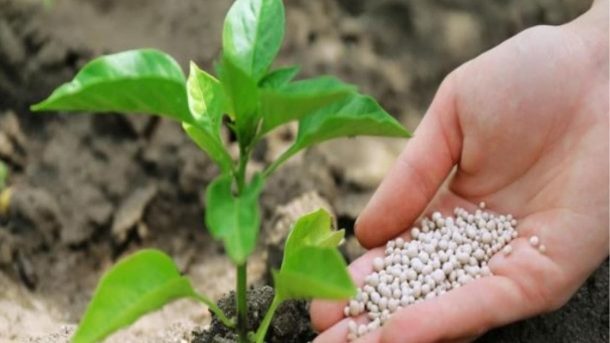
Biofertilizer is defined as the capability of a microorganism to fix the atmospheric nitrogen by planting suitable crops in the soil. These microorganisms tend to mobilize nutritive elements from a non usable form to a usable form by a biological process. There are two types of biofertilizers:

Symbiotic N-fixation (Rhizobium)

Asymbiotic N-fixation (azotobacteria, azospirillum, blue green algae, azolla and mycorrhiza).

What are the different types of Organic farming?

Organic farming

Basically, organic farming is of two types such as pure organic farming and integrated organic farming. Pure organic farming as the name suggests, involves the use of organic substances and completely avoids inorganic chemicals and pesticides. Whereas, integrated organic farming is a more sustainable form of agriculture that is dynamic in nature. Mostly used integrated pest management and integrated nutrient management practices.

What is bio-pesticides?

bio-pesticides

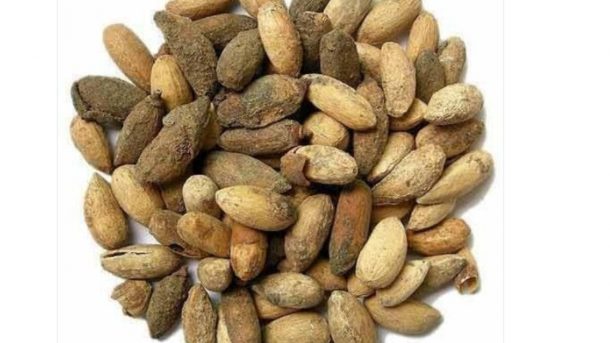
Pesticides that have been made out of natural materials from animals, plants, bacteria and other natural minerals then they are called bio-pesticides. Different forms of neem like the kernel extract, seed and leaf etc. are being used in India as pesticides for organic farms due to their effectiveness and lost cost.

Does organic farming use organic seeds?

organic seeds

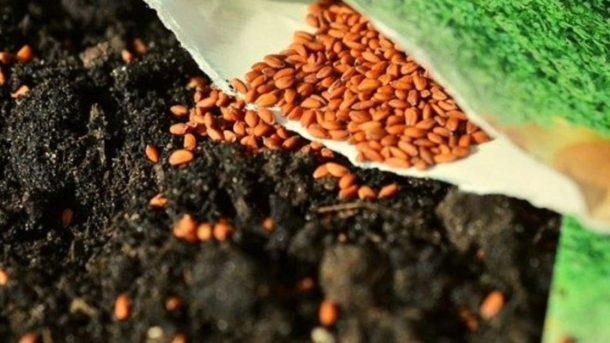
According to the specification outlined by the NOP, organic farming should be done using organically produced and handled seeds if they are available for that particular variety. The annual transplants should always be grown organically unless the secretary of Agriculture issue a notice for a temporary variance due to a natural disaster in the region. Chemically untreated seeds or seeds treated with microbial products should be used for organic farms. If organic seeds are available commercially then they can be used for farming.

How weeds can be controlled in organic farming?

organic

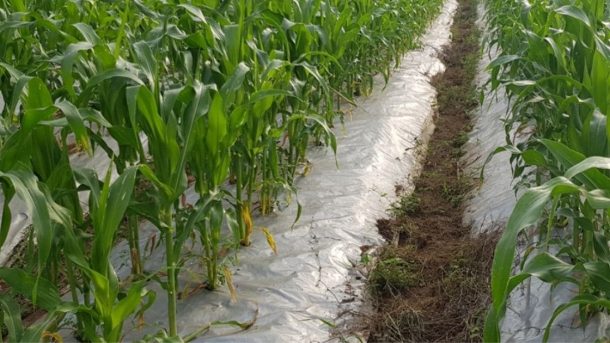
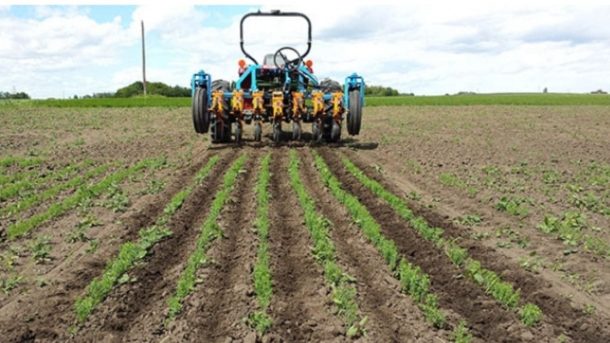
Organic farms use manual weeding, water management, tillage, mulching, crop rotation for weed suppression etc as some of the cultural ways of weed management. It is believed that weeds on the organic farm improve soil condition, provide habitat for natural enemies, helps in soil conservation etc. Mulching the soil basin with plastic material is permitted on organic farms only if they are removed at the end of the cropping season. The use of natural substances is permitted but their efficiency of the weed removal process is not yet clear.

Are there any precautionary measure followed during manure application in organic farms?

manure

Raw manure or any other animal or plant matter should be handled carefully before applying to the farm so that it doesn’t contaminate the soil, water and crop. The manure must have to be composted properly so that harvesting can be done without any restriction. It is important to note that leafy crops which remain in contact with the soil should be harvested 120 days after the application of uncomposted manure and other vegetables or crops.

How are pests and diseases controlled in organic farms?

farms

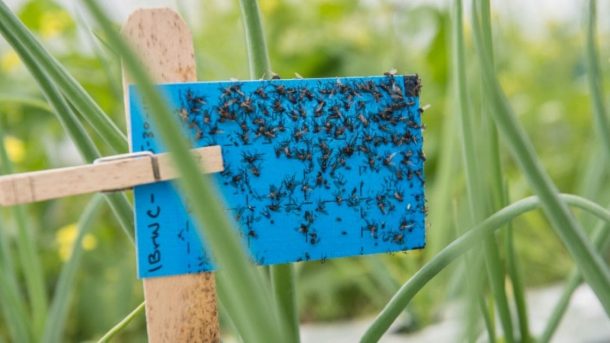
Pests in organic farms are controlled by biological and cultural practices such as crop rotation, diversification, habitat management, the release of beneficial organisms, good sanitation and timely maintenance. Substances like botanicals, non -toxic synthetic pesticides etc listed on the organic farming list of one’s own country can be used in the organic pest management schedule. Similarly, following the above cultural practices can control diseases to a certain extent. Apart from these, there is the need to use disease resistant varieties of seeds and prune the plants whenever necessary. Natural compounds like clay and non-toxic fungicides like copper sulphate are also allowed on organic farms for disease control.

How are organic farms fertilized?

farms

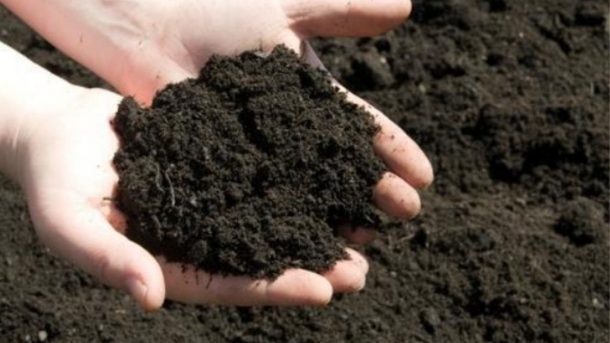
Generally, crop rotation with cover crops and compost obtained from animal and plant matter are the main nutrients for the organic farm. The soil texture, organic content and microbial activity of the farm can be improved by maintaining proper cultivation and tillage practices. There are some permitted synthetic substances, which can be used as extra supplemental nutrients for organic farms.