Advanced agriculture

What are the problems caused by inadequate access to credit and financial services for agricultural investments?

inadequate

Limited capacity for investment: Farmers’ ability to invest in their agricultural enterprises is constrained by a lack of access to finance and financial services. Farmers might find it difficult to afford basic inputs like seeds, fertilizer, equipment, and irrigation systems. They could also encounter challenges while implementing new technology, enhancing infrastructure, growing their business, or diversifying their crop production. Farmers’ ability to boost production, improve efficiency, and take advantage of market possibilities is hampered by inadequate investment capacity.

Low productivity and stagnation may result from farmers’ inability to finance the improvements they need to make to their operations. They might only be able to use outmoded farming techniques, poor-quality inputs, or inadequate machinery. This may lead to poorer agricultural yields, decreased profitability, and constrained future expansion. Farmers are hampered by inadequate financial resources.

Agriculture is intrinsically exposed to a range of risks, including those related to the weather, pests, diseases, and market volatility. Farmers are ill-equipped to deal with and recover from such shocks because they have little access to credit and financial services. They might not have the money to invest in risk reduction measures, buy crop insurance, or employ alternative techniques in trying times. Due to this sensitivity, there may be more financial strain, crop failures, and challenges with rebounding from setbacks.

Limited use of technology and innovation: Access to financing and financial services is essential for promoting the use of new agricultural technologies and innovations.

Inequality and exclusion: Small-scale and marginalized farmers frequently suffer disproportionately from inadequate access to credit and financial services because they may have insufficient collateral, poorer creditworthiness, or inadequate financial literacy. As a result, the agricultural industry becomes even more unequal as larger farmers or agribusinesses with better access to credit gain a competitive advantage and small-scale farmers struggle to get the resources they require. Rural-urban inequities are made worse and poverty is perpetuated by denying vulnerable farmers access to banking services.
How does the lack of capacity-building and training opportunities hinder farmers’ skills development?

training

Limited access to knowledge and information: Farmers who participate in capacity-building and training programs have access to important knowledge and data on a range of agricultural topics, including new farming methods, crop management techniques, pest and disease control, soil conservation, and market trends. Without these chances, farmers could not be aware of the most recent advancements and best practices in their industry, which would limit their capacity to expand their abilities and adopt more effective and sustainable agricultural practices.

Farming methods that are inefficient or outdated: In the lack of training, farmers may continue to use farming methods that are labor-intensive, inefficient, and less productive. They might not be aware of cutting-edge methods, technologies, and farming practices that can boost output, lower input costs, and improve sustainability. insufficient capacity building

Poor risk management abilities: Farming is inherently risky due to a variety of unknowns such as weather, market volatility, pests, and diseases. Through training programs, farmers can learn how to manage risks, including how to recognize them, how to mitigate them, how to use climate-smart techniques, how to diversify their crops, and how to access insurance and financial resources. Farmers’ ability to effectively manage risks and adjust to changing conditions is constrained by a lack of chances for capacity building.

Market-oriented training is frequently included in training programs, educating farmers on market trends, value chain analyses, market requirements, and post-harvest handling procedures. For farmers to make wise choices, spot lucrative market opportunities, and enhance product marketing, this knowledge is crucial.

What are the issues related to the degradation of biodiversity and loss of traditional crop varieties in agriculture?

loss

Genetic erosion: Traditional crop varieties frequently have a diverse genetic makeup, which is crucial for preserving the resilience, adaptation, and productivity of agricultural systems. There is a loss of distinctive genetic features and priceless genetic resources when traditional varieties are lost, whether as a result of being replaced with contemporary high-yielding varieties or traditional farming practices being abandoned. Agriculture becomes more susceptible to pests, illnesses, and shifting environmental circumstances as a result of this genetic erosion, which decreases the genetic variety pool available for crop improvement.

Reduced adaptability: In agriculture, biodiversity offers innate adaptability to environmental pressures including pests, diseases, drought, and climate change. Traditional crop varieties have changed over the years to accommodate certain regional requirements, such as varied climatic conditions, soil types, and pests.

Loss of cultural heritage: Local cultures and customs are frequently firmly ingrained in traditional crop varieties. They transport accumulated wisdom, legends, and customs from previous generations. Traditional crop varieties are disappearing, which reduces cultural variety and separates people from their agricultural roots. In addition to reducing traditional knowledge and practices related to crop management and consumption, this loss also has an impact on cultural identity.

Nutritional variety is lessened: Traditional crop types frequently have a wide range of nutritional qualities, such as varied flavors, colors, and nutritional profiles. The selection of diversified and nutrient-rich foods is reduced as a result of the loss of traditional types.

How does the limited availability of affordable and efficient energy sources impact agricultural operations?

energy sources

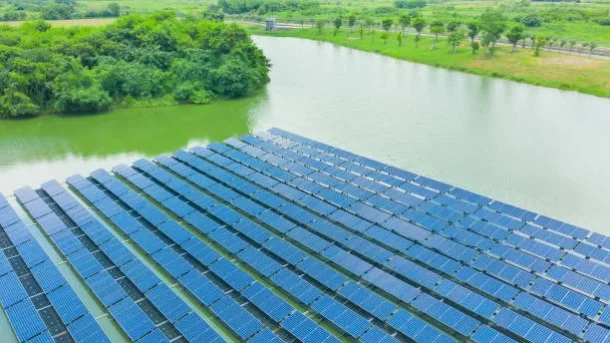
Irrigation: In locations with little rainfall or unstable water sources, irrigation is a crucial part of agriculture. Pumps and distribution systems are frequently powered by energy sources including electricity, fuel, or gasoline in irrigation systems. Farmers’ capacity to access and run irrigation systems efficiently may be hampered by the restricted supply of affordable energy source, which could result in a shortage of water and lower agricultural output.

Mechanization: Energy sources are frequently needed for the operation of agricultural machinery and equipment, such as tractors, harvesters, and threshers. Farmers may find it difficult to purchase or use machinery due to a lack of affordable energy, which increases their reliance on labor that can be physically taxing, time-consuming, and inefficient.

Energy sources are necessary for processes like processing, drying, and storing agricultural products after harvest. The operation of machinery, refrigeration systems, and ventilation all require energy in processing facilities like mills or cold storage facilities. Farmers may be unable to effectively process and store their food due to inadequate access to inexpensive electricity, which can lead to post-harvest losses and decreased marketability of their goods.

Energy is required for value-added agricultural processes such food processing, packaging, and preservation. The formation and effective operation of the food processing industries can be hampered by a lack of readily accessible, reasonably priced energy sources, which limits farmers’ potential to add value to their products and access higher-value markets.

What are the challenges faced by farmers in adapting to technological advancements and digital transformation?

technological

Access to technology: Many farmers, especially those in rural and isolated places, might not have easy access to the essential technological infrastructure, such as dependable electricity and internet connectivity. Their capacity to take advantage of digital tools and platforms is hindered by a lack of technological access, which reduces their ability to participate in agriculture’s digital transformation.

Technology affordability: Farmers may find it difficult to embrace and use new technologies because of the high costs involved, particularly for small-scale farmers who have limited financial means. It might be challenging for farmers to adopt cutting-edge technology due to the initial investment needed to buy hardware, software, sensors, and other technological equipment.

Technical know-how and abilities: Farmers frequently need to pick up new technical know-how and abilities in order to adapt to technological improvements. It’s possible that farmers require training to learn how to use digital tools, assess data, and base decisions on that knowledge. Farmers’ capacity to utilize and profit from technology improvements may be hampered by a lack of technical expertise.

The use of digital technologies in agriculture generates a substantial amount of data about crop yields, weather patterns, soil conditions, and more. This raises issues with data management and privacy. Farmers may experience difficulties comprehending and managing massive amounts of data, as well as protecting the privacy and security of that data. They might need assistance with data management procedures and guarantees that their private data will be protected.

How does the absence of supportive policies and incentives hinder the adoption of sustainable farming practices?

policies

High expenses and financial risks: Investing in infrastructure, tools, and training up front is frequently necessary for sustainable farming techniques. Farmers may have financial obstacles in implementing these methods in the absence of supportive policies and incentives. Particularly for small-scale farms with limited resources, the absence of accessible inexpensive loans or financial support can deter farmers from making the essential investments.

Lack of technical expertise: Adopting sustainable farming methods frequently calls for technical expertise and training. Without enabling policies, farmers may only have limited access to consulting services, extension services, and training programs. Farmers may not be aware of the advantages or lack the skills necessary to adopt sustainable practices efficiently due to this lack of information and assistance, which can make it difficult for them to grasp and put them into practice.

Uncertain market opportunities: Adapting crop selection, production techniques, or certification procedures may be necessary for sustainable farming practices. Farmers may be unsure of the market demand for sustainably produced commodities or the economic sustainability of switching to sustainable methods in the absence of supportive regulations and market incentives. Farmers may be deterred from making the necessary adjustments by this uncertainty because they may worry about having limited market access or receiving low returns on their investments.

Limited availability of inputs and resources: In order to undertake sustainable farming, it is frequently necessary to have access to particular inputs and resources, such as organic fertilizers, biological pest control techniques, or better seeds. These resources might be more difficult for farmers to get or more expensive in the absence of supportive policies.

What are the problems caused by the lack of diversification and reliance on a few staple crops in agriculture?

crops

Vulnerability to pests and diseases: When a sizable amount of agricultural land is set aside for a small number of staple crops, it fosters an environment that is conducive to the proliferation and flourishing of pests and diseases. Systems with monocultures lack the natural biodiversity needed to control illnesses and pests. A single outbreak of a pest or disease can result in considerable crop losses across a large area, endangering both food security and way of life.

Degradation of the soil: Growing the same crop continuously without rotation or variety can deplete the nutrients in the soil, lower its fertility, and raise the possibility of erosion. The nutrient needs of and interactions with the soil ecology of various crops differ. Lack of diversification deprives the soil of the advantages brought forth by complementary nutrient cycling and crop rotation.

A greater reliance on outside resources: Monoculture systems frequently depend extensively on outside inputs like petrochemical fertilizers and insecticides. This reliance on agrochemicals may have detrimental effects on the environment, such as soil degradation, water body contamination, and harm to beneficial creatures. The high cost of inputs can also make farming for small-scale farmers less economically viable and increase their reliance on outside suppliers.

Farmers that concentrate on a small number of staple crops are more vulnerable to market fluctuations in the prices and availability of those products. The incomes and way of life of farmers can be significantly impacted by changes in market prices. Additionally, farmers can have trouble locating alternate markets or modifying their production if there is an excess of a crop or a fall in demand for it.

How does the lack of access to information and digital technologies hinder farmers’ decision-making processes?

access to information

Limited understanding of best practices: Farmers must have access to information to stay current on new agricultural methods, best practices, and market trends. Farmers might not be aware of new technologies, improved farming practices, or efficient pest management techniques if they lack access to information. They may be unable to embrace strategies that could increase their production and profitability due to their lack of information, which may prohibit them from making wise judgments.

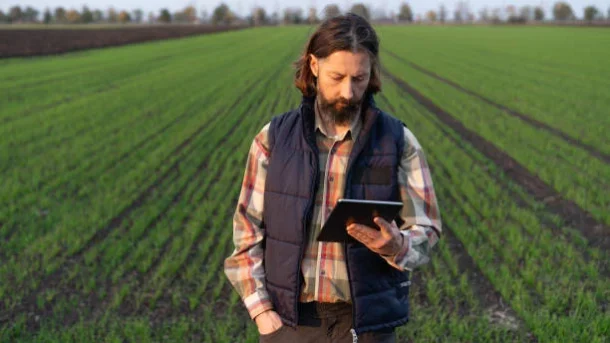
Ineffective resource management: Digital technologies, such as sensors and tools for precision agriculture, can offer real-time information on crop health, weather patterns, and soil conditions. Farmers are able to make better informed decisions about irrigation, fertilizer, and pest management thanks to this knowledge.

Limited market information: Farmers must have access to market data in order to choose the best crops, set fair prices, and time harvests. Real-time market prices, demand predictions, and data on customer preferences can all be found on digital platforms and mobile applications. However, without access to these tools, farmers might find it difficult to comprehend market dynamics, bargain for reasonable prices, and locate possible consumers for their produce.

Reduced access to financial services: Thanks to the transformation brought about by digital technologies, farmers now have access to credit, insurance, and other financial products. Digital platforms and mobile banking make financial transactions easier to complete, increase loan availability, and lower the risks involved with agriculture. Farmers may find it difficult to obtain formal financial services without access to these technology, which would limit their capacity to invest in better inputs.

What are the issues related to food sovereignty and the dominance of large corporations in the agricultural sector?

food

Loss of control: When big businesses rule the agriculture industry, they have a huge influence on many facets of the food chain. Inputs used in agriculture, processing facilities, distribution systems, and retail establishments are all included in this regulation. Because of this, farmers and customers have little influence over decision-making, which may limit their capacity to regulate what is produced, how it is produced, and how much food is sold for.

Concentration of power: The agricultural industry has become dominated by a small number of powerful firms. A power imbalance between corporations and consumers as well as between corporations and farmers may come from this concentration. It may result in unjust pricing, exploitational business methods, and a lack of options.

Loss of biodiversity: Big businesses frequently support monoculture agricultural methods, in which a few number of high-yielding crop varieties are grown extensively. As traditional and locally adapted crop types are replaced by genetically uniform hybrids or genetically modified organisms (GMOs), this emphasis on uniformity and high production could result in a loss of biodiversity. Because of the reduction in biodiversity, agricultural systems are less resilient and farmers and customers have fewer options.

Dependence on outside inputs: Major agricultural businesses frequently encourage the use of their exclusive seeds, chemical fertilizers, pesticides, and other inputs. As a result, farmers may become dependent on these businesses for their farming operations and become dependent on outside inputs and technologies.

How does the limited availability of land and competition for resources affect agricultural expansion?

agricultural

Land scarcity: As the world’s population rises, there is a finite amount of land that can be used for agriculture. The amount of land that is accessible for farming generally decreases as a result of urbanization, industrialization, and infrastructural development that frequently encroach on agricultural land. The lack of available land makes it difficult to increase agricultural production and satisfy the rising food demand.

Land degradation and intensification: To optimize output from scarce land resources, farmers may turn to increasing agricultural practices in response to a lack of available farmland. This may entail using more fertilizers, herbicides, and machinery. However, if intensive farming methods are not managed responsibly, they can result in soil erosion, land degradation, and loss of soil fertility, further reducing the potential for development.

Water scarcity: Another barrier to agricultural expansion is competition for limited water supplies. The supply of irrigation water for agriculture is decreased by water shortage, which is made worse by climate change and rising water demands from other industries. Crop growth, yields, and the expansion of farming operations can all be hampered by a lack of water supplies.

Access to inputs: The spread of agriculture may be hampered by a lack of resources like seeds, fertilizer, and pesticides. Prices for these inputs may increase due to high demand and fierce competition, making them less accessible and affordable, especially for small-scale farmers. The expansion of agricultural activity is restricted by the lack of access to necessary inputs, which also affects output.