Cropping patterns

What is the role of genetic markers in crop breeding programs?

genetic markers

The identification and mapping of the genomic areas linked to specific features of interest, such as disease resistance, yield potential, quality characteristics, or tolerance to environmental challenges, are made possible by the use of genetic markers. Breeders can determine the genetic origin and location of desired features by linking the presence or absence of markers with the expression of these qualities.

Genetic markers allow breeders to more effectively pick plants with desirable features, a process known as marker-assisted selection (MAS). Breeders can locate and choose plants that exhibit specific qualities at an early stage of plant development, such as in seedlings or even before phenotypic expression, by employing markers associated to those features. This shortens the time needed for trait selection and speeds up the breeding process.

Genomic Selection: Genetic markers are used in genomic selection to concurrently forecast how well plants will perform across a variety of attributes. Statistical models can be used to calculate the genetic potential of plants for various qualities by genotyping individuals at marker loci throughout the genome. Breeders can make predictions earlier in the breeding process thanks to genomic selection, which results in a more precise and effective selection of superior individuals.

Marker-Assisted Backcrossing (MAB): Marker-assisted backcrossing is a method that makes it easier to pass a particular characteristic from one parent (donor) to another parent (recurrent) while preserving the recurrent parent’s genetic make-up. During backcrossing, genetic markers assist in locating and identifying the progeny that exhibit the desired trait from the donor parent. This quickens the emergence of desired
What are the advancements in agricultural robotics for crop harvesting?

crop harvesting

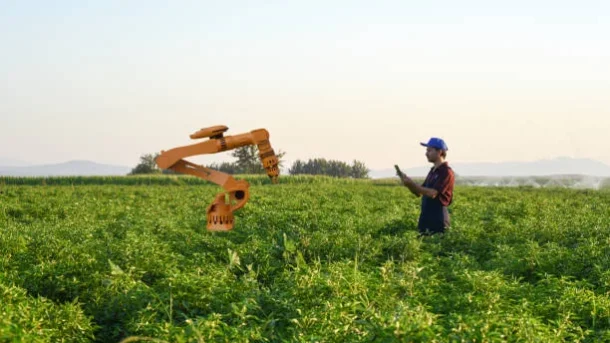
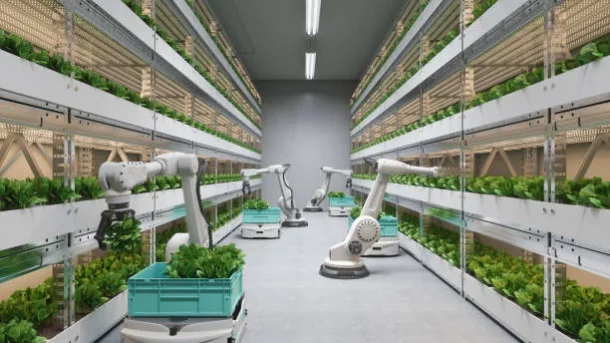
Autonomous Harvesting Robots: To crop harvesting, autonomous robots with robotic arms, computer vision, and machine learning are being developed. These robots are capable of precision field navigation, crop maturity detection, and harvesting operations. They can precisely and dexterously pick fruits, vegetables, or nuts, which decreases the requirement for physical labour and boosts harvesting effectiveness.

Advanced vision systems and sensing technologies are built into harvesting robots to identify and score crop maturity and quality. These tools include cameras, LiDAR sensors, near-infrared spectroscopy, and hyperspectral imaging. They make it possible for crop attributes like colour, size, ripeness, and flaws to be analysed by robots, guaranteeing selective and effective harvesting.

Grippers and Soft Robotics: Soft robotics is a new field that focuses on creating adaptable and flexible robotic systems. Robots can handle fragile or oddly shaped crops without harm thanks to soft robotic grippers that replicate the delicacy and compliance of human hands. Based on the crop being harvested, these grippers, which are made of materials like silicone or elastomers, may change their form and grip intensity.

Swarm robotics: Swarm robotics entails the coordination of numerous little robots cooperating to carry out difficult tasks. Swarm robots can divide the task among several units during harvesting, enabling simultaneous harvesting in various fields. Swarm robotics increases productivity and decreases harvesting operation time.

How is data integration improving farm productivity and decision making?

integration

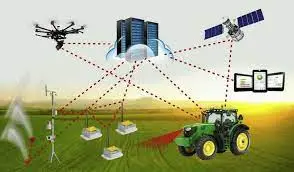
integration data from several sources, including weather stations, soil sensors, crop monitoring systems, machinery sensors, and historical records, enables farmers to do comprehensive data analysis. Farmers can make wise choices about planting, irrigation, fertilisation, and pest control by combining and analysing this data in order to acquire a thorough picture of the circumstances on their farm. Comprehensive data analysis aids in maximising yield potential, minimising waste, and optimising resource allocation.


Data integration offers real-time monitoring of agricultural operations as well as alerts. Farmers can get immediate warnings and messages about crucial aspects like soil moisture, weather, pest infestations, and equipment faults by integrating data from sensors and monitoring systems. This makes it possible to act quickly, reducing yield losses and raising operational effectiveness.


Supply Chain Optimisation: Data integration incorporates information from a wider range of sources than just the farm level. Farmers can acquire insights into market demands, pricing patterns, and logistical factors by combining data from suppliers, distributors, and marketplaces. With better planning, better inventory control, and better stakeholder coordination made possible by this information, the supply chain is eventually optimised, resulting in effective product distribution.


Decision Support Systems: The cornerstone of agricultural decision support systems is data integration. These systems employ cutting-edge algorithms and models to analyse combined data and produce predictions or recommendations. Decision support systems help farmers make data-driven decisions by offering insights and recommendations on the best crop kinds, planting dates, irrigation schedules, and pest control tactics.

How are autonomous robots being used for harvesting crops?

robots being

Sustainability along the Value Chain in Agriculture: Biodegradable packaging is consistent with the concept of sustainability, with robots being essential in the agricultural value chain. Sustainable packaging helps agricultural goods’ overall environmental impact be reduced from production to consumption. It enhances resource conservation efforts, appropriate waste management, and sustainable agricultural methods, making the agriculture sector more robust and sustainable.

It’s crucial to remember that the development of composting infrastructure and adequate disposal methods are prerequisites for the effective use of biodegradable packaging. For the management and processing of biodegradable packaging waste to be successful, cooperation between stakeholders, such as packaging producers, waste management facilities, and policymakers, is essential.

Increased Productivity and Efficiency: Autonomous harvesting robots being able to work constantly without becoming tired, resulting in higher productivity and efficiency. They can work both during the day and at night, in different sorts of weather, and with diverse crop varieties. Autonomous robots can greatly speed up the harvesting process by eliminating the reliance on physical labour, enabling farmers to harvest crops at the ideal moment and maximise output.

Mitigation of Labour Shortages: The agriculture industry frequently struggles with issues connected to a lack of labour and growing labour prices. A potential solution is provided by autonomous harvesting robots that lessen the need for human labour. Even in areas with a restricted personnel availability, farmers can overcome the problem of timely crop harvesting. This can assist in addressing production issues and promoting agricultural sustainability.

How is nanotechnology being applied in agriculture?

nanotechnology

Nanotechnology is utilised to create formulations of insecticides and fertilisers that are applied at the nanoscale. Nanopesticides deliver active substances with precision, increasing their efficacy and minimising their negative effects on the environment. Nanofertilizers are used to fertilise plants more effectively, reducing nutrient loss and enhancing nutrient uptake. These nanoscale compositions can improve fertiliser management and crop protection while using fewer pesticides overall.

Controlled-Release Systems: The creation of controlled-release systems for the delivery of fertilisers, insecticides, and other agricultural inputs is made possible by nanotechnology. To ensure a prolonged and regulated release of active compounds, substances can be constructed into nanocarriers or nanocapsules that release them gradually over time. Because of the more accurate application and decreased treatment frequency made possible by this technique, resources are used more effectively, and environmental pollution is decreased.

Crop Enhancement: Nanotechnology is used to enhance the performance and improve the properties of crops. To improve seed germination, root growth, and overall plant growth, nanomaterials can be added to plant growth regulators or seed treatments, such as nanoparticles or nanoclays. Additionally, by enhancing the bioactivity and bioavailability of bioactive substances, these nanomaterials can support plant health and stress resistance.

Nanosensors are used in agriculture to monitor a number of characteristics, such as soil moisture, nutrient levels, pH, and pest infestations. These sensors offer real-time information on the state of the environment and the health of the plants, enabling accurate monitoring and decision-making. IoT devices that use nanosensors can remotely monitor and manage agricultural operations using data.

How are autonomous vehicles being used in farming?

autonomous

Field activities: For field activities like plough, till, plant, seed, spray and harvest, autonomous tractors and equipment are used. These cars have computer vision systems, sensors, and GPS technology, allowing them to function independently in the field. They are able to complete activities precisely and effectively, navigate around obstacles, and follow predetermined courses. Autonomous field operations enable round-the-clock farming, minimise the need for labour, and increase precision.

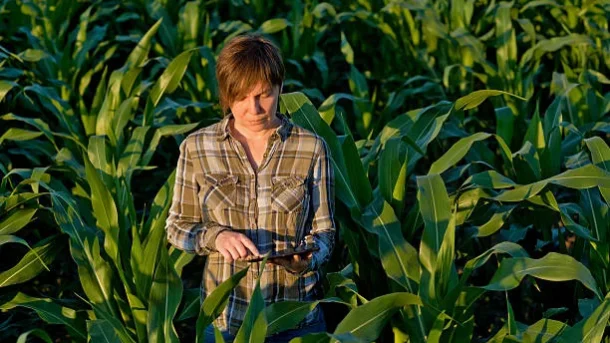
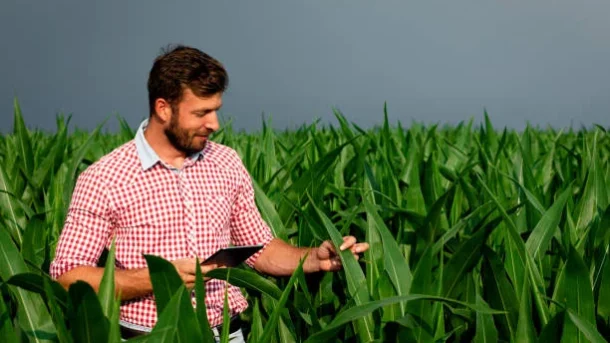
Crop monitoring and imaging: Unmanned aerial vehicles (UAVs) or drones are used to photograph and monitor crops from the air. They take high-resolution pictures and gather information on the health of the crop, its growth patterns, and any pest infestations. Farmers can take targeted action by using these photos and data to find fields with stress or unpredictability.

Farmers may gain the ability to more accurately spread fertilizer and herbicides, or apply what is necessary only to the crops that need it most, rather than all of them. Using a combination of GPS, sensors, and imaging, they would presumably have a better handle on how to deploy the robotic vehicles tilling the land.

How can I increase crop yield and quality?

crop yield

Agricultural productivity depends on the quality of seeds with which farmers sow their fields. Therefore, in order to increase crop yield on their farmlands, agrarians are recommended to sow only certified seeds that have passed all the necessary quality controls.

Certified seeds may cost higher than those that do not have certification, but the result will be worth it, because the proper quality of seeds is one of the main factors that affect crop yield. Besides that, planting only high-quality seeds represents one of the eco friendly methods to increase crop yield. If needed, a farmer can check the quality of particular seeds by referring to a relevant seed company and requesting it to conduct special trials on a given land plot.


The seed multiplication ratio is the ratio between the investment in seed versus the yield. For example, if three grains are harvested for each grain seeded, the resulting multiplication ratio is 1:3, which is considered by some agronomists as the minimum required to sustain human life. One of the three seeds must be set aside for the next planting season, the remaining two either consumed by the grower, or for livestock feed.

What is the Strip Cropping System?

Strip Cropping System

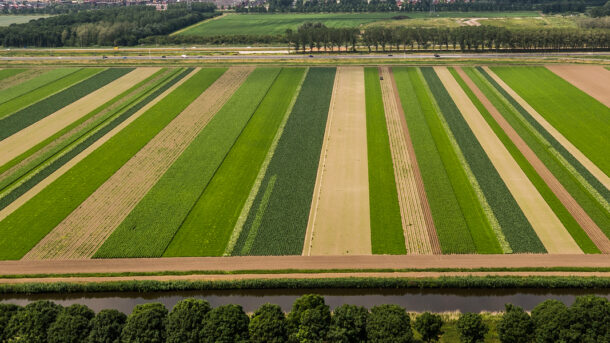
Strip Cropping System is a conservation agriculture technique in which crops are grown in parallel strips, alternating between strips of crops and strips of soil that are left unplanted or covered with cover crops.

The purpose of strip cropping is to reduce soil erosion by slowing down wind and water flow, promoting soil health, and improving crop yields. It can also be used to manage pests and weeds by creating physical barriers that limit their spread. 

Strip Cropping System is often used in combination with other conservation techniques such as contour plowing and the use of cover crops. The choice of crops for strip cropping depends on various factors such as soil type, local climate, and market demand. For example, strip cropping of row crops, such as corn, soybeans, cotton, or sugar beets.

What is the Relay Cropping System?

Relay Cropping System

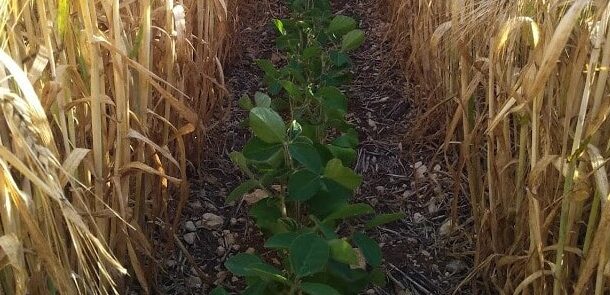
The relay cropping system is an agricultural method in which two or more crops are grown in sequence in the same field during a growing season, with one crop being sown immediately after the previous crop has been harvested.

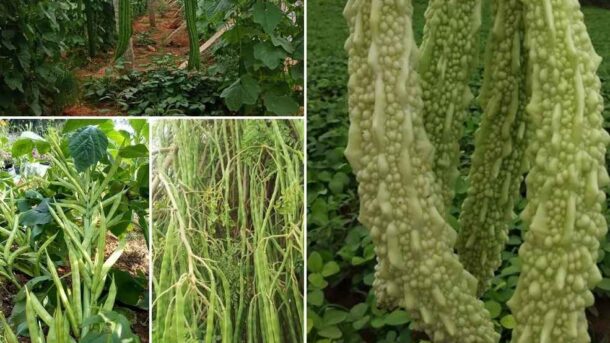
The objective of this method is to increase the utilization of land and resources, as well as to improve soil health by reducing soil erosion and preserving soil moisture. The choice of crops in a relay cropping system depends on various factors such as soil type, local climate, and market demand.Rice –cauliflower – onion-summer gourd is one example of relay cropping.

which are the Best crops for winter season to plant in india?

winter

Some popular winter crops in India include mustard, radish, carrot, turnip, cauliflower, broccoli, cabbage, and spinach. These crops are well-suited for the cooler temperatures and shorter days of winter, and can be planted in most regions of the country during this time. Additionally, some regions of India have specific winter crops that are well-suited to the local climate and soil conditions, such as rabi crops in the northern and western regions.