farming practices

How does the limited access to land and resources for women farmers contribute to gender disparities in agriculture?

women farmers

Knowledge and awareness gaps: Farmers may be unaware of sustainable water management measures, such as effective irrigation methods, water-saving techniques, and crop water requirements. Women farmers’ capacity to make intelligent judgments and successfully implement sustainable water management methods might be hampered by a lack of information and technical expertise.

Financial limitations: Investing upfront in infrastructure, technology, and training is frequently necessary to adopt sustainable water management practices. However, many farmers, particularly smallholders, struggle with money problems and do not have access to finance that is cheap or financial assistance to make these investments. Farmers may be unable to use sustainable water management techniques due to a lack of funding.

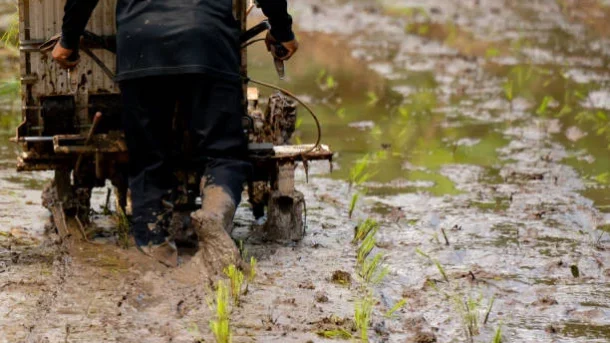
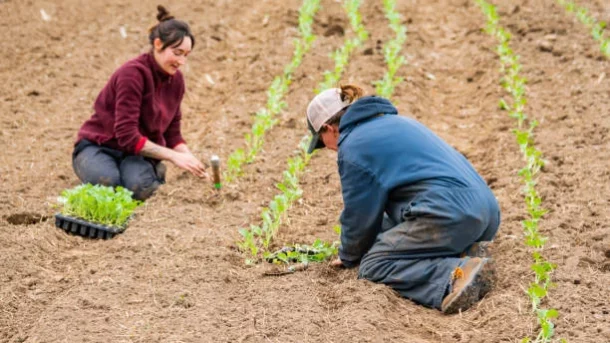
Women frequently have less control over resources like water, seeds, and fertilizers since they often have less access to land. Their capacity to decide on crop selection, resource allocation, and farming techniques is impacted by this. Their capacity to embrace sustainable and cutting-edge approaches is constrained by their restricted ability to make decisions, which reduces their agency in agricultural production.

Differences in productivity and income: As a result of the aforementioned limitations, women farmers frequently experience lower production and income levels than their male counterparts. They might not have as much access to training opportunities, extension services, or better agricultural inputs. This causes lower yields and lessens their economic independence, which exacerbates the income and well-being gaps between men and women.
How does the lack of capacity-building and training opportunities hinder farmers’ skills development?

training

Limited access to knowledge and information: Farmers who participate in capacity-building and training programs have access to important knowledge and data on a range of agricultural topics, including new farming methods, crop management techniques, pest and disease control, soil conservation, and market trends. Without these chances, farmers could not be aware of the most recent advancements and best practices in their industry, which would limit their capacity to expand their abilities and adopt more effective and sustainable agricultural practices.

Farming methods that are inefficient or outdated: In the lack of training, farmers may continue to use farming methods that are labor-intensive, inefficient, and less productive. They might not be aware of cutting-edge methods, technologies, and farming practices that can boost output, lower input costs, and improve sustainability. insufficient capacity building

Poor risk management abilities: Farming is inherently risky due to a variety of unknowns such as weather, market volatility, pests, and diseases. Through training programs, farmers can learn how to manage risks, including how to recognize them, how to mitigate them, how to use climate-smart techniques, how to diversify their crops, and how to access insurance and financial resources. Farmers’ ability to effectively manage risks and adjust to changing conditions is constrained by a lack of chances for capacity building.

Market-oriented training is frequently included in training programs, educating farmers on market trends, value chain analyses, market requirements, and post-harvest handling procedures. For farmers to make wise choices, spot lucrative market opportunities, and enhance product marketing, this knowledge is crucial.

What are the issues related to gender inequality and women’s empowerment in the agriculture sector?

women

Access to resources is restricted for women frequently, including to land, loans, inputs, and technologies. Women’s access to land ownership and control can be limited by discriminatory societal norms and legislative restrictions, which makes it harder for them to finance and profit from agricultural endeavors. Women’s ability to grow their agricultural businesses or embrace contemporary farming methods is further hampered by their limited access to credit and financial services.

Unfair participation and decision-making: Women frequently have little voice in policy, community, and farm decision-making. Women are restricted by conventional gender roles and stereotypes to performing mostly unpaid domestic and caregiving duties, while men predominate in making decisions about farming, marketing, and resource allocation. Women’s views and perspectives are being marginalized, which reduces their influence on agricultural policies.

Unfair access to education and training: Women frequently have lower levels of education and training than men, especially in rural areas. This restricts their access to technical education, contemporary farming methods expertise, and agricultural extension services. As a result, women may rely on conventional farming practices that are less productive, which lowers production and decreases resilience to problems like climate change.

Unpaid and undervalued labor: Women’s contributions to agriculture, such as their unpaid domestic and agricultural work, are sometimes overlooked and underappreciated. Women perform a variety of responsibilities in agriculture, including planting, weeding, harvesting, and post-harvest work, yet their work is sometimes overlooked in official statistics and in agricultural policies and initiatives. This lack of visibility strengthens the undervaluation of women’s contributions and gender inequality.

How does the lack of infrastructure for rural electrification hinder technological advancements in agriculture?

electrification

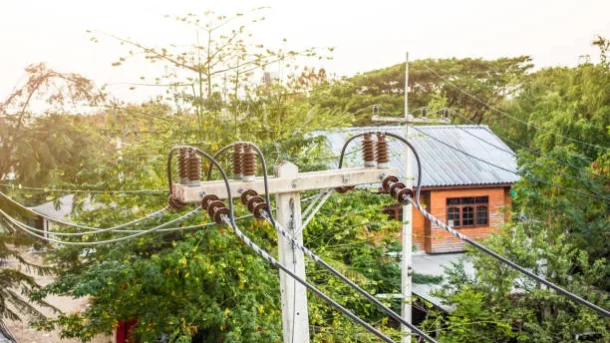
Limited access to power-driven agricultural machinery and equipment: Tractors, irrigation systems, threshers, and grain mills all require electricity to operate. Farmers sometimes rely on manual labor or out-of-date, ineffective tools and equipment in rural areas without electrification. Their capacity to embrace cutting-edge technologies that can considerably increase productivity, efficiency, and profitability in agriculture is limited by the lack of electricity.

Limitations on irrigation systems: In order to operate irrigation systems, including pumps and water distribution networks, electricity is required. Farmers may encounter difficulties getting access to dependable and reasonably priced power for their irrigation needs in areas lacking rural electrification. This may make it more difficult for them to effectively irrigate crops, which could lead to a shortage of water, lower crop yields, and increased vulnerability to droughts.

Post-harvest losses in agriculture can be substantial, and it’s important to utilize the right handling, storage, and processing methods to reduce these losses. But a lot of post-harvest innovations, such cold storage facilities, machinery for processing, and drying systems, need electricity to work properly. Without rural electricity, farmers might not have the infrastructure to implement these technologies, which would result in higher post-harvest losses and lower-quality agricultural output.

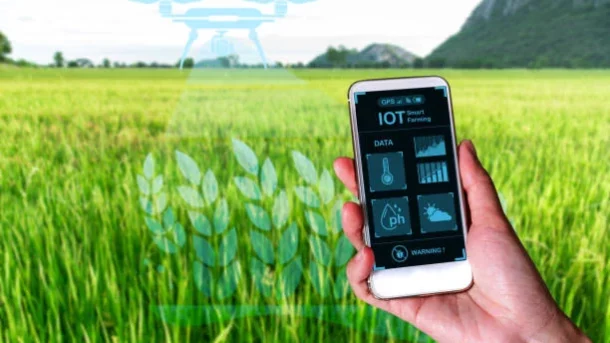
Information and communication technologies (ICT) have limited access because they require electricity in order to be accessed and used in agriculture. ICT resources, like computers, internet access, and mobile applications, can give farmers useful knowledge about weather forecasts, market prices, pest control, and farming practices.

What are the major challenges faced by small-scale farmers in the agriculture sector?

small-scale farmers

Limited Access: Small-scale farmers frequently lack access to crucial resources including land, water, and money. They are unable to expand their farming operations or make investments in cutting-edge agricultural products and technologies because they lack access to loans and secure land tenure.

Climate Change and Environmental Risks: Small-scale farmers are especially susceptible to the effects of climate change, which might include unexpected weather patterns, droughts, floods, and outbreaks of pests and diseases. Crop failure, animal losses, and decreased agricultural production can result from these environmental threats.

Lack of Technological Advancements: Access to cutting-edge agricultural technologies, machinery, and equipment is frequently limited for small-scale farmer. Their inability to embrace innovative approaches is hampered by a lack of information and training on better farming practices, which lowers their production and competitiveness.

Market Access and Price Volatility: Small-scale farmers frequently encounter difficulties finding dependable markets and promoting their products. They are more vulnerable to pricing volatility, unfair trading practices, and market swings due to their weaker negotiating position and lack of market knowledge, which lowers their revenues and profitability.

What are the recent developments in urban-rural linkages and food system integration?

recent

Local Food Production and Urban Agriculture: In recent years, urban agriculture has grown significantly. Urban farming efforts, such rooftop gardens, community gardens, and vertical farming, reduce transit distances and support local food supply by bringing food production closer to urban areas. These programs improve food security, give urban residents access to fresh produce, and support the circular economy by composting urban organic waste.

Direct marketing and short food supply chains have grown in popularity. Examples include farmers’ markets, farm-to-table programs, and community-supported agriculture (CSA). Urban consumers can acquire fresh, locally produced food through these direct marketing channels while also assisting small-scale farmers in rural areas. They promote openness, develop trust, and present business prospects.

Urban-Rural Partnerships and Cooperation: To increase the connections between these areas, collaboration between urban and rural stakeholders is being encouraged. Partnerships between urban and rural areas seek to promote innovation, knowledge sharing, and group decision-making in order to improve the integration of the food system. Participants in these partnerships come from a range of industries, including the government, universities, farmers, agribusinesses, and civil society groups.

How are governments and organizations supporting climate-smart agriculture initiatives?

climate-smart

Support for Policy: Governments are creating and putting into effect policies that support climate-smart agriculture. For farmers who embrace sustainable methods, these policies may include financial incentives, subsidies, and tax exemptions. Regulations to promote sustainable land management and cut back on greenhouse gas emissions from agriculture may also be included.

Finance and Investment: To promote the adoption of climate-smart agricultural practices, governments and organizations offer financial assistance through grants, loans, and investment funds. The implementation of sustainable farming methods, capacity building, infrastructure enhancement, and research and development are all possible uses for these funding.

Research and Development (R&D): To improve climate-smart farming practices, governments and organizations invest in R&D. This involves supporting academic research, creative initiatives, and technical advancements that aim to increase agricultural productivity while reducing environmental effect. Additionally, research and development projects can focus on creating irrigation systems that are effective and sustainable farming practices.

Knowledge Sharing and Capacity Building: To promote climate-smart agriculture, governments and organizations enable knowledge sharing among farmers, researchers, and extension agencies. To spread knowledge about sustainable agricultural methods, conservation measures, and climate adaption tactics, this involves setting up workshops, training programs, and demonstration farms.

How is the agriculture sector addressing the issue of food deserts and food access?

food deserts

The agriculture industry is working with a number of stakeholders to solve the problem of food deserts and enhance food access in underserved communities. Here are some strategies that are being used:

Urban farming and community gardens: In order to boost local food production, community gardens and urban farming programmes are being built in food deserts and urban areas. These programmes enable localities to generate their own fresh produce, increasing access to wholesome food.

Mobile markets and food trucks: These food providers deliver wholesome meal alternatives and fresh vegetables to neglected neighborhoods. These programmes close the gap by making it simple to get hold of cheap, wholesome meals.

Farmers’ markets and community supported agriculture (CSA) programmes allow consumers to interact directly with local farmers. These programmes increase the accessibility of fresh, locally farmed produce, frequently at reasonable rates, by establishing direct market channels.

Nonprofit Organizations and Food Banks: By supplying emergency food aid and putting long-term policies into place, nonprofit organizations and food banks play a critical role in alleviating food deserts. To distribute extra food and encourage healthy eating, they frequently work with farmers and distributors.

How are governments and organizations promoting sustainable agriculture in developing countries?

governments and organizations

In order to encourage sustainable agriculture in emerging nations, governments and organizations are essential. They are assisting in this endeavor in the following notable ways:

Support for Policy: Governments are developing laws and rules to promote sustainable agricultural practices. Incentives for the adoption of sustainable farming practices, including organic farming, agroecology, and conservation agriculture, are part of this. Through rules and regulations, governments also support the preservation and sustainable use of natural resources like biodiversity, water, and land.

Governments and organizations provide agricultural extension workers and farmers with training programmes and capacity-building initiatives. These courses impart knowledge and abilities on sustainable farming methods, such as agroforestry, integrated pest management, water management, and soil conservation. By increasing their technical ability,

For farmers to invest in sustainable agriculture, they must have access to financing and credit. Governments and organizations assist small-scale farmers in gaining access to affordable credit and financial services, such as agricultural loans and microcredit. They also encourage the creation of agricultural funds and guarantee programmes that offer funding and risk-reduction for projects promoting sustainable agriculture.

What are the recent advancements in hydroponics and vertical farming technologies?

hydroponics

In recent years, hydroponics and vertical farming technologies have advanced quickly, revolutionizing the way plants are cultivated and opening up new opportunities for urban agriculture and agriculture in controlled environments. The following are some recent developments in these fields:

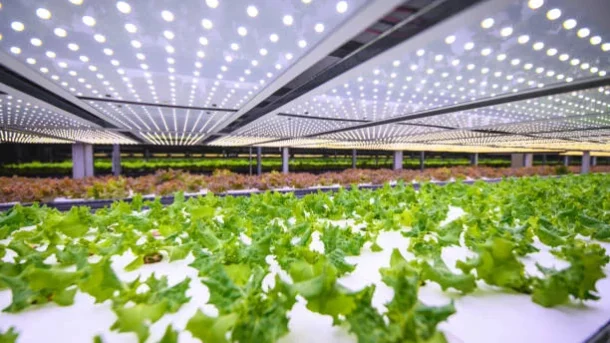
Growing plants in vertically stacked layers or structures, frequently indoors or in urban settings, is known as vertical farming. The following are developments in vertical farming:

a. Energy-saving LED lighting solutions have significantly increased the productivity and efficiency of vertical farms. Better yields and faster growth rates can be achieved using LED lights because they can be customized to deliver certain light spectra that are optimized for plant growth.

b. Automation and Robotics: Automated systems are utilized to track and manage a variety of vertical farm-related variables, such as temperature, humidity, and nutrient levels.

Hydroponics Innovations: Growing plants in nutrient-rich water solutions is a soil-free farming technique called hydroponics. Hydroponics has recently made the following strides:

a. Specialized nutrient formulations for various crops have been created as a result of a better understanding of the nutritional needs of plants. These compositions guarantee optimum plant development and nutrient availability, resulting in increased agricultural yields and enhanced crop quality.

b. Alternative Substrates: The roots of plants are supported by inert substrates such as perlite, rockwool, or coconut coir in conventional hydroponic systems. Alternatives like biochar, clay pellets, and recycled materials are being investigated, though, to lessen their negative effects on the environment and increase sustainability.