Irrigation

How does climate variability and extreme weather events impact farming?

climate variability

Crop Yields: Crop yields can vary as a result of climate variability, which includes changes in temperature and precipitation. The timing of planting, flowering, and harvesting can be messed up by inconsistent or unusual weather patterns, which can hinder crop development and lower yields. Extreme weather conditions including droughts, floods, heat waves, and storms can seriously harm crops and reduce yields.

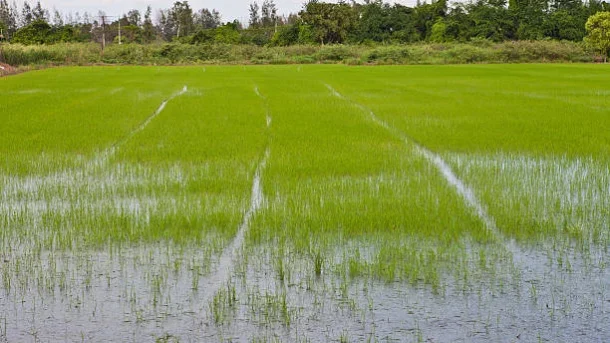
Water Availability: The availability of water for agriculture is impacted by climate change. Water scarcity and drought situations can result from altered precipitation patterns and higher evaporation rates brought on by rising temperatures. Irrigation systems, crop water needs, and general water management practices are all impacted by decreased water availability. By using effective irrigation methods, water-saving strategies, and water-storage systems, farmers may need to adjust.

Outbreaks of pests and illnesses: In agricultural systems, climate variability affects the frequency and severity of pests and diseases. The life cycles, geographic distribution, and quantity of pests and disease vectors can all be impacted by changes in temperature and humidity patterns. Variations in the dynamics of pests and diseases can raise the danger of outbreaks, leading to crop losses and damage. According to shifting climatic conditions, farmers must keep an eye on and manage pests and illnesses.

Extreme weather conditions, such as prolonged periods of heavy rain and storms, can result in soil erosion, which depletes nutrients and reduces soil fertility. Flooding can also cause waterlogging and soil saturation, which can harm roots and reduce their ability to absorb nutrients. Crop productivity is adversely affected by soil erosion and deterioration, necessitating soil conservation.
What are the effects of rainfall patterns on agriculture?

rainfall patterns

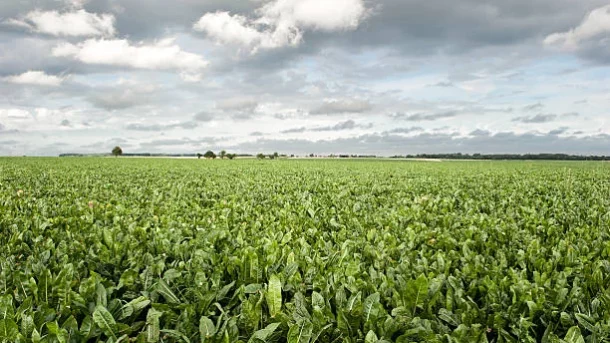
Crop Growth and Yields: For crops to grow and yield, there must be sufficient and evenly distributed rainfall. Water from rainfall patterns is crucial for plants to use for physiological functions including photosynthesis and nitrogen uptake. Reduced crop yields, water stress, and stunted development can all be effects of insufficient rainfall. On the other hand, heavy rainfall can reduce agricultural output by resulting in waterlogging, root damage, and increased susceptibility to diseases.

Needs for irrigation and soil moisture are determined by rainfall patterns, which are essential for crop development. Rainfall that is regular and moderate refills the moisture in the soil, creating ideal circumstances for plant growth. Farmers may need to supplement irrigation in areas with insufficient rainfall to meet crop water needs. Care must be taken since irregular or erratic rainfall patterns can result in unequal soil moisture distribution.

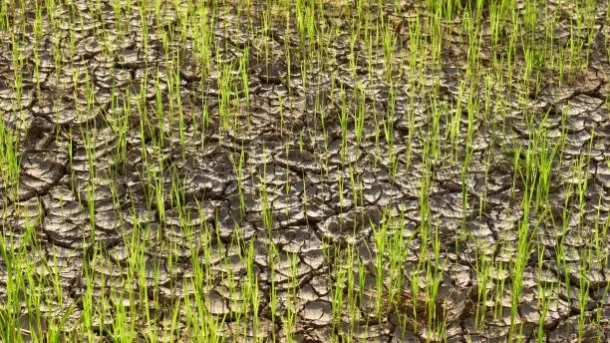
Water Stress and Drought: Prolonged dry spells can result from insufficient precipitation. Droughts can seriously affect agriculture, leading to crop failures, decreased yields, and financial losses. Drought-induced water stress can alter plant physiology and cause wilting, leaf senescence, and decreased nutrient uptake. Crop varieties that can withstand droughts and effective irrigation techniques can lessen the effects of water constraint.

Decisions Regarding Planting and Harvesting: Farmers base their planting and harvesting decisions on rainfall patterns. To choose the best time to sow various crops, they take into account the start and length of rainy seasons. Rainfall that is irregular or late can delay planting, which will have an impact on crop growth and yields. Similar to how weather patterns during harvest might affect harvesting activities and post-harvest processing procedures.

What are the main climate factors that influence agricultural productivity?

influence

Temperature: Crop growth and development are greatly influence by temperature. The ideal temperature for germination, vegetative growth, blooming, and fruiting varies depending on the crop. Crop yields and quality can be significantly impacted by extreme temperatures, such as heatwaves or frost occurrences. The time of planting and harvesting activities is also impacted by temperature.

Precipitation: For crops to develop, there must be sufficient and timely precipitation. Reduced crop yields, drought conditions, and plant water stress can all result from insufficient precipitation. On the other hand, an abundance of rain can cause nutrient leaching, soil erosion, and waterlogging. Crop choices, the requirement for irrigation, and water management measures are all influence by the quantity, distribution, and timing of precipitation.

Seasonality: The length and timing of the seasons play a significant role on the productivity of the agricultural sector. The amount of time available for crop growth and yield formation depends on the length of the growing season. Crop rotation techniques, planting dates, and crop choice are all impacted by seasonality. Decisions on agricultural planning and management may be impacted by changes in seasonality patterns.

Solar Radiation: The energy required for photosynthesis, which fuels crop growth and production, is provided by solar radiation, notably in the form of sunshine. Crop yields and the buildup of biomass are influenced by the length and intensity of sunshine. The effectiveness of plants’ photosynthetic processes and the production of plant sugars are both impacted by solar radiation.

How does climate impact agricultural practices?

climate impact

Temperature: Crop growth and development are impacted by temperature. The ideal temperature for germination, vegetative growth, blooming, and fruiting varies depending on the crop. Crops can be harmed or even destroyed by extreme temperatures, such as heatwaves or frost occurrences. climate impact change-related changes in temperature patterns can affect whether crops grow well in particular places and may need adjusting planting times and crop choices.

Precipitation: For crops to develop, there must be sufficient and timely precipitation. Reduced crop yields, drought conditions, and plant water stress can all result from insufficient precipitation. On the other hand, an abundance of rain can cause nutrient leaching, soil erosion, and waterlogging. The need for irrigation, crop choices, and overall water management practices in agriculture can all be impacted by changes in precipitation patterns, including variations in timing and severity.

Seasonal Variability: The length and timing of seasons, including the length of growing seasons and dormant periods, are influenced by the climate. Crop selection, planting dates, and crop rotation techniques are all impacted by the availability of adequate growing seasons. Farming schedules can be thrown off by climate impact variability, which includes changes in the start and end dates of the seasons.

Water Resources: Surface water and groundwater availability and distribution are influenced by the climate. For the production of crops, livestock, and irrigation, water availability is essential. Farmers may need to adopt effective irrigation methods, water conservation practices, and better water resource management strategies as a result of changes in precipitation patterns and temperature.

Do chemical fertilizers have any impact on water sources or groundwater quality?

groundwater

Runoff of Nutrients: Surface runoff can remove nutrients from the crops when chemical fertilizers are applied excessively or during periods of heavy rainfall. The neighboring rivers, lakes, groundwater, and streams may receive this discharge. The overabundance of nutrients, especially nitrogen and phosphorus, can lead to eutrophication, a condition in which the growth of algae and aquatic plants is accelerated by an abundance of nutrients. This may cause an oxygen shortage, kill aquatic life, and throw the aquatic ecosystem’s delicate balance out of whack.

Chemical fertilizers, particularly those that are water soluble, can permeate the soil profile and seep into the groundwater. Leaching happens when rainfall or irrigation water moves the dissolved nutrients into the water table by moving them through the soil layers.


Surface Water Contamination: Chemical fertilizers that are improperly handled, stored, or accidentally spilled can contaminate surface waters. Runoff or direct release of fertilizer compounds into water bodies can happen when fertilizers are not administered in accordance with advised procedures or when machinery fails. This might affect the quality of the water, endanger aquatic life, and disturb aquatic ecosystems.

Groundwater contamination can result from the leaching of nutrients from chemical fertilizers, notably nitrate. Since nitrate is extremely soluble, it can quickly pass through the soil and get to the water table. Nitrate contamination in groundwater can be harmful to people’s health. Methemoglobinemia, sometimes known as “blue baby syndrome,” is a disorder that decreases the blood’s ability to carry oxygen, especially in children. It is brought on by consuming water with high nitrate concentrations.

How are chemical fertilizers typically applied in agricultural practices?

applied

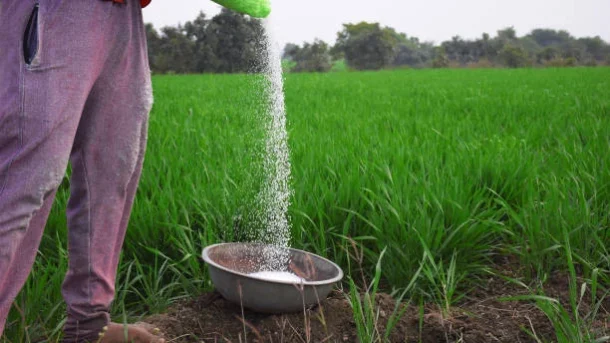
Spreading fertilizer over the soil’s surface uniformly entails broadcasting, which uses dry or granular fertilizers. This technique is sometimes paired with tillage operations to mix the fertilizer into the topsoil and is frequently employed for broad-acre crops. Spreading or applied can be done manually or with the aid of mechanical spreaders, such as spreaders for broadcasting or spreaders for spreading fertilizer placed on tractors.

Banding: When fertilizer is applied in little bands close to seed or plant rows, it is referred to as banding. By concentrating the fertilizer in the root zone, this technique ensures that the crop will efficiently absorb nutrients. Fertilizer can be banded during planting by putting it either in the planting furrow itself or in a different band next to the seed rows. Row-crop planters and fertilizer are examples of specialist equipment that can be used to do it.
Side-dressing: Side-dressing is the practice of applying nutrients to plants that are in growth. This technique is frequently employed for crops with a longer growing season or when more nutrient supplementation is required at particular growth stages. Using specialized tools, such as side-dress applicators mounted on tractors, or manually applying fertilizer along the plant rows are both acceptable methods of side-dressing.

Application of nutrients through irrigation systems is known as fertilization. It entails injecting liquid fertilizers into irrigation water to distribute nutrients precisely and under control to the crop’s root zone. High-value crops, greenhouse production, and drip irrigation systems all frequently use fertilization. It calls for specific tools like proportioning pumps or fertilizer injectors.

Do chemical fertilizers have any potential risks or drawbacks?

potential

Water contamination can be caused by improper or excessive application of chemical fertilizers, which can cause nutrient runoff and leaching. In water bodies, an excess of nutrients, especially nitrogen and phosphorus, can result in eutrophication, which decreases oxygen levels, promotes algal blooms, and upsets the biological balance. Runoff from fertilizers may potential contaminate groundwater, harming supplies of drinking water.

Continuous use of chemical fertilizers without using good soil management techniques might cause soil degradation. Inadequate fertilization can lead to nutrient imbalances, soil acidification, and decreased soil fertility, especially when certain nutrients are used excessively. Chemical fertilizers can deplete soil organic matter levels if organic matter inputs are not present, which can have a negative impact on soil structure, water-holding capacity, and nutrient cycling.

Chemical fertilizers may have an effect on beneficial soil creatures like earthworms, mycorrhizal fungi, and other soil microbes. These organisms are essential for maintaining soil structure, nitrogen cycling, and general soil health. High concentrations of chemical fertilizers, especially synthetic nitrogen, can have a severe impact on the variety and number of these species, upsetting the balance of soil ecosystems.

Health and Safety Issues: If improperly used, several chemical fertilizers might be hazardous to one’s health and safety. Because they are caustic or toxic, some fertilizers, including anhydrous ammonia or concentrated liquid fertilizers, can be dangerous to handle. Health problems might result from fertilizer dust inhalation or unprotected contact with concentrated forms. To reduce potential dangers, safe techniques should be used for application, handling, and storage.

How do chemical fertilizers affect soil fertility over time?

over time

Nutrient Imbalances: Excessive and continuous application of chemical fertilizers without taking into account crop needs and soil nutrient levels can cause nutrient imbalances. Nutrient deficiencies or toxicities may develop from an over time on a small number of nutrients, such as potassium, phosphorus, or nitrogen, while disregarding other crucial elements. The entire health of the soil ecosystem as well as soil fertility can be adversely affected by these imbalances.

Chemical fertilizers, especially those devoid of organic matter, have little effect on the decomposition of organic matter in the soil. By enhancing soil structure, water-holding ability, nutrient retention, and microbial activity, organic matter is essential for soil fertility. Over time, a continuous application of chemical fertilizers without adding organic matter to the soil can cause the levels of soil organic matter to drop.
Acidity and pH of the soil: Over time, some chemical fertilizers, such as those based on ammonium, can cause the soil to become more acidic. Without correct pH management, the pH of the soil can be continuously decreased, increasing the acidity of the soil. The availability of nutrients, microbial activity, and general soil health can all be negatively impacted by soil acidification, which will have an effect on soil fertility.

Especially on poorly drained soils or during periods of high rainfall, improper or excessive application of chemical fertilizers can result in nutrient leaching and runoff. When applied nutrients are carried by water outside of the root zone, they are rendered unavailable to plants and may result in environmental pollution. Water contamination, eutrophication of water bodies, and ecological imbalances can all be caused by nutrient runoff. These actions may have an impact on soil fertility.

What are the advantages of using chemical fertilizers in agriculture?

chemical fertilizers

Chemical fertilizers offer fine control over the mix and concentration of nutrients. As a result, farmers can modify the fertilizer application to suit the needs of particular crops and the soil. Chemical fertilizers help to overcome nutritional deficiencies, promote balanced plant growth, and increase crop yields by giving vital elements in the right ratios.

Chemical fertilizers are highly soluble and easily accessible to plants, resulting in rapid nutrient availability. They swiftly dissolve in soil after application, providing nutrients that plant roots can readily absorb. This quick nutrient availability is especially helpful when plants are in key growth phases and have high nutritional requirements. It enables quick growth reactions and can quickly correct nutrient deficits.

Increased Crop Yields: Using fertilizers in agriculture is primarily intended to boost crop yields. When utilized properly, it is give plants the essential nutrients in concentrated and palatable forms. This encourages the best possible plant development, growth, and productivity, which raises crop yields. Chemical fertilizers assist farmers in maximizing their crop yield by addressing nutritional restrictions.

Precision and Efficiency: Chemical fertilizers are designed to be precise and effective. They minimize nutrient losses due to leaching or volatilization by supplying nutrients directly to the plants. By delivering nutrients with such accuracy, plants are guaranteed to receive the nutrients they need, minimizing waste and boosting fertilizer efficiency. Additionally, it enables the use of energy, water, and land resources more effectively.

How do earthworms improve soil structure and nutrient availability, making them valuable organisms in agriculture?

earthworms

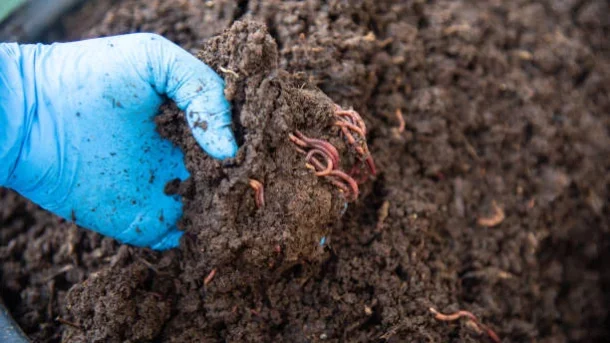
Enhancing soil structure: Because they physically change the soil environment, earthworms are referred to as ecosystem engineers. They make channels and tunnels in the soil as they dig through it, which helps the soil’s structure. In order to improve soil aeration, water infiltration, and root penetration, the burrows provide paths for air, water, and plant roots. Earthworms encourage improved root development and nutrient uptake by plants by loosening compacted soil.

Decomposition of organic matter: Earthworms feed on organic stuff, such as rotting organic waste and dead plant material. The organic stuff is broken down and blended with the soil as it moves through the earthworm digestive system. By speeding up the breakdown and mineralization of organic materials, a process known as vermicomposting, nutrients are released in readily usable forms.


Cycling of nutrients: Earthworms help the soil’s nutrient cycle. Earthworm consume organic material, bacteria, and mineral particles through their feeding activities. These substances are altered and partially broken down when they move through the digestive system of earthworms. Higher nutrient concentrations and better nutrient forms can now be absorbed by plants thanks to the excretions and castings that occur. Earthworm aid in nutrient redistribution, lowering nutrient stratification and enhancing nutrient distribution.

Earthworms play a role in the production of soil aggregates, which are collections of soil particles bound together by microbial and organic materials. The organic matter and mineral particles that earthworms mix together as they migrate through the soil to create stable aggregates. By generating pore spaces for the circulation of air and water, these aggregates strengthen the soil’s structure.