Irrigation

How do seed germination rates vary across different plant species, and what factors can affect germination success?

plant species

Mechanisms for dormancy: Some seeds and plant species have internal mechanisms for dormancy that delay germination unless specific requirements are met. Hard seed coverings, chemical inhibitors, or physiological dormancy are a few examples of causes of dormancy. To break dormancy and encourage germination, specific treatments like scarification (mechanical or chemical abrasion of the seed coat) or stratification (exposure to cold temperatures) may be needed.

Temperature: The germination of seeds is greatly influenced by temperature. For optimal germination, different plant species require different temperatures. The ideal temperature range or certain temperature thresholds for seed germination may exist. While some seeds prefer cooler temps, others need warmth. If the temperature is too high or too low for a particular species, germination may be hampered or delayed.

Moisture: For seeds to germinate, there must be enough moisture. The germination process in seeds is triggered by a particular moisture content. While an abundance of moisture can result in rotting, fungal or bacterial growth, and seedling damping-off, it can also delay or prevent germination. For successful seed germination, the right soil moisture levels and irrigation techniques are essential.

Light requirements: Some plant species need light to germinate, while others may need darkness. Some seeds must be exposed to light in order to germinate, and dirt might prevent this from happening. However, some seeds need complete darkness to germinate. For optimal germination, it’s crucial to understand the lighting needs of various plant species.
What are the key factors to consider when selecting seeds for different crops?

selecting seeds

Climate and Growing Conditions: Each crop has unique environmental and climate needs. Take into account the growing season length, humidity, rainfall, and temperature in your area. To increase the likelihood that your seeds will germinate and grow well, selecting seeds that are well adapted to your region’s climate.

In order to grow a given crop, selecting seeds that are resistant to typical diseases and pests that harm that crop. The need of chemical interventions can be minimized with the use of disease-resistant seedlings.

Yield and Productivity: Take into account the crop variety you are choosing’s potential yield and productivity. Look for seeds that have a history of consistently producing good yields. Frequently, seed catalogs or regional agricultural extension offices will have this information.

Maturity Period: The time from planting to harvest is referred to as a crop’s maturity period. Choose seeds with a maturation duration that corresponds with the length of your growing season. By doing this, you can be confident that the crop will have enough time to mature and yield a harvest before bad weather conditions appear.

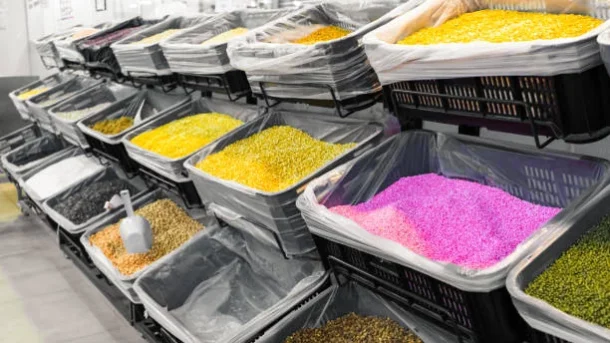
Quality and Viability: Pick seeds with a high level of both quality and viability. Examine elements including seed uniformity, color, and size. To retain the seeds’ viability, make sure they are properly stored and are not old.

Desired Traits: Take into account any particular traits or qualities you are trying to find in your crop. This may involve elements like flavor, color, texture, or particular nutritional characteristics. The flavor, look, and nutritional content of different seed kinds might vary.

How does the lack of capacity-building and training opportunities hinder farmers’ skills development?

capacity-building and training opportunities

The growth of farmers’ skills and their potential to enhance agricultural practices can be severely hampered by a lack of capacity-building and training opportunities. The following are some difficulties that the lack of such possibilities may cause:

Limited Technical Skills and Knowledge: capacity-building and training opportunities give farmers the technical know-how they need to embrace modern farming methods, increase production, and improve sustainability. Without access to training, farmers can rely on old-fashioned practises that reduce yields, waste resources, and make them more susceptible to pests, illnesses, and climate-related problems.

Inadequate Adoption of Best Practices: Training programmes give farmers information on the best practices for managing crops, maintaining healthy soil, controlling pests and diseases, conserving water, and handling produce after harvest. Without sufficient instruction,

Limited Knowledge of Market Dynamics: Training programmes give farmers information on market trends, consumer preferences, dynamics of the value chain, and quality requirements. With the use of this information, farmers may make well-informed choices, adjust their production to market needs, and take advantage of better market prospects. Farmers may lack market information in the absence of training, which makes it difficult for them to advertise their goods and set competitive prices.

What are the problems caused by inefficient irrigation practices and water wastage in agriculture?

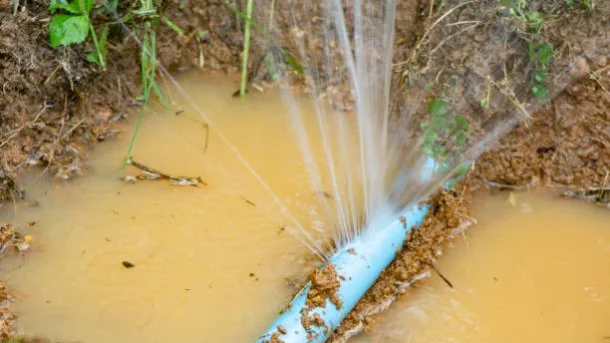
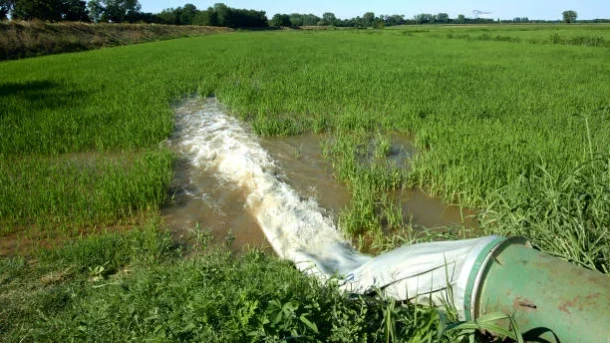
Competition and Water Scarcity: Inefficient irrigation techniques result in excessive water use, which causes water scarcity in agricultural zones. Competition for water among various sectors, including agriculture, industry, and home use, grows as water resources become scarce. This may limit the amount of water available for agricultural purposes and affect the region’s overall water security.

Water Source Depletion: Inefficient irrigation practices frequently involve excessive irrigation or inappropriate water management, which causes the depletion of water sources like rivers, lakes, and underground aquifers. Water tables can decline as a result of excessive groundwater extraction, which will have long-term detrimental effects on both agricultural and non-agricultural water consumers.

Soil Degradation and Salinization: Poor irrigation techniques, such as using too much or too little water, can cause the degradation and salinization of the soil. When soil becomes waterlogged from excessive irrigation, soil aeration is reduced and salt buildup in the root zone is encouraged. This has a negative impact on crop development, output, and soil fertility, which eventually lowers agricultural yields.

Energy Use and Greenhouse Gas Emissions: Using inefficient irrigation techniques frequently results in higher energy costs for pumping, distributing, and extracting water. The usage of more energy results in more greenhouse gas emissions, which fuel climate change and environmental damage. Long-term effects on sustainable agriculture may result from this, and the effects of climate change on water resources may be exacerbated.

What are the issues related to social inequality and marginalized communities in the agricultural value chain?

Several crucial problems are spawned by social inequality and the exclusion of communities from the agricultural value chain:-

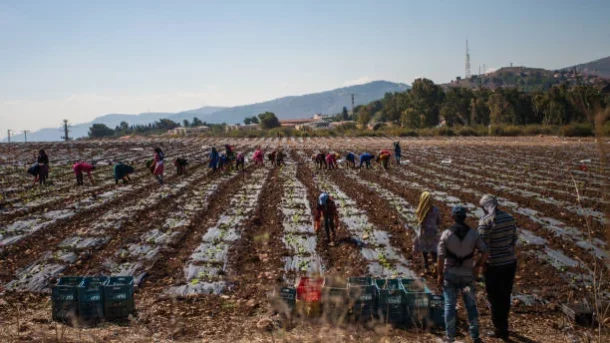
Limited Access to Resources: Communities on the margins frequently encounter obstacles when trying to obtain basic resources including land, water, financing, and sophisticated agricultural supplies. Lower yields and income levels result from their inability to engage in productive and sustainable agricultural practices due to a lack of access to these resources.

Land Tenure and Ownership: In many areas, marginalized populations face difficulties gaining rights to land tenure and ownership. Their fragility and lack of control over agricultural land is a result of dispossession, land grabbing, and discriminatory land policy, which feeds a cycle of poverty and marginalization.

Gender Inequality: Women in rural and underprivileged areas frequently encounter barriers based on their gender while trying to access resources, positions of authority, and financial opportunities within the agricultural value chain. Their access to education and training as well as their participation in farming operations may be restricted by gender-based discrimination.

Lack of Representation and Participation: Marginalized communities frequently have little representation in and little involvement in policy, rural development, and agriculture-related decision-making processes. Because of this exclusion, policies may not appropriately address their special requirements and difficulties.

How does the limited availability of agricultural data and information hinder evidence-based policymaking?

The lack of agricultural data and information can impede the development of evidence-based policies in a number of ways.

An insufficient knowledge of agricultural systems can be brought about by a lack of data and information on a number of factors, including crop yields, land usage, water resources, weather patterns, and market dynamics. It’s possible that policymakers lack the knowledge needed to create focused policies and actions that address particular possibilities and difficulties in agriculture.

Inaccurate Assessment of concerns and Impacts: Policymakers may find it difficult to make accurate assessments of the scope and effect of agricultural concerns in the absence of thorough and current data. Food insecurity, land degradation, water shortages, and the impact of climate change on agriculture are a few examples of such problems. In the lack of trustworthy data, legislators could create regulations that

Weak Predictive and Forecasting Capabilities: Predictive modelling and forecasting depend on data and information to help decision-makers foresee future trends, dangers, and opportunities in agriculture. A lack of data makes it difficult to create accurate models and projections, which makes it difficult to create proactive strategies and adjust to changing agricultural conditions.

Lack of Stakeholder involvement: Information and data are essential for promoting stakeholder involvement and collaborative decision-making. Stakeholders, such as farmers, academics, business representatives, and civil society organizations, may be excluded from meaningful participation in the creation and implementation of policies when data is scarce or unavailable. As a result, agricultural policies lose some of their credibility and efficacy and lose some of their potential influence.

How does the lack of access to credit and financial services for agricultural investments hinder farmers’ productivity?

credit and financial services

The productivity of farmers can be hampered in a number of ways by a lack of access to financing credit and financial services for agricultural investments:

Limited Investment Capacity: Farmers may not have the money they need to invest in agricultural supplies, technology, and infrastructure that can increase production if they do not have access to credit and financial services. This entails investing in top-notch seeds, fertilizer, irrigation equipment, farming practices, and machines. Lower productivity levels might come from farmers being unable to embrace new methods and technology due to a lack of investment capacity.

Restricted Expansion and Diversification: Farmers may find it difficult to extend their businesses or diversify into higher-value animals or crops due to a lack of finance and financial services. Investments in operating capital, infrastructure, equipment, and land are necessary upfront for expansion and diversification.

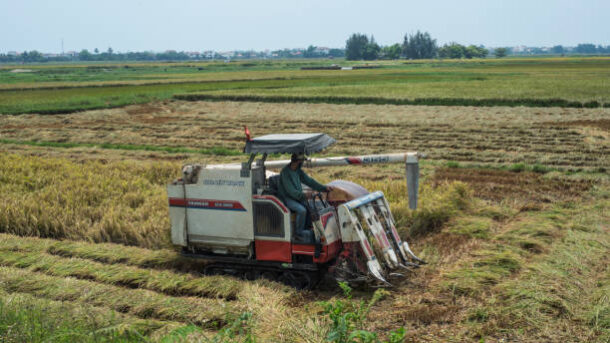
Inability to Adopt contemporary technology: By using contemporary technology like irrigation systems, mechanization, and precision agriculture, agricultural production may be considerably increased. These solutions, however, frequently need a sizable initial expenditure. Farmers may be unable to purchase and utilize these technologies due to a shortage of credit and financial services, which limits their capacity to increase production and efficiency.

Limited Working Capital: For day-to-day agricultural activities, such as buying supplies, hiring labour, and managing cash flow, enough working capital is crucial. Lack of access to finance can make it difficult for farmers to keep enough operating capital on hand, which can cause interruptions in farming operations, less than ideal decision-making, and decreased production.

What are the issues related to food security and nutrition in the context of agriculture?

food security

Inadequate production and distribution: Agriculture is a key component of food production, although productivity can be hampered by issues including poor access to resources, land degradation, and climate change. Food shortages and food insecurity may result from inadequate agricultural production. Additionally, ineffective food distribution methods and restrictions to market access can lead to uneven food distribution, aggravating problems with nutrition and food security.

Lack of availability to wholesome food: Even in situations where food is readily available, many people experience difficulties obtaining a variety of wholesome foods. The ability of individuals to acquire and receive wholesome food may be hampered by poverty, income disparity, and restricted access to markets.

Micronutrient deficiencies and malnutrition: Malnutrition includes both overeating and undereating. Inadequate nutrient and calorie intake can lead to undernutrition, which includes stunting, wasting, and underweight. Contrarily, overnutrition refers to the excessive ingestion of calories, which frequently leads to obesity and non-communicable diseases associated with diet. Deficiencies in micronutrients, such as a lack of vitamins and minerals, are another major obstacle to proper nutrition. These types of malnutrition and deficits in micronutrients can be attributed to inadequate availability to a variety of nourishing foods.

Unsustainable agricultural practices: Some agricultural methods, particularly extensive monoculture farming, excessive pesticide usage, and poor land management, can have a negative impact on nutrition and food security. These actions may result in soil degradation, biodiversity loss, and water resource contamination.

What are the problems caused by the overuse and mismanagement of water resources in agriculture?

overuse

Water scarcity: Agriculture uses a lot of water, and when water supplies are depleted due to overuse in farming, there will be less water available. The depletion of aquifers, reduced river flows, and the drying up of lakes and wetlands can be caused by excessive groundwater pumping, excessive irrigation, and ineffective water management techniques. Water scarcity affects the sustainability of water supplies, poses problems for farmers in irrigated areas, and limits the amount of water available to other industries and ecosystems.

Reduced water quality: Poor agricultural water management techniques, such as overusing pesticides and fertilizers, can cause water pollution. Eutrophication, algal blooms, and water quality degradation can result from sediment, nutrients, and chemical residues carried by runoff from agricultural areas.

Soil salinization: The buildup of salts in the soil decreases its fertility and agricultural output. Over-irrigation and inadequate drainage practices might be contributing factors. In dry and semi-arid areas, when evaporation rates are higher than rainfall and salts are left in the soil, salinization is particularly prevalent. Plant development is restricted by salinization, which also necessitates expensive and labor-intensive procedures to reclaim and rehabilitate impacted soils.

Groundwater depletion: In places with a shortage of surface water supplies, agriculture heavily depends on groundwater for irrigation. Aquifers may be drained by over pumping groundwater for agricultural purposes. Aquifers become dry, the water table falls, and farmers find it challenging to acquire water for irrigation.

How does the lack of access to affordable and inclusive financial services impact farmers’ economic resilience?

financial

Limited capacity for investment: Farmers sometimes need money to invest in their agricultural activities, including buying seeds, fertilizer, equipment, and livestock, as well as investing in irrigation systems and other infrastructure. Farmers might find it difficult to raise the money needed for these investments, though, if they don’t have access to inexpensive credit and banking services. This may limit their capacity to increase output, grow their business, and apply contemporary farming techniques.

Agriculture is intrinsically vulnerable to a number of shocks and risks, including weather-related incidents, market volatility, and pests and diseases. Farmers may find it difficult to build resilience against these hazards if they do not have access to financial services.

Limited capacity for business expansion: Farmers’ ability to build and grow their agricultural companies depends on their access to banking services. Farmers can find it challenging to expand their operations, diversify into higher-value crops or livestock, or make investments in value-added processing and marketing activities without access to finance, savings, or insurance products. Their inability to take advantage of market chances and boost their economic potential may be hampered by their lack of financial resources.

Financial services give farmers the tools and resources they need to efficiently prepare for and manage their finances. Farmers may become more adept at financial planning, manage cash flows, and make wise investment choices by having access to savings accounts, credit options, and financial literacy programs.