Irrigation

What are the factors contributing to the rise in vertical farming?

vertical farming

Several elements that make this cutting-edge agricultural method more appealing to farmers, investors, and consumers are behind the development in vertical farming. The following are some of the main causes of the development of vertical farming:

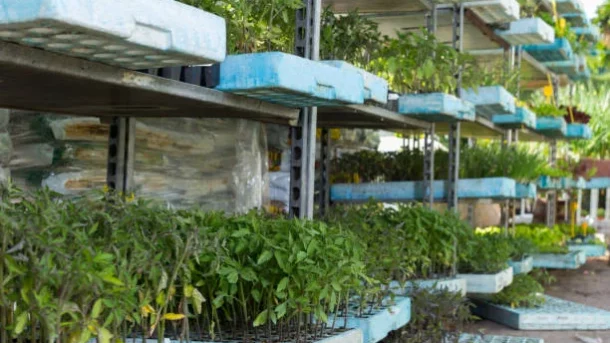
Limited Arable Land: Due to urbanization, soil deterioration, and other factors, there is a decreasing amount of arable land available. When opposed to conventional horizontal farming techniques, vertical farming enables agriculture to be carried out in vertical stacks or levels, using less area.

Urbanization and Population Growth: As the world’s population continues to rise and more people live in cities, there is a rising need for fresh produce that is cultivated nearby. Urban populations can obtain fresh produce from vertical farms that can be erected in or close to cities, cutting down on transit costs.

Climate Change and Extreme Weather Events: As the frequency of extreme weather events like droughts and floods rises, climate change causes problems for traditional agriculture. Vertical farms provide improved climatic resilience and protection against inclement weather because they frequently operate in controlled surroundings.

Water conservation: When compared to conventional open-field agriculture, vertical farming uses much less water thanks to its sophisticated irrigation systems. By precisely delivering water to plant roots, methods like hydroponics and aeroponics help to reduce water waste.

Production All Year Long: Vertical farms may run all year long, regardless of the seasons or the weather. A consistent supply of fresh vegetables is ensured by this ongoing production throughout the entire year.
What are the latest innovations in agricultural machinery and equipment?

equipment

Several advancements in agricultural technology and equipment were being created and deployed as of my most recent update in September 2021 to increase productivity, sustainability, and efficiency in the agricultural industry. Here are some of the most recent advancements in agricultural gear and equipment as of that time, despite the fact that agricultural technology is constantly changing:

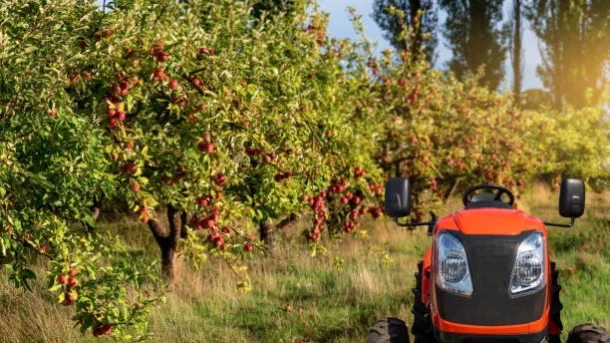
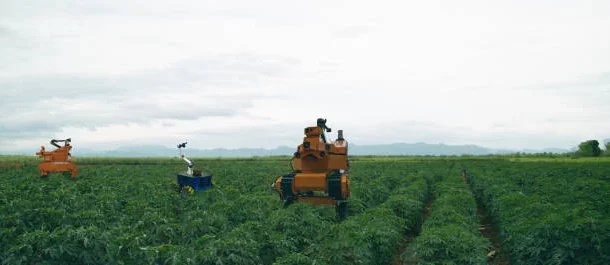
Autonomous tractors and equipment: Equipped with GPS and cutting-edge sensors, self-driving tractors and equipment may carry out a variety of tasks, including planting, spraying, and harvesting. Equipment that is autonomous lowers the need for manpower and allows more precise and effective operations.

Drones and Unmanned Aerial Vehicles (UAVs): Drones with cameras and sensors are used for data collecting, aerial imaging, and crop monitoring. They offer farmers useful information for enhancing crop health, insect control, and irrigation.

Robotic Systems for Harvesting: In order to alleviate the labor shortage and improve harvesting efficiency, robotic systems that can pick fruits and vegetables are currently being developed.

Using real-time data and field conditions, farmers may administer inputs like fertilizer, herbicides, and seeds at different rates using a technology called variable rate technology (VRT). This technology lessens the impact on the environment while maximizing resource consumption.

Precision planting systems make use of cutting-edge technology to guarantee precise seed placement, spacing, and depth, improving crop establishment and yields.

What are the current trends in sustainable agriculture within the market?

sustainable agriculture

Sustainable agriculture has been gaining traction as a prominent trend within the agricultural business as of my most recent report in September 2021. Growing awareness of environmental issues, climate change, and the need for responsible resource management are what are driving the focus on sustainable practices. I don’t have access to current data, however the following are some significant trends in sustainable agriculture:

Regenerative Agriculture: Through techniques like cover crops, decreased tillage, crop rotation, and integrated livestock management, regenerative agriculture places an emphasis on restoring soil health and biodiversity. It seeks to increase carbon sequestration, water retention, and soil fertility.

Precision Agriculture: To maximize resource utilization, precision agriculture integrates technology, data analytics, and remote sensing. Farmers collect data and apply inputs more effectively by using GPS, sensors, and drones, which minimizes waste and has a positive influence on the environment.

Climate-Smart Agriculture: Climate-smart agricultural methods put an emphasis on adjusting to and minimizing the consequences of climate change. This entails choosing agricultural varieties that are resistant to climate change, employing water-saving measures, and applying climate-friendly animal management.

Organic farming: Consumer desire for food that is free of chemicals, environmentally friendly, and socially responsible is what is driving this movement.

Agroforestry and silvopasture: By combining trees and shrubs with crops or livestock, agroforestry can conserve the land while also preserving biodiversity and generating additional income.

What role does technology play in the modern agricultural market?

modern agricultural market

The modern agricultural market is transformed by technology, which has completely changed how farming and agribusiness are performed. Agtech, or improvements in agricultural technology, has the potential to increase profitability, productivity, and sustainability in the industry. Here are a few crucial functions that technology has in the contemporary modern agricultural market:

Precision farming: To gather information on soil conditions, weather patterns, and crop health, precision farming uses technology like GPS, sensors, drones, and satellite photography. Farmers can optimize inputs like water, fertilizer, and pesticides thanks to this data-driven methodology, which leads to higher yields and less resource waste.

Internet of Things (IoT): IoT devices are being used more frequently in agriculture to monitor and manage a variety of operations, from animal health monitoring to irrigation and temperature control. Real-time data collecting is made possible by IoT, which improves productivity and decision-making.

Data analytics and artificial intelligence (AI): By processing enormous amounts of agricultural data, data analytics and AI technologies support farmers in making data-driven decisions. In order to forecast crop yields, spot disease outbreaks, optimize planting times, and better manage farm operations, machine learning algorithms may analyze data from numerous sources.

Automation and robotics in agriculture: Planting, harvesting, weeding, and pruning are just a few of the jobs that agricultural robots are made to do. Automation eliminates the need for human work, boosts productivity, and can help with the agricultural industry’s labor issue.

How does climate change affect the agricultural market?

climate change

The agricultural market is significantly impacted by climate change, which has an impact on many facets of agricultural production, distribution, and commerce. Changes in crop yields, commodities prices, and the world’s food supply may result from these effects. The agriculture market is impacted by climate change in the following ways:

Crop Yields and Productivity: As temperatures and precipitation patterns change due to climate change, severe weather events including droughts, floods, heat waves, and storms may become more often and intense. These harsh weather conditions may have a significant effect on crop production and yields, which would decrease the market’s supply of agricultural products.

Changes in Growing Seasons and Geographic Distribution: Changing climate conditions can change the best times for crops to grow and also affect which areas are suitable for agriculture. Farmers may need to adjust by switching to other crop kinds or altering planting and harvesting times.

Changes in precipitation patterns and rising temperatures may have an impact on the availability of water for irrigation. Water shortages can hinder agricultural output, resulting in lower crop yields and more expensive production.

Pests and diseases: Pests and diseases that damage crops and livestock might shift in their range and frequency as a result of climate change. There could be an increase in the usage of pesticides and veterinary medications due to the emergence of new or more aggressive diseases and pests, which could have an impact on production costs and product quality.

What are the advantages of using autonomous farm equipment?

autonomous farm equipment

In contemporary agriculture, using autonomous agricultural equipment has a number of benefits. The following are some major advantages of using autonomous farm equipment:

Efficiency and productivity are improved because autonomous farm equipment may run constantly without being affected by worker fatigue or time restrictions. They are able to work continuously, maximizing working hours and raising general effectiveness. Autonomous technology aids farmers in completing chores more swiftly and efficiently by decreasing downtime and boosting production.

Precision and accuracy: Autonomous farm equipment is outfitted with cutting-edge technologies including computer vision systems, sensors, and GPS. Accurate and reliable performance is made possible by these technologies, which also enable accurate navigation, mapping, and operation. Application of inputs, such as fertilizers or insecticides, with precision ensures focused distribution, minimizes waste, and maximizes resource use.

Savings: The labor expenses associated with some farm operations may be reduced with the use of autonomous farm machinery. Farmers can reduce labor costs by using automation, especially for labor-intensive or repetitive tasks. Autonomous machinery can also optimize inputs like water, fertilizer, or fuel, eliminating waste and lowering operating expenses.

Safety and minimized human risk: The direct human engagement in potentially dangerous operations is eliminated by autonomous agricultural equipment, improving safety on the farm. There is less chance of accidents, injuries, or exposure to harmful substances when fewer people are involved in dangerous procedures. Additionally, autonomous equipment lessens operator tiredness, which is a factor in mistakes and accidents caused by people.

How can smart irrigation systems conserve water in horticulture?

smart irrigation systems

By streamlining irrigation procedures and minimizing water waste, smart irrigation systems are essential to the conservation of water in horticulture. Here are some ways that intelligent irrigation systems help to conserve water:

Monitoring soil moisture: Smart irrigation systems use soil moisture sensors to gauge the amount of moisture present in the plant roots. By providing real-time information on soil moisture levels, these sensors enable irrigation to be planned based on actual plant requirements rather than a predetermined schedule. Water is conserved and overwatering is reduced by making sure irrigation is used only as needed.

Weather-based irrigation scheduling: Smart irrigation systems include weather information into their irrigation plans, such as temperature, humidity, rainfall, and evapotranspiration rates. The systems modify irrigation volumes and frequencies based on the current weather and evapotranspiration rates.

Irrigation activities are controlled automatically by smart irrigation systems using sensor data and pre-set parameters. They can be programmed to turn on irrigation at particular times of the day, like early in the morning or late at night, when water loss from evaporation is at a minimum. Automation makes personal intervention unnecessary and guarantees that irrigation is always set to maximize water efficiency.

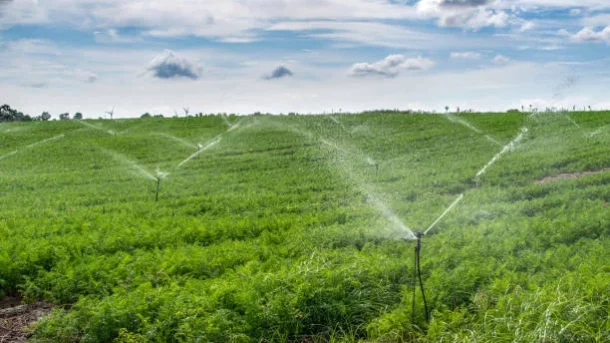
Smart irrigation system can be used with precision irrigation methods as drip irrigation, micro-sprinklers, or precision sprinklers. These methods minimize water loss from evaporation or runoff by delivering water directly to the root zone of plants. These technologies optimize water consumption, eliminate water waste, and boost water efficiency in agricultural operations by accurately directing water application.

What is the potential of using gene editing to increase crop resilience to drought?

gene editing

The ability to use gene editing to make crops more drought-resistant is noteworthy. Here are some crucial elements of how gene editing can help crops adapt to drought:

Targeted gene editing: The precise change of particular genes in crops is made possible by gene editing tools like CRISPR-Cas9. This makes it possible for scientists to specifically target and modify genes involved in stress signaling pathways, stomatal control, water transport, or other processes that are essential for drought tolerance. It is feasible to improve the crop’s resistance to and ability to recover from drought circumstances by altering these genes.

Introduction of genes responsive to drought: By using gene editing, genes that are known to confer drought resistance can be added or their expression can be improved.

Regulating stress-responsive genes: Gene editings can be used to change how stress-responsive genes are regulated. Researchers can improve these genes’ susceptibility to drought stress by changing their regulatory regions or expression patterns. This could entail regulating the expression of transcription factors that control the expression of genes that respond to stress in order to optimize responses to water availability.

Enhancing crop water use effectiveness: Gene editings techniques can be utilized to improve crop water use effectiveness. This entails altering genes responsible for controlling stomata in order to increase water usage effectiveness by lowering transpiration rates while preserving photosynthetic activity. Additionally, it is possible to boost agricultural yields and water uptake efficiency by targeting genes related to root architecture, such as root depth or density.

How can agroecology contribute to sustainable agriculture?

agroecology

As an ecological method of farming, agroecology makes numerous contributions to sustainable agriculture. The following are some ways that agroecology might support sustainable agriculture:

Conservation of biodiversity: Agroecology highlights the significance of biodiversity in farming systems. Agroecology aids in biodiversity preservation by encouraging different cropping systems, crop rotations, intercropping, and the preservation of natural habitats on and around farms. Maintaining biodiversity promotes the health of ecosystems generally and the resilience of beneficial insects, pollinators, and natural pest control.

Agroecologies promotes soil health and fertility through techniques including the integration of organic matter, cover crops, crop rotation, and reduced tillage. Through these techniques, soil structure is improved, organic matter content is raised, water infiltration is improved, and erosion is decreased. Long-term production is increased by nutrient availability to plants and nutrient cycling in healthy soils.

Conservation of natural resources: Agroecology encourages the effective and sustainable use of resources such as water and energy. Water conservation strategies include rainwater collection, agroforestry systems that improve water retention and lessen runoff, and water-saving irrigation techniques. To reduce the carbon footprint of agricultural operations, agroecologies also promotes the use of renewable energy sources and energy-efficient practices.

Reduction of synthetic chemical inputs, such as pesticides and fertilizers: Agroecology encourages the reduction and prudent use of synthetic chemical inputs. Agroecology reduces dependency on chemical pesticides by applying ecological pest management techniques like biological control, crop rotation, and habitat diversification. The requirement for synthetic fertilizers is further lessened by techniques like organic fertilization, nutrient recycling, and nitrogen-fixing cover crops.

What is the impact of climate change on global food security? 

global food security

Global food security is significantly impacted by climate change, which has an impact on many areas of food production, distribution, and access. The following are some significant effects of climate change on world global food security:

Crop production and variations in yield: Crop productivity is directly impacted by rising temperatures, shifting precipitation patterns, and a rise in the frequency of extreme weather events like droughts, floods, and heatwaves. Climate changes have the potential to shorten growing seasons, lower crop yields, and increase output variability. These yield variations might threaten the stability and availability of food, especially in areas that depend significantly on agriculture.

Changed dynamics of pests and diseases: Pests and diseases that harm crops and livestock can vary in their distribution, behavior, and frequency as a result of climate change. 

Obstacles to irrigation and water availability: Climate change-related changes in precipitation patterns and growing water scarcity may make it more difficult to irrigate agricultural land. Crop growth can be hampered by a lack of water, especially in regions that largely rely on irrigation. This may lead to lower agricultural yields, more competition for available water supplies, and more difficulties for farmers trying to sustain irrigation for food production.

Vulnerability of livestock and fishing: Livestock and fishing, which are essential sources of protein and nourishment, are impacted by climate change. Animal health, reproduction, and productivity may be impacted by rising temperatures, heat stress, and modifications in water availability. The livelihoods of coastal communities that depend on fishing can be threatened by changes in fish populations brought on by changes in ocean temperatures and acidity.