By streamlining irrigation procedures and minimizing water waste, smart irrigation systems are essential to the conservation of water in horticulture. Here are some ways that intelligent irrigation systems help to conserve water:
Monitoring soil moisture: Smart irrigation systems use soil moisture sensors to gauge the amount of moisture present in the plant roots. By providing real-time information on soil moisture levels, these sensors enable irrigation to be planned based on actual plant requirements rather than a predetermined schedule. Water is conserved and overwatering is reduced by making sure irrigation is used only as needed.
Weather-based irrigation scheduling: Smart irrigation systems include weather information into their irrigation plans, such as temperature, humidity, rainfall, and evapotranspiration rates. The systems modify irrigation volumes and frequencies based on the current weather and evapotranspiration rates.
Irrigation activities are controlled automatically by smart irrigation systems using sensor data and pre-set parameters. They can be programmed to turn on irrigation at particular times of the day, like early in the morning or late at night, when water loss from evaporation is at a minimum. Automation makes personal intervention unnecessary and guarantees that irrigation is always set to maximize water efficiency.
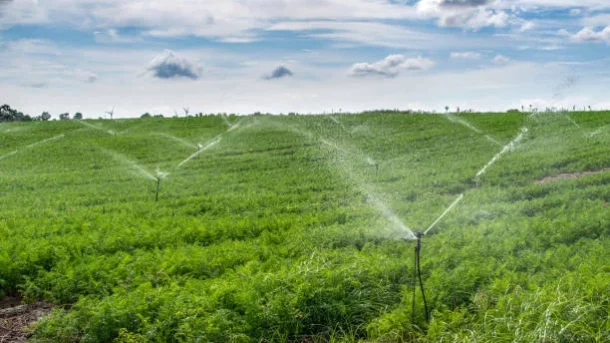
Smart irrigation system can be used with precision irrigation methods as drip irrigation, micro-sprinklers, or precision sprinklers. These methods minimize water loss from evaporation or runoff by delivering water directly to the root zone of plants. These technologies optimize water consumption, eliminate water waste, and boost water efficiency in agricultural operations by accurately directing water application.