Water conservation

How does the adoption of precision agriculture technologies affect farm profitability?

precision agriculture

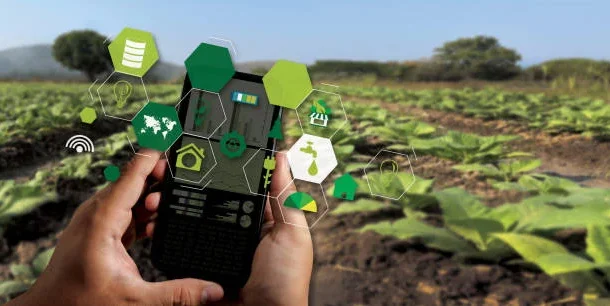
By enhancing productivity, lowering input costs, maximizing resource utilization, and raising yields, the adoption of precision agriculture technologies can have a substantial beneficial influence on farm profitability. Using cutting-edge technology, data analytics, and real-time monitoring, precision agriculture enables knowledgeable and site-specific decisions to be made about farming operations. The following are some ways that implementing precision agricultural technologies can raise farm profitability:

Optimum Resource Use: Precision agricultural technology allow farmers to apply inputs like water, herbicides, and fertilizers precisely where they are needed. Farmers can limit waste and lower input costs, which will result in cost savings and enhanced profitability, by using these resources only where and when necessary.

Increased Yield: Through the use of precision agriculture, farmers can recognize variability in their fields and adjust their management strategies as necessary. This focused strategy can boost crop health and production, resulting in greater yields and more substantial profits.

Reduced Environmental Impact: Precision agriculture can support environmental sustainability by maximizing input utilization and minimizing chemical application. The reputation of the farm and its goods can thus be enhanced, which may result in premium pricing and competitive advantages in the market.

Real-time monitoring: Farmers may access real-time information on crop health, soil conditions, and weather thanks to precision agricultural tools. With the aid of this information, farmers are able to react quickly to shifting environmental factors, avoiding or minimizing potential problems that can adversely affect yields and profitability.
What are the key factors influencing agricultural land prices?

agricultural land

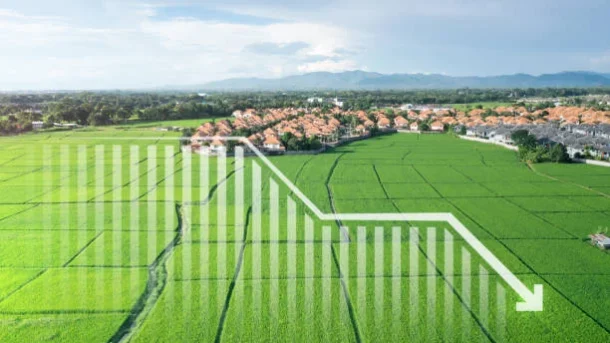
Various variables that depend on the geography, the state of the market, and particular agricultural practices have an impact on the price of agricultural land. A few of the main elements affecting the cost of agricultural land are as follows:

Location: The price of the land is significantly influenced by its location. Agriculture property can be worth more if it is close to urban areas, transit hubs, and other advantages.

Crop Productivity: The land’s productivity, which includes the quality of the soil, the availability of water, and the climate, is a major factor in determining the price of the property. Land that is extremely productive and fertile frequently fetches greater prices.

Demand for Agricultural Products: Farming operations on the land are more profitable when there is a demand for the products they produce. Increased competition for agricultural land might result in higher costs if crop or livestock demand increases.

Economic Situation: Prices for agricultural lands can be influenced by economic variables like interest rates, inflation, and general economic growth. Favorable economic conditions might encourage more investment in agriculture, which would impact land prices.

Government Policies: Government policies, such as taxation, subsidies, and restrictions on land usage, can have an impact on the price of agricultural land.

How does the use of IoT (Internet of Things) technology benefit the agricultural market?

Internet of Things

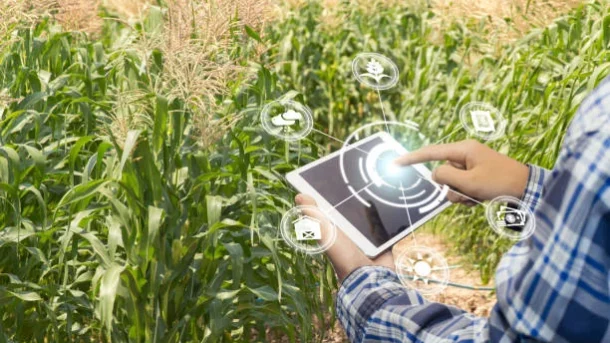
The utilization of IoT (Internet of Things) technology provides creative solutions to multiple difficulties faced by farmers and agribusinesses, which has a number of advantages for the agricultural industry. IoT technology comprises the internet-based integration of sensors, devices, and data analytics to track, gather, and analyze real-time data. IoT has the power to completely change the agricultural industry by increasing productivity, sustainability, and efficiency. IoT helps the agriculture market in the following ways:

Precision Agriculture: Using real-time data, farmers can customize inputs like water, fertilizer, and herbicides to their specific needs. It is possible to precisely and effectively regulate resource use by using sensors to track soil moisture, temperature, and nutrient levels.

Real-time Monitoring: Farmers can use IoT devices to remotely and continuously monitor their crops, livestock, and environmental factors. This aids in making quick decisions and acting quickly in situations like spotting early symptoms of sickness or pests.

Water management: IoT-based irrigation systems can reduce water waste and resource consumption by delivering the appropriate amount of water to crops depending on their individual demands.

Monitoring of livestock: IoT sensors can keep tabs on the condition, activity, and position of livestock, offering information about their well-being, enhancing feeding procedures, and enhancing general herd management.

IoT weather stations capture and communicate weather data, giving farmers precise and localized weather forecasts to help them properly plan their farming activities.

What are the key factors driving the demand for organic agricultural products?

organic agricultural

Recent years have seen a steady increase in the demand for organic agricultural goods, which is being fueled by a mix of consumer preferences, environmental concerns, health issues, and shifting market dynamics. The demand for organic products is rising as a result of several important factors, including:

Consumer awareness of the potential health dangers linked to synthetic chemicals and pesticides used in traditional agriculture is growing, raising questions about their safety and health. As they are produced without the use of synthetic pesticides, herbicides, and genetically modified organisms (GMOs), organic products are seen as safer and healthier.

Environmental Concerns: Customers are increasingly looking for organic goods due to worries about environmental sustainability and the effects of conventional agriculture on ecosystems, soil health, and water quality. Organic agricultural methods put an emphasis on preserving soil biodiversity and using fewer chemicals.

Food Quality and Nutritional Value: According to certain research, organic foods may contain more antioxidants and specific nutrients than foods cultivated conventionally. The belief that organic foods are of higher quality and nutritional worth may increase consumer demand for them.

Concerns regarding food safety have been raised by the use of antibiotics and growth hormones in conventional animal agriculture. These additives are not used in the production of organic animal products, such as organic meat and dairy, making them more appealing to consumers who are concerned about their health.

Natural and non-GMO foods are preferred by customers, therefore organic products are produced without the use of genetically modified organisms (GMOs), which is in line with their tastes.

How are subsidies affecting agricultural production and trade?

agricultural production

The conduct of farmers, the competitiveness of agricultural products on the global market, and the overall dynamics of the agricultural sector are all impacted by subsidies, which have a considerable impact on agricultural production and trade. Subsidies can have complex consequences that change according on the type, size, and particular agricultural situation. Subsidies have the following effects on agricultural commerce and production:

Production Incentives: Farmers are frequently given financial assistance through subsidies, which motivates them to produce more. As farmers are driven to boost production to take advantage of the financial aid, these incentives may result in greater agricultural output and higher yields.

Crop Selection: Some subsidies may be intended for a particular crop or class of goods. This may have an impact on farmers’ choices of crops.

Price Support: By establishing a minimum price for some commodities, price support subsidies seek to stabilize the price of agricultural products. This may effect agricultural production and trade dynamics and production choices, leading to surpluses that affect market pricing globally.

Trade Distortion: Agricultural products with subsidies may be more competitive than those from nations without subsidies since they can be purchased on international markets for less money. This may result in trade conflicts and market distortions that have an impact on farmers’ lives in non-subsidizing nations.

Environmental Impact: Some incentives could encourage behaviors that are harmful to the environment, including using excessive amounts of water or fertilizer. Environmental deterioration and resource depletion may result from this.

What are the challenges in implementing sustainable agricultural practices in developing countries?

implementing sustainable

Economic, social, and environmental considerations might make it difficult to implementing sustainable agriculture techniques in underdeveloped nations. Depending on the unique circumstances of each nation, these difficulties can vary, however some typical roadblocks include:

Limited Access to Resources: In developing nations, smallholder farmers frequently have trouble getting access to basic resources including land, water, high-quality seeds, fertilizer, and agricultural inputs. Adoption of sustainable methods may be hampered by high costs and limited supply.

Financial Restrictions: Many farmers in poor nations have financial restrictions when investing in environmentally friendly techniques and technologies due to their restricted access to credit. They could be unable to buy equipment or implement sustainable practices because of a lack of funding, which could result in higher initial costs.

Education and Awareness: Farmers and rural communities may have insufficient knowledge and awareness of sustainable agriculture practices. The adoption of implementing sustainable practices must be encouraged through educational outreach and capacity-building initiatives.

Traditional Farming Methods: Some rural communities have a strong heritage of using old-fashioned farming techniques that may not be viable. It might be difficult to persuade farmers to switch to new and unorthodox sustainable techniques.

Infrastructure and Technology: The adoption and implementation of sustainable practices can be hampered by inadequate infrastructure, particularly inadequate roadways, transportation, and storage facilities. Farmers can also find it difficult to learn about and use sustainable practices if they have restricted access to technology and the internet.

What are the factors contributing to the rise in vertical farming?

vertical farming

Several elements that make this cutting-edge agricultural method more appealing to farmers, investors, and consumers are behind the development in vertical farming. The following are some of the main causes of the development of vertical farming:

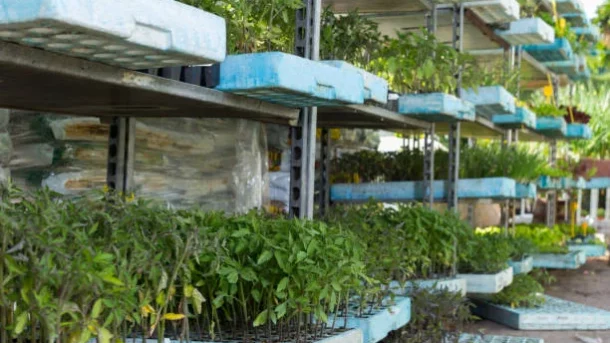
Limited Arable Land: Due to urbanization, soil deterioration, and other factors, there is a decreasing amount of arable land available. When opposed to conventional horizontal farming techniques, vertical farming enables agriculture to be carried out in vertical stacks or levels, using less area.

Urbanization and Population Growth: As the world’s population continues to rise and more people live in cities, there is a rising need for fresh produce that is cultivated nearby. Urban populations can obtain fresh produce from vertical farms that can be erected in or close to cities, cutting down on transit costs.

Climate Change and Extreme Weather Events: As the frequency of extreme weather events like droughts and floods rises, climate change causes problems for traditional agriculture. Vertical farms provide improved climatic resilience and protection against inclement weather because they frequently operate in controlled surroundings.

Water conservation: When compared to conventional open-field agriculture, vertical farming uses much less water thanks to its sophisticated irrigation systems. By precisely delivering water to plant roots, methods like hydroponics and aeroponics help to reduce water waste.

Production All Year Long: Vertical farms may run all year long, regardless of the seasons or the weather. A consistent supply of fresh vegetables is ensured by this ongoing production throughout the entire year.

What are the current trends in sustainable agriculture within the market?

sustainable agriculture

Sustainable agriculture has been gaining traction as a prominent trend within the agricultural business as of my most recent report in September 2021. Growing awareness of environmental issues, climate change, and the need for responsible resource management are what are driving the focus on sustainable practices. I don’t have access to current data, however the following are some significant trends in sustainable agriculture:

Regenerative Agriculture: Through techniques like cover crops, decreased tillage, crop rotation, and integrated livestock management, regenerative agriculture places an emphasis on restoring soil health and biodiversity. It seeks to increase carbon sequestration, water retention, and soil fertility.

Precision Agriculture: To maximize resource utilization, precision agriculture integrates technology, data analytics, and remote sensing. Farmers collect data and apply inputs more effectively by using GPS, sensors, and drones, which minimizes waste and has a positive influence on the environment.

Climate-Smart Agriculture: Climate-smart agricultural methods put an emphasis on adjusting to and minimizing the consequences of climate change. This entails choosing agricultural varieties that are resistant to climate change, employing water-saving measures, and applying climate-friendly animal management.

Organic farming: Consumer desire for food that is free of chemicals, environmentally friendly, and socially responsible is what is driving this movement.

Agroforestry and silvopasture: By combining trees and shrubs with crops or livestock, agroforestry can conserve the land while also preserving biodiversity and generating additional income.

What role does technology play in the modern agricultural market?

modern agricultural market

The modern agricultural market is transformed by technology, which has completely changed how farming and agribusiness are performed. Agtech, or improvements in agricultural technology, has the potential to increase profitability, productivity, and sustainability in the industry. Here are a few crucial functions that technology has in the contemporary modern agricultural market:

Precision farming: To gather information on soil conditions, weather patterns, and crop health, precision farming uses technology like GPS, sensors, drones, and satellite photography. Farmers can optimize inputs like water, fertilizer, and pesticides thanks to this data-driven methodology, which leads to higher yields and less resource waste.

Internet of Things (IoT): IoT devices are being used more frequently in agriculture to monitor and manage a variety of operations, from animal health monitoring to irrigation and temperature control. Real-time data collecting is made possible by IoT, which improves productivity and decision-making.

Data analytics and artificial intelligence (AI): By processing enormous amounts of agricultural data, data analytics and AI technologies support farmers in making data-driven decisions. In order to forecast crop yields, spot disease outbreaks, optimize planting times, and better manage farm operations, machine learning algorithms may analyze data from numerous sources.

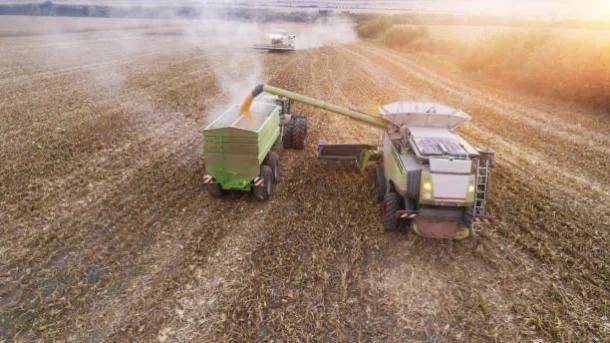
Automation and robotics in agriculture: Planting, harvesting, weeding, and pruning are just a few of the jobs that agricultural robots are made to do. Automation eliminates the need for human work, boosts productivity, and can help with the agricultural industry’s labor issue.

How does climate change affect the agricultural market?

climate change

The agricultural market is significantly impacted by climate change, which has an impact on many facets of agricultural production, distribution, and commerce. Changes in crop yields, commodities prices, and the world’s food supply may result from these effects. The agriculture market is impacted by climate change in the following ways:

Crop Yields and Productivity: As temperatures and precipitation patterns change due to climate change, severe weather events including droughts, floods, heat waves, and storms may become more often and intense. These harsh weather conditions may have a significant effect on crop production and yields, which would decrease the market’s supply of agricultural products.

Changes in Growing Seasons and Geographic Distribution: Changing climate conditions can change the best times for crops to grow and also affect which areas are suitable for agriculture. Farmers may need to adjust by switching to other crop kinds or altering planting and harvesting times.

Changes in precipitation patterns and rising temperatures may have an impact on the availability of water for irrigation. Water shortages can hinder agricultural output, resulting in lower crop yields and more expensive production.

Pests and diseases: Pests and diseases that damage crops and livestock might shift in their range and frequency as a result of climate change. There could be an increase in the usage of pesticides and veterinary medications due to the emergence of new or more aggressive diseases and pests, which could have an impact on production costs and product quality.