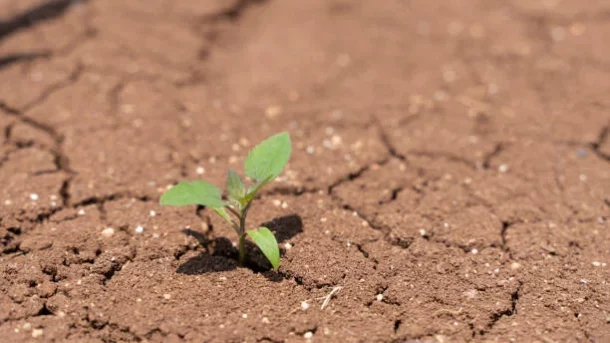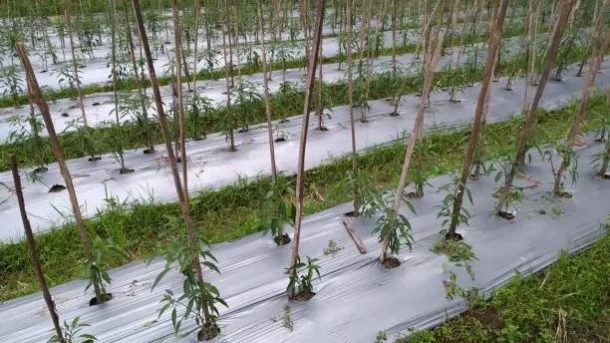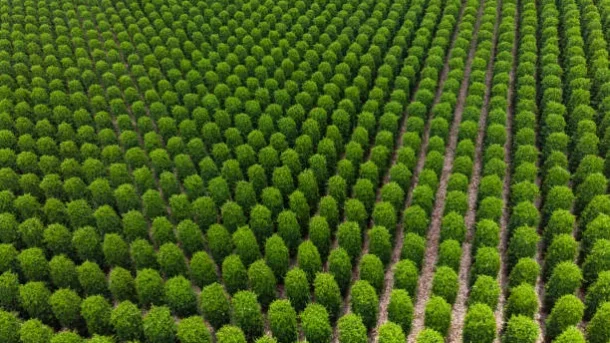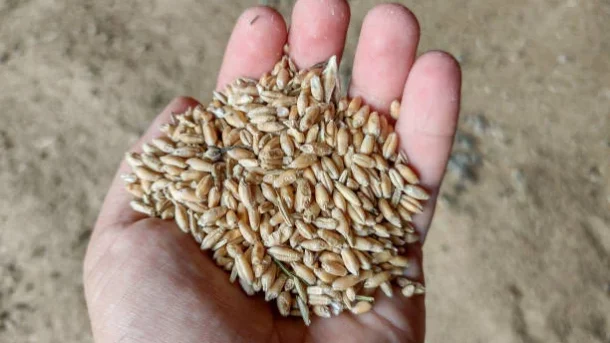
Reduced output potential: To increase crop and livestock productivity, high-quality seeds and breeds are crucial. They have attractive qualities such a high potential for yield, resilience to disease, tolerance for environmental stress, and enhanced nutritional value. Farmers can be forced to use conventional varieties or local breeds that may have lesser production potential and be more vulnerable to pests, illnesses, and unfavorable climatic conditions if they lack access to high-quality seeds and breeds. Lower crop or livestock yields and decreased agricultural production may follow from this.
Exposure to pests and diseases: High-quality seeds and breeds frequently have tolerance for or resistance to the typical pests and diseases that are widespread in a given area. Farmers who don’t have access to these seeds and breeds may be more susceptible to disease outbreaks and insect infestations. This
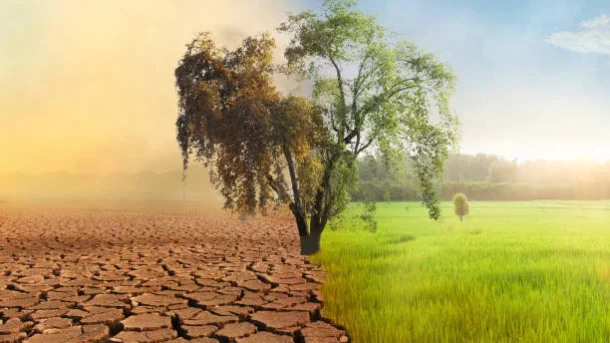
Limited ability to adjust to changing climatic conditions: Agriculture is being challenged by changes in temperature and precipitation patterns brought on by climate change. For farmers to retain production and resilience, it is essential to use high-quality seed and breeds that are specifically bred or selected for their capacity to adapt to changing climatic circumstances. Farmers may find it difficult to modify their agricultural operations to the changing climate without access to these seeds and breeds, rendering them more vulnerable to crop failures and decreased animal productivity.
Limited genetic diversity: High-quality seeds and breed help agricultural systems maintain their genetic diversity. Because it offers a larger pool of genetic features that can help crops and livestock adapt to shifting environmental conditions and new threats, genetic diversity is crucial for the resilience of agricultural systems.