pest management

 What are the advancements in biological pest control methods?

biological

Biopesticides: These biological chemicals come from living things like fungi, bacteria, plants, and other microbes. There have been significant improvements in the creation and use of biopesticides. These products are less damaging to the environment and beneficial organisms while yet being able to target certain pests. Examples include mycoinsecticides based on entomopathogenic fungi and Bacillus thuringiensis products that target insect pests.

IPM (Integrated Pest Management) strategies have advanced with the addition of biological control techniques. IPM integrates a number of pest management techniques, such as biological control, cultural practises, monitoring, and the prudent application of chemical pesticides. Combining other IPM techniques with the use of beneficial insects—such as predatory mites, parasitoids, and nematodes—has proven to be an efficient way to manage pests while using the fewest chemicals possible.

Biological control is the use of living organisms to suppress pest populations, making them less damaging than they would otherwise be. Natural enemies of insects play an important role in limiting the densities of potential pests. These natural enemies include predators, parasitoids, and pathogens.
How are drones used for spraying pesticides and fertilizers?

spraying

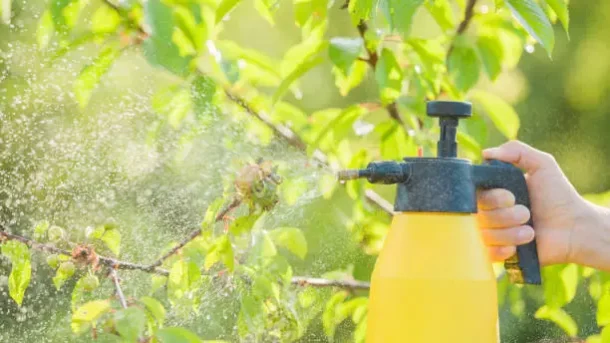
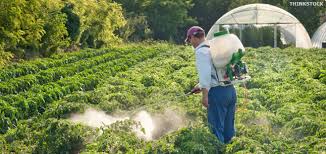
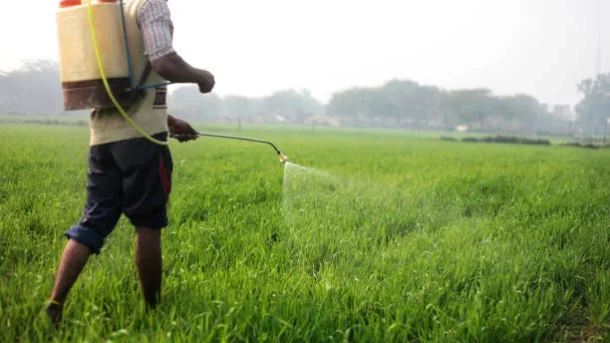
Aerial Application: Drones can spraying transport and disperse pesticides or fertilizers over agricultural fields when outfitted with properly engineered spray systems, which include tanks, pumps, and nozzles. These drones discharge the spray mixture in a controlled manner while flying at a predetermined altitude over the crop canopy. Multiple nozzles that release tiny droplets from the spray system may be used to provide even coverage and reduce drift.

Drones’ ability to fly at low altitudes and adhere to predetermined flight paths allows them to be used in precise applications. Drones are capable of precise navigation and can maintain a constant spray pattern thanks to internal GPS and sophisticated flight control technologies. This accuracy ensures focused coverage of the crops or particular areas of interest, minimises waste, and lowers the chance of overapplication.

Drones’ adaptability and accessibility allow them to enter spaces that could be difficult or hazardous for conventional machinery or human operators to enter, such as fields with uneven shapes or steep slopes covered in dense vegetation. Farmers can efficiently spray crops in difficult locations and make the best use of their property by using drones.

Reduced Human Exposure: By removing the need for human operators to come into close touch with pesticides or fertilisers during spraying operations, drones add an extra layer of protection. When harmful or dangerous substances are used, this serves to safeguard the operators’ health and safety.

How is artificial intelligence being applied in pest management?

artificial intelligence

Artificial intelligence-based systems can identify and detect pests by analysing photos or sensor data gathered from fields. Using photos or videos taken by drones, cameras, or sensors, computer vision algorithms can identify pest species, damage signs, or pest activity patterns. This makes it possible to identify pests early and supports farmers in acting quickly to stop the spread of such pests.

In order to forecast and predict pest outbreaks, AI systems can process data from a variety of sources, including weather patterns, crop phenology, and insect population dynamics. AI algorithms can produce precise pest risk assessments by examining historical data and real-time inputs, assisting farmers in foreseeing pest outbreaks and organising preventative measures. Through focused therapies made possible by this proactive strategy, there is less need for

Artificial intelligence-powered decision support systems give farmers access to real-time information and pest management advice. These systems combine information from several sources, such as historical records, crop status, pest monitoring data, and weather forecasts. AI algorithms can use this data to analyse pest management procedures that are most effective, such as when and how much to apply pesticides, cultural norms, or biological control techniques. This helps farmers make wise judgements, use less pesticides, and have a smaller negative environmental impact.

How are weather prediction models used in agriculture?

prediction models

Weather prediction models offer information about expected weather patterns, including temperature, precipitation, wind speed, and humidity. This knowledge can be used by farmers to plan and modify planting dates, choose the right crop kinds, and control irrigation and fertilization practices. Farmers can maximize crop growth and reduce hazards by planning activities around anticipated weather conditions.

Irrigation management: By predicting rainfall and calculating crop water needs, weather prediction models assist farmers in optimizing their irrigation practises. Farmers can select the best times and amount to irrigate their fields by considering forecasted precipitation and evapotranspiration rates. By doing this, it is possible to avoid under- or over-irrigation, conserve water, and guarantee that crops receive the right amount of moisture for healthy growth.

Management of Pests and Diseases: Weather has a big impact on population dynamics. Several learning models such as ensemble learning , machine learning and deep learning  were utilized for the prediction of weather conditions and soil nutrient analysis suitable for crops

 What are the best practices for managing pests and diseases in crops?

best

The best way to control both pests and diseases is to keep plants healthy.

Build healthy soil. Healthy soil provides a home to friendly insects and helps prevent many plant disease.Plant resistant varieties. Ask farmers or extension agents about seeds to make sure the ones you choose are resistant to common pests and diseases.

Space plants correctly. Planting crops too close together limits the sunshine and air that reaches the leaves, and allows diseases to thrive. But planting crops farther apart leaves room for weeds, dries the soil, and may reduce the harvest. Experiment to see what spacing works best for each crop.

Plant at the right times. Pests and diseases often respond to the weather, such as the first rains or the first warm day. Watching how each crop grows and talking with other farmers about these patterns can help you decide the best time to plant. Planting earlier than usual can make sure crops are big enough to resist pests or diseases that come at a certain time. Planting later can cause most of the pests or diseases to die out for lack of food.Plant a variety of crops and change crop patterns. Large areas with only 1 kind of plant attract pests who like that plant.

Water from below. Watering from above can cause diseases that live in soil to splash onto plants. And wet leaves and stems are good places for diseases to grow. Using drip irrigation or flood irrigation can keep plant leaves and stems healthy.

Ashy stem blight disease in Dolichos bean crop (Arka)

stem

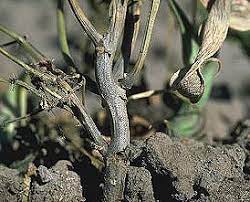
Ashy stem blight is a common disease that affects Dolichos bean (Arka) crops. The disease is caused by the fungus Phomopsis vexans, which can infect the stems, leaves, and pods of the plant.

Symptoms of the disease include brown or black lesions on the stem, which can cause the stem to become brittle and break easily. The leaves may also develop yellow spots, and the pods may become discolored and deformed.

To control the spread of the disease, it is important to implement proper cultural practices such as crop rotation, removing infected plant debris, and avoiding overhead irrigation. Additionally, fungicides can be applied to help control the spread of the disease, with thiophanate methyl and vitavax reduced incidence significantly. Treating the seeds with captan, thiram or benlate is also helpful in reducing the disease( usually 3g/kg og seeds). Organic control implement by treating the seed with biocontrol agents like Trichoderma viride, Pseudomonas fluorescens and Bacillus subtilis show the results. 

How fumigation used in agriculture?

Fumigation

Fumigation is a pest control method used in agriculture to eliminate or control harmful insects, pathogens, and other pests that can damage crops. It involves the use of gaseous or vaporized chemicals, called fumigants, which are applied to soil or stored grain to kill or control pests.

There are different types of fumigation methods, each of which uses a specific type of fumigant and application method. Some common fumigants used in agriculture include methyl bromide, phosphine, and sulfuryl fluoride.

Soil fumigation is a common pest control method for crops such as strawberries, tomatoes, and peppers. The fumigant is applied to the soil before planting, and it penetrates the soil to kill pests that live in or on the soil, such as nematodes, root-knot nematodes, and fungal pathogens.

Grain fumigation is used to control pests in stored grain, such as grain bins or silos. The fumigant is introduced into the grain storage facility to eliminate insects and other pests that can infest and damage stored grain.

Fumigation is an effective pest control method, but it is also highly toxic and requires careful handling and application.

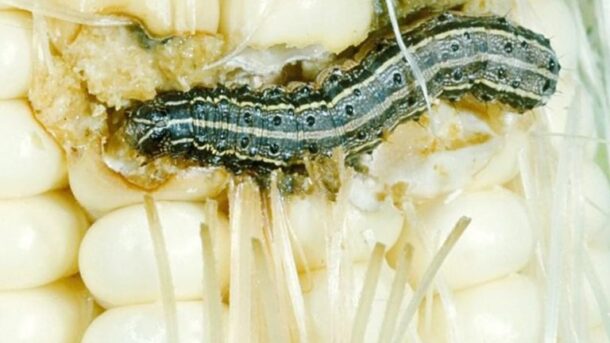
Treatment of four spotted fall armyworms in Sweet  corn.

armyworms

Control of Four-spotted Fall Armyworms can be achieved through a combination of cultural, biological, and chemical methods. Cultural methods include crop rotation, removal of crop residue, and planting of early-maturing varieties of maize..

  • Apply neem cake @ 250 kg/ha at the time of new sowing of the crop in soil. Install one light trap in the field. 
  • Do not take maize after maize crop. Follow crop rotation. 
  • Collect & destroy the egg masses mechanically. 
  • On initiation of the infestation, spray neem base formulation @ 40 ml (1500 ppm) to 10 ml (10000 ppm) per 10 liter of water.
  • On higher incidence, spray chlorpyriphos 20 EC 20 ml or spinosad 45 SC 3 ml or emamactin benzoate 5 SG @ 4 g or chlorantraniliprole 18.5 SC 3 ml per 10 liter of water. See that leaf whorl should be properly covered with spray.

In addition to these control measures, farmers can also take steps to prevent the spread of Four-spotted Fall Armyworms. This includes regularly scouting their fields, early detection and reporting of infestations, and avoiding the movement of infested plant material.

It is also important for farmers to be aware of the potential for insecticide resistance and to implement integrated pest management strategies to minimize the risk of resistance development. 

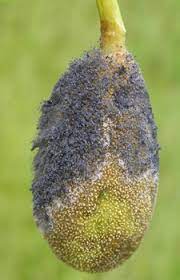
What is the Soft rot or fruit rot in jackfruit?

jackfruit

Soft rot, also known as fruit rot, is a common problem that affects jackfruit trees. It is caused by various types of bacteria and fungi, including Erwinia carotovora, which thrive in warm and moist environments. Some of the common symptoms of soft rot in jackfruit include:

  • Decay of the fruit: The fruit begins to soften and develop a watery texture, with a foul odor.
  • Discoloration: The affected area of the fruit turns brown or black, and the surrounding skin becomes sunken and wrinkled.
  • Spread: The decay can spread quickly to other parts of the fruit and even to other fruits on the same tree.

To prevent soft rot in jackfruit, it is important to practice good agricultural practices, such as proper spacing of trees, proper pruning, and maintaining good soil drainage. Harvesting fruits when they are mature but still firm, and avoiding injury to the fruits during harvesting can also help prevent soft rot.

Infected fruits should be removed and disposed of promptly to prevent the spread of the disease. Proper sanitation, including cleaning and disinfecting tools and equipment, can also help to prevent the spread of bacteria and fungi.

If the problem is severe, chemical control with fungicides may be necessary. However, it is important to follow the label instructions carefully to ensure effective control and minimize potential harm to the environment and human health.

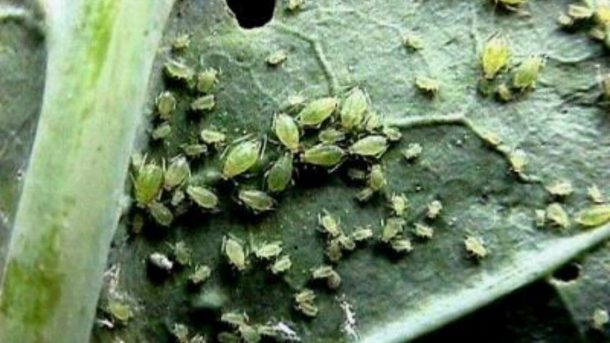
How aphids damage fennel farming?

aphids

Aphids can damage fennel farming by feeding on the sap of fennel plants, causing stunted growth and wilting. They also secrete a sticky substance known as honeydew, which can promote the growth of sooty mold and attract other pests. 

In severe infestations, aphids can weaken the plants and reduce crop yields. To prevent aphid damage in fennel farming, spray dimethoate 30 EC @ 10 ml per 10 lit of water on 50 percent plants having flowering.The higher activity of honeybees is observed during 12 noon to up to 4.00 evening and hence avoid the spraying during this period.