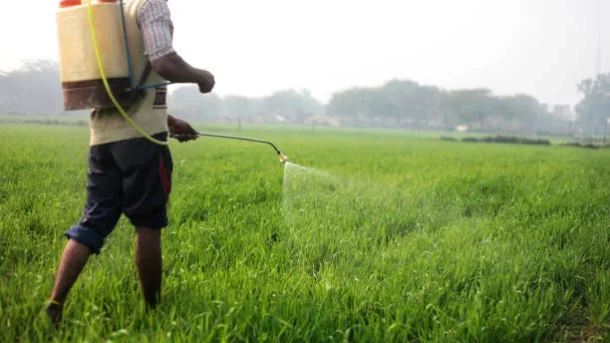
Aerial Application: Drones can spraying transport and disperse pesticides or fertilizers over agricultural fields when outfitted with properly engineered spray systems, which include tanks, pumps, and nozzles. These drones discharge the spray mixture in a controlled manner while flying at a predetermined altitude over the crop canopy. Multiple nozzles that release tiny droplets from the spray system may be used to provide even coverage and reduce drift.
Drones’ ability to fly at low altitudes and adhere to predetermined flight paths allows them to be used in precise applications. Drones are capable of precise navigation and can maintain a constant spray pattern thanks to internal GPS and sophisticated flight control technologies. This accuracy ensures focused coverage of the crops or particular areas of interest, minimises waste, and lowers the chance of overapplication.
Drones’ adaptability and accessibility allow them to enter spaces that could be difficult or hazardous for conventional machinery or human operators to enter, such as fields with uneven shapes or steep slopes covered in dense vegetation. Farmers can efficiently spray crops in difficult locations and make the best use of their property by using drones.
Reduced Human Exposure: By removing the need for human operators to come into close touch with pesticides or fertilisers during spraying operations, drones add an extra layer of protection. When harmful or dangerous substances are used, this serves to safeguard the operators’ health and safety.