pest management

Causes and treatment for Clove rot in garlic.

Clove rot

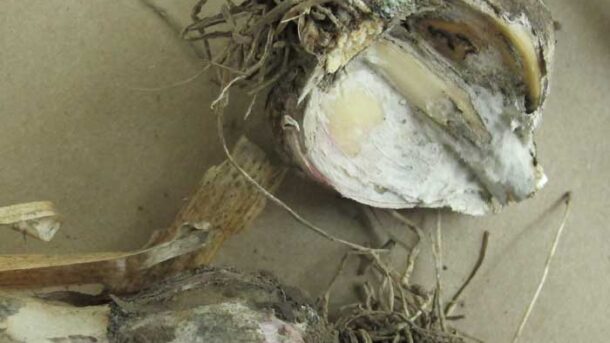
Clove rot is a fungal disease that affects garlic bulbs and can cause significant yield losses. The disease is caused by the fungus Fusarium oxysporum and is most commonly found in warm and humid growing conditions.

The following are some of the causes of clove rot in garlic:

  • Overwatering: Excessive moisture in the soil can lead to the development of clove rot.
  • Poor air circulation: Stagnant air can increase the humidity around the garlic bulbs and create an environment favorable for fungal growth.
  • Damaged cloves: Cloves that are damaged during harvesting or storage are more susceptible to clove rots.

To prevent and treat clove rot in garlic, it is important to follow these steps:

  • Proper storage: Store garlic bulbs in a cool, dry place to prevent the growth of fungi.
  • Good sanitation: Clean up any plant debris in and around the garlic beds to reduce the risk of disease.
  • Crop rotation: Planting garlic in the same area year after year can lead to the buildup of fungal pathogens in the soil.
  • Fungicide application: detected, fungicides such as captan or mancozeb can be used to control the spread of the disease.
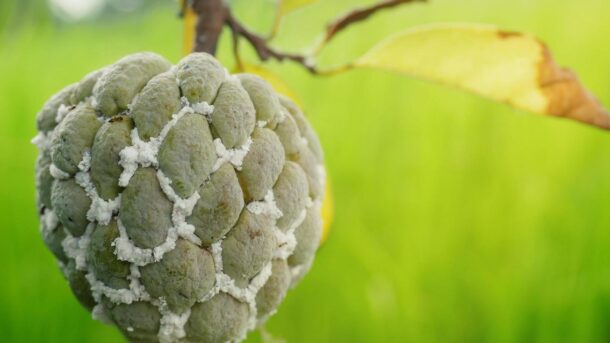
The infestation of Mealybugs in Custard Apple and treatment

Mealybugs

Mealybugs are a type of pest that can infest custard apples and other plants. They feed on the sap of the plant, causing damage to the foliage and fruit, and can also excrete a sticky substance called honeydew which can encourage the growth of sooty mold. 

To control mealybugs, you can try physically removing them by wiping them off with a cloth, or using insecticidal soap or neem oil. Spray BUPROFEZIN 25% SC @ 12 ml/15 lts of water along with a good quality sticker. 

It’s important to keep the plant free of dead leaves and debris, which can harbor the pests, and to monitor the plant regularly for signs of infestation.

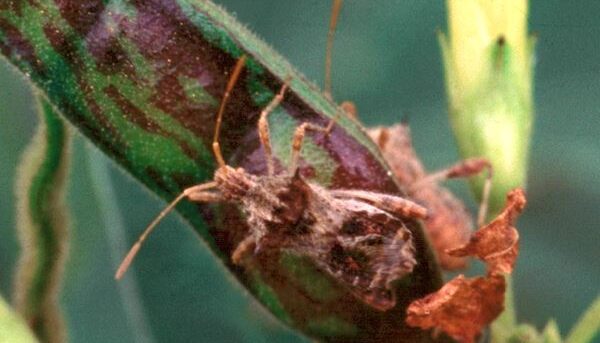
Do you know how pod bugs damage red gram (Tur dal)?

damage

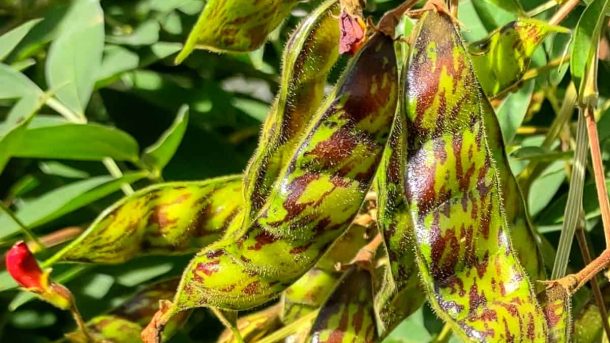
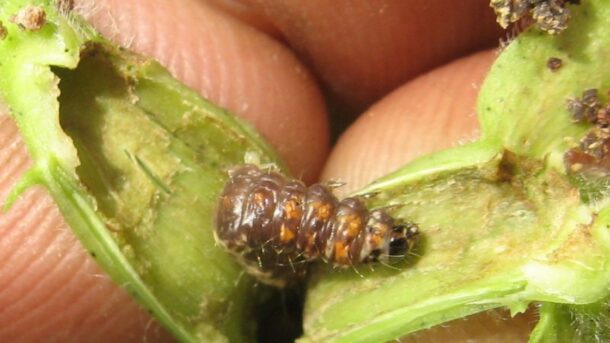
Pod borer insects can cause damage to red gram crops. These pests lay their eggs in the pods of the plant and when the larvae hatch, they feed on the seeds, reducing both the yield and quality of the harvest.To control these pests, farmers can use a combination of cultural, biological, and chemical methods, such as crop rotation, using resistant varieties, and applying insecticides

Application of Spinosad or imidacloprid gives control upon pod bug damage. Spraying of quinalphos 25% EC @ is effective against pod fly and pod borer. Spraying of effective molecule like Indoxacarb 14.5 SC % @ 300 ml/ha or Emamectin benzoate 5% SG @ 11 a.i gm/ha or Spinosad 45 SC @ 56-73 a.i gm/ha is effective against Pod borer complex. 

However, it’s important to implement integrated pest management practices to minimize the negative impact on the environment and human health.

Main Insect pest and their treatment in pigeon pea.

Rajendra Arhar

The main insect pests of pigeon pea and their treatments are: 

Pod borer (Maruca vitrata) and Leaf folder (Cnaphalocrocis medinalis): Chemical control with insecticides such as chlorantraniliprole, emamectin benzoate, or synthetic pyrethroids can be effective in controlling this pest and leaf folders.

Stem fly (Melanagromyza obtusa) and Shoot fly (Atherigona soccata): Crop rotation and the use of insecticides such as imidacloprid, lambda-cyhalothrin, and carbofuran can help manage this pest. 

Termites (Macrotermes spp.): Chemical control with insecticides such as chlorpyrifos or imidacloprid can be effective in controlling termites. Cultural practices such as crop residue removal and soil moisture maintenance can also aid in termite population reduction.

Aphids (Aphis craccivora): Aphids can be controlled by releasing natural enemies such as ladybirds and green lacewings, as well as using insecticides such as imidacloprid or acetamiprid

Thrips (Thrips palmi): The use of resistant varieties, the release of natural enemies such as predatory mites, and the application of insecticides such as spinosad or imidacloprid can all help control thrips.

Nematode elimination in soil by Oilcakes.

Oilcakes

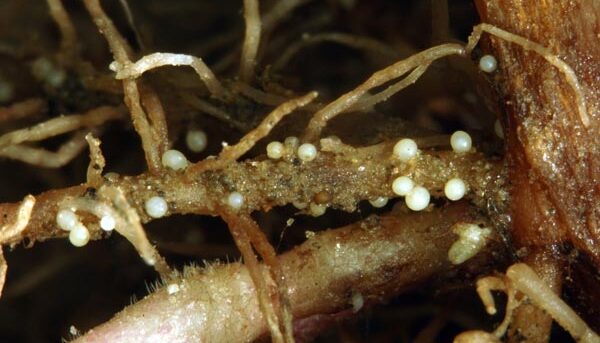
Oilcakes have been shown to have some effectiveness in eliminating nematodes in soil. Nematodes are parasitic worms that feed on plant roots and can cause significant damage to crops.

One of the ways that oilcakes can help eliminate nematodes is through the release of natural compounds such as allelopathic compounds, which are toxic to nematodes and other pests. These compounds are released from the oilcake when it is decomposed by soil microbes.

Another way that oilcakes can help eliminate nematodes is by promoting the growth of beneficial soil microbes, such as fungi, which can help reduce the populations of nematodes in the soil. The high organic matter content of oilcakes can also improve soil structure and fertility, which can help make the soil environment less favorable for nematode survival.

However, it is important to note that the effectiveness of oilcakes in eliminating nematodes can vary depending on the type of oilcake and the nematode species present in the soil.

In summary, oilcake have the potential to be a valuable tool in controlling nematodes in soil, but more research is needed to fully understand their effectiveness and to determine the best application methods.

What is the treatment of spotted bollworm in Lady’s finger (Bhendi) crop?

spotted bollworm

The larvae of the Spotted bollworm (Earias vittella) primarily attack the shoot. It causes terminal shoots to dry and drop during the pre-flowering stage, as well as holes in the fruit during the young fruiting stage.

Bioinsecticide sprays containing Bacillus thuringiensis are used to control the population peak of the spotted bollworm. Spraying with 5% Neem Seed Kernel Extracts (NSKE) or Neem Oil (15000pm) @ 5ml/l is also beneficial.

Insecticides containing chlorantraniliprole, emamectin, benzoate, flubendiamide, or esfenvalerate are primarily used during the egg stage. Before using any chemical treatment, it is essential to consult with a professional and follow the instructions on the pesticide label.

How pheromone traps works in agriculture?

pheromone traps

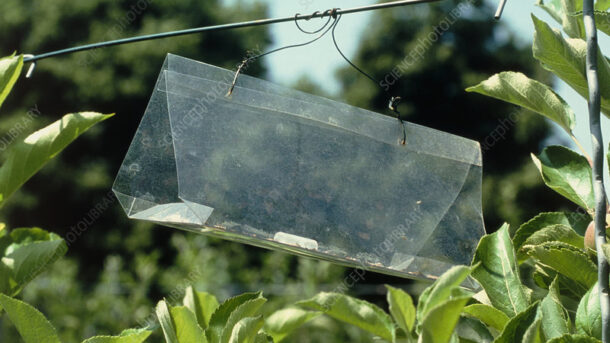
Pheromone traps are a type of trap used in agriculture to monitor and control pest populations. These traps use a synthetic version of a specific pheromone, which is a chemical substance that insects use to communicate with each other. The pheromone used in the trap mimics the natural pheromone of the target pest, attracting the males of the species to the trap.

The traps typically consist of a sticky surface or a container with a liquid attractant. Once the males are attracted to the trap, they become trapped on the sticky surface or in the liquid, preventing them from mating with females and reproducing. The traps can be used to monitor pest populations, as the number of trapped insects can indicate the severity of an infestation.

Pheromone traps are most commonly used for monitoring and controlling moths and beetles, including pests such as the codling moth, the diamondback moth, and the gypsy moth. They can be used alone or in conjunction with other pest control methods, such as chemical insecticides or biological control, to reduce pest populations and minimize crop damage.

It is important to keep in mind that pheromone traps are not a standalone solution and may need to be paired with other control methods to effectively manage pests.

What is the treatment of pink larvae in cotton crops?

cotton

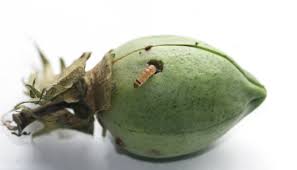
Pink bollworm (Pectinophora gossypiella) is a major pest of cotton crops that can cause significant damage to both the bolls and the leaves of the plant. The pink larva is the immature stage of the pink bollworm and is responsible for most of the damage to the crop.

The primary method of controlling pink bollworm is through the use of chemical insecticides. However, integrated pest management (IPM) strategies that combine multiple control methods, such as biological control, cultural control, and genetic control, can be more effective and sustainable than relying solely on chemical insecticides.

Biological control involves the use of natural predators, parasites, or pathogens to control pink bollworm populations. For example, the use of the Trichogramma wasp, a small parasitic wasp, can be effective in controlling pink bollworm populations. Cultural control involves practices such as crop rotation, early planting, and timely harvesting to reduce the susceptibility of the crop to pink bollworm infestations. Genetic control is another approach where the cotton plant is genetically modified to make it resistant to the pest.

It is important to consult with a professional and follow the instructions on the pesticide label before applying any chemical treatment, also it’s necessary to keep in mind that a combination of these methods is most effective in controlling pink bollworm populations.

What is the Cost of drone pesticide spray across different countries?

different countries

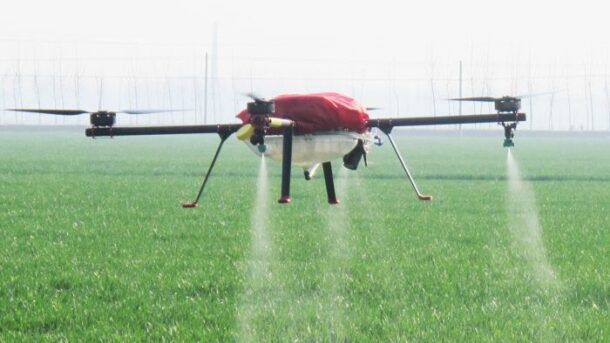
The cost of drone pesticide spraying can vary significantly across different countries, depending on factors such as the cost of labor, the cost of the equipment, and local regulations. In developed countries like the United States, the cost of drone pesticide spraying can range from $10 to $15 per acre, depending on the location and the type of crop. In developing countries, the cost may be lower due to lower labor costs. For example, in India, the cost of drone pesticide spraying ranges from $3 to $5 per acre. In Africa, the cost can be even lower, with some estimates ranging from $1 to $3 per acre. However, these costs may vary depending on the specific location, crop, and company providing the service. It is also important to note that these cost estimates may not include the cost of the pesticides themselves.

What is the Best Method to spray Pesticides on crops?

Best Method

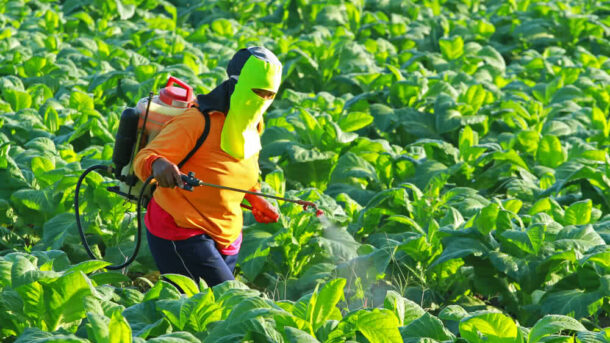
The best method to spray pesticides on crops depends on a number of factors, including the type of crop, the type of pesticide, and the size of the area to be treated. Some common methods include ground spraying, aerial spraying, and drip irrigation. Ground spraying involves applying the pesticide using a backpack or handheld sprayer, while aerial spraying uses an aircraft to apply the pesticide. Drip irrigation involves applying the pesticide through the irrigation system, which can be more precise and reduce waste. It is important to follow the instructions on the pesticide label and to consult with a professional to determine the most appropriate method for your specific situation.