Pesticides

What are the benefits of aquaponics?

aquaponics

Comparing aquaponics to hydroponics or standalone aquaculture, as well as traditional agriculture, there are various advantages. The following are some of the major advantages of aquaponics:

Utilizing resources effectively: By integrating plant and fish cultivation in a symbiotic system, aquaponics increases resource efficiency. By recycling the nutrients in fish waste and using them as fertilizers for plant growth, the demand for external inputs like synthetic fertilizers is decreased. Water is continuously recirculated between the fish tanks and the plant beds in the closed-loop system to reduce water usage. Aquaponics is incredibly sustainable and environmentally benign due to this effective resource usage.

Water usage is decreased since aquaponics need so little water to operate. With just minor water losses from evaporation and transpiration, the system continuously recycles the water. 

Produce that is chemical- and organic-free: Aquaponics encourages organic farming methods because it does away with the need for artificial fertilizers, pesticides, and herbicides. Natural nutrients from fish waste are used by plants to develop, and the plants also serve as a biological filter to clean the water for the fish. Produce produced as a result is chemical-free and naturally cultivated, which may appeal to consumers looking for wholesome and sustainable food options.

Crop production all year round: Aquaponic systems can be installed in climate-controlled spaces like greenhouses or indoor facilities. This makes crop production year-round and independent of seasonal changes and outside weather conditions. Farmers can establish ideal growth conditions by regulating the temperature, humidity, and lighting, providing a steady supply of fresh vegetables all year long.

What is aquaponics?

aquaponics

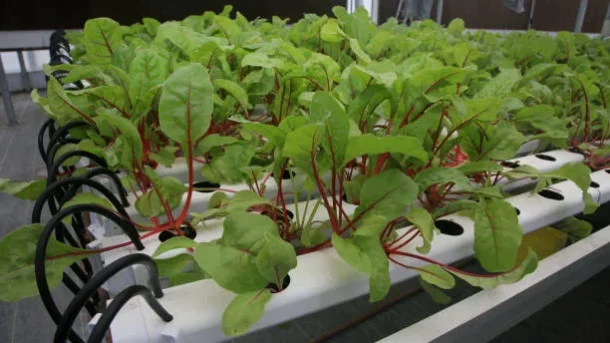
Aquaponics is a sustainable farming technique that integrates hydroponics (soilless plant cultivation) and aquaculture (fish farming) in a mutually beneficial system. In a closed-loop system, the plants serve as a natural filter to clean the fish’s water while the fish’s excrement supplies nutrients to the plants. It is a holistic and environmentally responsible method of food production.

Aquaponics’ main components and advantages include:

Aquaponics uses the nitrogen cycle to recycle nutrients in a closed-loop system. The primary source of nutrients for the plants is fish feces, and when the plants absorb the nutrients, they filter the water and remove dangerous contaminants. Aquaponics is an environmentally sustainable agricultural technique because the closed-loop system decreases nutrient runoff and reduces the need for external fertilizers.

Water efficiency: When compared to conventional agriculture, aquaponics uses a lot less water. The system continuously circulates water, with only a small amount of water being lost to evaporation and transpiration. Due to water conservation and recycling within the system, aquaponics utilizes up to 90% less water than soil-based farming.

Production of fish and plants together is possible with aquaponics, which enables the growth of both in the same system. The plants profit from the nutrient-rich water and grow without soil while the fish serve as a source of protein and earn money. A symbiotic relationship is created when fish and plants are combined in one system, which encourages effective resource use and lowers waste.

Less dependency on outside inputs: Aquaponics reduces the need for artificial fertilizers and pesticides. A natural and organic source of plant nutrients, fish excrement is rich in nutrients. Furthermore, the closed-loop system lessens the possibility of nutrient leaking and runoff, making aquaponic a sustainable and environmentally benign agricultural technique.

How does precision agriculture help increase crop yields?

agriculture

Site-specific management: Precision agriculture collects comprehensive data about particular fields using technology like GPS, sensors, and remote sensing. These details cover crop health, soil properties, moisture content, and nutrient levels. Farmers may apply inputs (such water, fertilizer, and pesticides) precisely where and when they are required, maximizing their use and reducing waste, with the help of this data. Farmers may ensure that crops grow in the best conditions possible, increasing yields, by adjusting inputs to the unique needs of various places within a field.

Application at a variable rate: Farmers using precision agriculture can alter the pace of inputs in different parts of their fields in response to variations in the soil and crop conditions. Instead of evenly dosing insecticides or fertilizers over.

Remote sensing and images: Cutting-edge tools like drones and satellite imagery give farmers up-to-the-minute details on the health, growth, and stress levels of their crops. Farmers can identify early indications of crop illnesses, nutrient deficits, or water stress by studying this data. Farmers can take immediate action to solve these problems, reducing yield losses and maximizing crop productivity, with fast intervention and focused management strategies.

Systems for making decisions: Precision agriculture uses sophisticated systems for making decisions that combine information from many sources, including crop models, soil moisture sensors, and weather forecasts. These systems give farmers useful information and suggestions so they may choose wisely when it comes to planning irrigation schedules, managing nutrients, controlling pests, and planting techniques. Farmers may improve their methods and reduce risks by depending on data-driven decision-making, ultimately.

What is the main objective of the Paramparagat Krishi Vikas Yojana (PKVY)?

Krishi Vikas Yojana

The Paramparagat Krishi Vikas Yojana (PKVY)’s primary goal is to encourage organic farming in India. The Ministry of Agriculture and Farmers Welfare introduced the PKVY program as a government initiative in 2015. The English translation of “Paramparagat Krishi Vikas Yojana” is “Traditional Farming Development Scheme”.

The following are the main objectives of PKVY:

Promote organic farming: The program’s goal is to persuade farmers to switch to organic agricultural methods and lessen their reliance on synthetic pesticides and fertilizers. It aims to promote ecologically friendly, soil-health-supporting sustainable agricultural practices.

Boost farm productivity: PKVY seeks to do this by implementing organic farming methods. These methods emphasize increasing soil fertility through the use of organic manure and compost as well as crop rotation, mixed cropping, and biological pest control strategies.

Produce certification: The program also assists farmers in securing organic certification for their output. This certification guarantees the authenticity and high caliber of organic products while facilitating farmers’ access to premium markets.

Building capacities and providing training: To assist farmers in understanding organic farming methods, managing soil health, and utilizing conventional and local resources, PKVY offers training, capacity building, and technical assistance. The program seeks to equip farmers with the information and abilities they need to successfully implement organic farming.

What is the main objective of the Integrated Pest Management (IPM) scheme?

Pest Management

The primary goal of the Integrated Pest Management (IPM) program is to advance environmentally responsible and sustainable pest management techniques in agriculture. In order to achieve successful and long-term pest control, IPM focuses on reducing the usage of chemical pesticides and adopting a holistic approach to pest management.

The Integrated Pest Management (IPM) program’s primary goals are as follows:

Reduced use of chemical pesticides: The program promotes non-chemical pest control methods in an effort to lessen agriculture’s reliance on chemical pesticides. This aids in reducing the harmful effects of excessive pesticide use on the environment and human health.

IPM encourages the blending of several pest management techniques in order to achieve long-term pest control. It incorporates cultural customs, biological means of pest control, the use of resistant cultivars.

Monitoring and surveillance of pests: The plan places a strong emphasis on regularly keeping an eye on pest numbers in agricultural fields. This aids in the prompt detection of pest outbreaks, comprehension of their life cycles, and selection of effective management methods.

Dissemination of knowledge: The IPM program focuses on educating farmers, extension agents, and other agricultural stakeholders while also offering technical guidance. It encourages the sharing of information on IPM strategies, pest identification, monitoring systems, and effective pest management procedures.

What role do bats play in agriculture, especially in terms of pest control and pollination?

pest

Bats are voracious insect eaters, and the majority of the insects they consume are nocturnal. Many of these pest insects harm crops and lower yields in agriculture. Bats assist in naturally reducing pest populations by eating a lot of insects. As a result, fewer chemical pesticides are required, which is better for the environment and everyone’s health. The ability of bats to control pests is especially useful in tropical areas with high bug populations.
Some bat species play a vital role in pollination, particularly in tropical and subtropical areas. They had a common ancestor with several plant species that depend on bat pollination. Frequently, the huge, fragrant flowers on these plants bloom at night, when bat activity is greatest. Bats unintentionally spread pollen from flower to bloom as they consume nectar, assisting in the fertilization process. Bats and the plants they visit benefit from this reciprocal interaction. Many economically significant plants, including agave, bananas, mangoes, and guavas, rely on bat pollination to reproduce.

It’s important to note that due to the diversity of their diets and foraging habits, not all bat species participate in pollination or pest control. However, bats generally contribute significantly to agriculture by providing natural pest control.

What role do genetically modified (GM) seeds play in modern agriculture, and what are the associated benefits and concerns?

genetically modified

Resistance to pests and illnesses: Genetically modified (GM) seeds can express characteristics that render crops resistant to specific pests, insects, or diseases. This may lessen the need for chemical pesticides, resulting in lower production costs, less pesticide use, and perhaps less negative effects on the environment.

Herbicide tolerance: Some Genetically modified (GM) crops have been designed to withstand a certain class of herbicides. This makes it possible for farmers to employ more effective weed management techniques by utilizing pesticides that target the weeds without hurting the crop.

Productivity gains: Through features like higher photosynthesis, nitrogen uptake, or stress tolerance, GM crops may have increased yield potential. To satisfy the rising demand for food around the world, this can help enhance crop productivity and food output.

Increased nutritional value: Genetically modified (GM) crops can be altered to have more nutritional value, such as higher vitamin or mineral concentrations. This has the ability to treat certain nutrient deficits in some areas and enhance outcomes for public health.

What are the issues related to food safety and quality control in the agricultural sector?

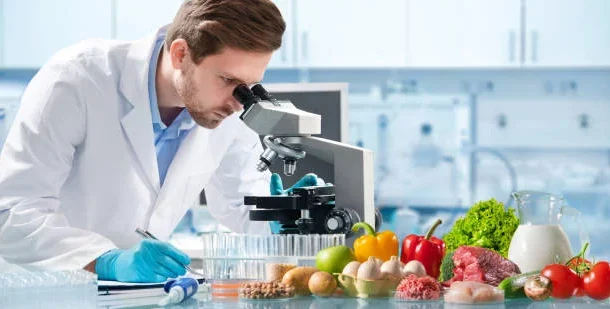
Contamination of Agricultural Products: Production, processing, shipping, and storage are just a few of the processes where agricultural products may get contaminated. Pathogens, pesticides, heavy metals, mycotoxins, and chemical residues are only a few examples of contaminants. Poor farming methods, inappropriate pesticide use, poor sanitation, and a lack of hygiene standards can contaminate food crops and endanger the health of consumers.

Consuming contaminated food can lead to foodborne illnesses, which can be harmful to human health and even be fatal. Salmonellosis, E. coli infection, listeriosis, and other ailments can be brought on by pathogenic bacteria, viruses, parasites, and other dangerous microbes. During production, processing, and handling, inadequate food safety procedures can increase the risk of contracting foodborne illnesses.

Lack of Traceability and Transparency: Traceability is essential for tracking agricultural products’ origin and transit along the supply chain. It assists in locating the cause of any contamination or quality problems and, if necessary, permits prompt recalls. Effective quality control and response to food safety issues can be hampered by inadequate traceability systems and limited supply chain transparency.

Limited Technical Capacity: Many small-scale farmers and producers in developing countries might not have enough financial or technical resources to put in place effective quality control methods. The ability to identify and address quality and safety problems in agricultural goods might be hampered by a lack of access to testing facilities, suitable tools, and qualified employees.

How does the limited availability of land and competition for resources impact agricultural sustainability?

Agricultural sustainability is significantly impacted by the limited land supply and competition for resources in a number of ways.

Land degradation: Due to the scarcity of arable land, agricultural activity may be expanded into remote or ecologically delicate places. This growth may accelerate land degradation, which includes habitat loss, deforestation, soil erosion, and loss of soil fertility. Agriculture’s long-term sustainability and productivity are threatened by land degradation.

Overuse of resources and intensification of production: Increasing food demand and a lack of available farmland are two factors that frequently result in agricultural output being intensified. Increased use of fertilizers, pesticides, and irrigation are some of the methods used in intensification to maximize yield from scarce land resources. Water pollution, for example, can result from the misuse or excessive usage of natural resources.

Loss of Biodiversity and Ecosystem Services: Due to a lack of available land, natural habitats like wetlands and forests may be turned into agricultural land. This conversion results in the loss of ecosystem services including pollination, pest management, soil nutrient cycling, and climate regulation, as well as biodiversity. A decrease in agricultural output, an increase in the need of synthetic inputs, and a decrease in the ability of agricultural systems to withstand environmental pressures can all result from the loss of these services.

Conflicts between multiple land uses, including agriculture, urbanization, infrastructure development, and conservation, might arise due to the limited amount of available land.

How does the limited access to affordable and environmentally friendly farm inputs hinder sustainable agriculture?

farm inputs

Sustainable agriculture may be hampered by the restricted availability of inexpensive and ecologically acceptable farm inputs in a number of ways:

Restricted Adoption of Sustainable Practises: Environmentally friendly inputs including organic fertilisers, biopesticides, and biological control agents are frequently needed in sustainable agriculture. Farmers may, however, turn to traditional inputs that might have detrimental environmental effects, including synthetic fertilisers and chemical pesticides, if these inputs are not easily accessible or reasonably priced. Farmers’ inability to adopt and put into practise sustainable practices is hampered by limited availability to sustainable inputs, which jeopardises agriculture’s overall sustainability.

Degradation of the soil and nutrient imbalance: Sustainable agriculture emphasises the need of preserving the fertility and health of the soil. Farmers may, however, significantly rely on synthetic fertilizers if they don’t have access to inexpensive organic fertilizers and soil amendments.

Increased Production prices: Compared to conventional inputs, environmentally friendly inputs like organic fertilizers or biological pest control agents may have higher upfront prices. Farmers’ production costs may rise as a result of limited access to inexpensive solutions, making sustainable practices unprofitable. The adoption of sustainable farming practices by farmers may be discouraged as a result, and the shift to more environmentally friendly production systems may be hampered.

Dependence on External Inputs: A cycle of dependence on external inputs can be sustained by limited availability to inexpensive and sustainable farm inputs. Due to increased reliance on pricey synthetic fertilisers, toxic pesticides, and other external inputs, farmers may experience greater production costs, decreased profitability, and increased market vulnerability. Additionally, it hinders the capacity of farmers to build resilience and self-sufficiency within their farming systems.