Pesticides

What are the issues related to food security and nutrition in the context of agriculture?

food security

Inadequate production and distribution: Agriculture is a key component of food production, although productivity can be hampered by issues including poor access to resources, land degradation, and climate change. Food shortages and food insecurity may result from inadequate agricultural production. Additionally, ineffective food distribution methods and restrictions to market access can lead to uneven food distribution, aggravating problems with nutrition and food security.

Lack of availability to wholesome food: Even in situations where food is readily available, many people experience difficulties obtaining a variety of wholesome foods. The ability of individuals to acquire and receive wholesome food may be hampered by poverty, income disparity, and restricted access to markets.

Micronutrient deficiencies and malnutrition: Malnutrition includes both overeating and undereating. Inadequate nutrient and calorie intake can lead to undernutrition, which includes stunting, wasting, and underweight. Contrarily, overnutrition refers to the excessive ingestion of calories, which frequently leads to obesity and non-communicable diseases associated with diet. Deficiencies in micronutrients, such as a lack of vitamins and minerals, are another major obstacle to proper nutrition. These types of malnutrition and deficits in micronutrients can be attributed to inadequate availability to a variety of nourishing foods.

Unsustainable agricultural practices: Some agricultural methods, particularly extensive monoculture farming, excessive pesticide usage, and poor land management, can have a negative impact on nutrition and food security. These actions may result in soil degradation, biodiversity loss, and water resource contamination.
What are the problems caused by the overuse and mismanagement of water resources in agriculture?

overuse

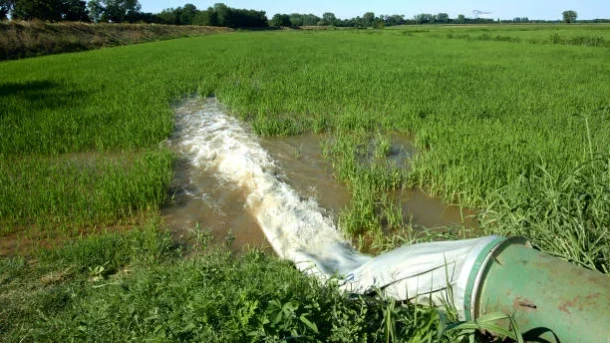
Water scarcity: Agriculture uses a lot of water, and when water supplies are depleted due to overuse in farming, there will be less water available. The depletion of aquifers, reduced river flows, and the drying up of lakes and wetlands can be caused by excessive groundwater pumping, excessive irrigation, and ineffective water management techniques. Water scarcity affects the sustainability of water supplies, poses problems for farmers in irrigated areas, and limits the amount of water available to other industries and ecosystems.

Reduced water quality: Poor agricultural water management techniques, such as overusing pesticides and fertilizers, can cause water pollution. Eutrophication, algal blooms, and water quality degradation can result from sediment, nutrients, and chemical residues carried by runoff from agricultural areas.

Soil salinization: The buildup of salts in the soil decreases its fertility and agricultural output. Over-irrigation and inadequate drainage practices might be contributing factors. In dry and semi-arid areas, when evaporation rates are higher than rainfall and salts are left in the soil, salinization is particularly prevalent. Plant development is restricted by salinization, which also necessitates expensive and labor-intensive procedures to reclaim and rehabilitate impacted soils.

Groundwater depletion: In places with a shortage of surface water supplies, agriculture heavily depends on groundwater for irrigation. Aquifers may be drained by over pumping groundwater for agricultural purposes. Aquifers become dry, the water table falls, and farmers find it challenging to acquire water for irrigation.

What are the issues related to food sovereignty and the dominance of large corporations in the agricultural sector?

food

Loss of control: When big businesses rule the agriculture industry, they have a huge influence on many facets of the food chain. Inputs used in agriculture, processing facilities, distribution systems, and retail establishments are all included in this regulation. Because of this, farmers and customers have little influence over decision-making, which may limit their capacity to regulate what is produced, how it is produced, and how much food is sold for.

Concentration of power: The agricultural industry has become dominated by a small number of powerful firms. A power imbalance between corporations and consumers as well as between corporations and farmers may come from this concentration. It may result in unjust pricing, exploitational business methods, and a lack of options.

Loss of biodiversity: Big businesses frequently support monoculture agricultural methods, in which a few number of high-yielding crop varieties are grown extensively. As traditional and locally adapted crop types are replaced by genetically uniform hybrids or genetically modified organisms (GMOs), this emphasis on uniformity and high production could result in a loss of biodiversity. Because of the reduction in biodiversity, agricultural systems are less resilient and farmers and customers have fewer options.

Dependence on outside inputs: Major agricultural businesses frequently encourage the use of their exclusive seeds, chemical fertilizers, pesticides, and other inputs. As a result, farmers may become dependent on these businesses for their farming operations and become dependent on outside inputs and technologies.

How does the limited availability of land and competition for resources affect agricultural expansion?

agricultural

Land scarcity: As the world’s population rises, there is a finite amount of land that can be used for agriculture. The amount of land that is accessible for farming generally decreases as a result of urbanization, industrialization, and infrastructural development that frequently encroach on agricultural land. The lack of available land makes it difficult to increase agricultural production and satisfy the rising food demand.

Land degradation and intensification: To optimize output from scarce land resources, farmers may turn to increasing agricultural practices in response to a lack of available farmland. This may entail using more fertilizers, herbicides, and machinery. However, if intensive farming methods are not managed responsibly, they can result in soil erosion, land degradation, and loss of soil fertility, further reducing the potential for development.

Water scarcity: Another barrier to agricultural expansion is competition for limited water supplies. The supply of irrigation water for agriculture is decreased by water shortage, which is made worse by climate change and rising water demands from other industries. Crop growth, yields, and the expansion of farming operations can all be hampered by a lack of water supplies.

Access to inputs: The spread of agriculture may be hampered by a lack of resources like seeds, fertilizer, and pesticides. Prices for these inputs may increase due to high demand and fierce competition, making them less accessible and affordable, especially for small-scale farmers. The expansion of agricultural activity is restricted by the lack of access to necessary inputs, which also affects output.

How does the absence of effective pest and disease management strategies impact agricultural productivity?

pest and disease

Crop losses: By destroying plants, lowering yields, and lowering the quality of agricultural products, pest and disease can result in significant crop losses. Without sound management techniques, diseases and pests can spread quickly and significantly lower crop output. As a result, farmers may suffer financial losses, food shortages, and disruptions in the flow of agricultural products.

Pests and illnesses can reduce crop quality, making agricultural produce unfit for consumption or depressing its market value. Crops that have been infested may have physical flaws, color changes, blemishes, or interior damage, which makes them less marketable and unattractive to consumers. Farmers may suffer financial losses as a result, and their access to markets with greater prices may be restricted.

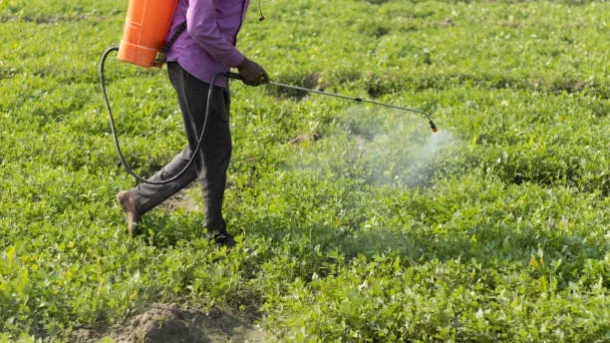
Increased dependency on pesticides: Farmers may turn to excessive and careless use of chemical pesticides in the absence of efficient pest and disease management techniques. Pesticide overuse can have detrimental effects on the environment, creatures that are not intended targets, the development of pesticide resistance in pests, and the health of humans. Additionally, it may raise farmers’ production costs and reduce their profitability.

Reduced resistance to climate change: The dynamics of pests and diseases can change as a result of climate change, encouraging the spread of some pests or introducing new pests and diseases into agricultural systems. Crops are more susceptible to the effects of climate change as a result of poor pest and disease management, which also hinders their capacity to adapt to and endure changing weather circumstances. The livelihoods of farmers as well as agricultural productivity may be further threatened.

What are the challenges faced by farmers in adopting and implementing good agricultural practices?

good agricultural practices

Knowledge and awareness: Farmers may face serious difficulties if they lack knowledge and awareness of the advantages and methods of good agricultural practices GAPs. Many farmers might not be aware of the most recent findings and recommended procedures in sustainable agriculture, such as crop rotation, agroforestry, integrated pest management, and soil and water management methods. Farmers’ capacity to properly adopt and apply GAPs may be hindered by a lack of access to information, training, and extension services.

Adopting good agricultural practices GAPs frequently necessitates having access to resources and inputs including high-quality seeds, fertilizer, herbicides, and farm equipment. Small-scale farmers who might not have the financial resources to invest in these resources may find it difficult to get these inputs due to their limited supply or high cost.

Technical expertise: Building technical expertise and ability is frequently necessary for the implementation of good agricultural practices GAPs. Farmers must comprehend and put into practice sophisticated procedures for managing soil, integrated pest management, water conservation, and other sustainable agricultural methods. Farmers’ capacity to acquire the skills and information required for a successful adoption of GAPs may be hampered by limited access to training programs and technical assistance.

Financial restrictions: The switch to GAPs could necessitate initial investments in infrastructure, tools, and inputs. Farmers may experience financial difficulties when making these investments, particularly if the rewards are delayed or if funding is difficult to come by. Farmers may be hesitant to embrace GAPs due to a lack of financial incentives or support systems for sustainable farming techniques.

How does the absence of effective policies and regulations impact sustainable and responsible agriculture?

policies

Environmental degradation: Protecting the environment and fostering sustainable agriculture practices depend heavily on effective rules, regulations and policies. Lack of laws can lead to the dominance of unsustainable farming methods such the excessive use of chemical fertilizers and pesticides, poor waste management, deforestation, and overuse of natural resources. This can undermine the long-term viability of agriculture by causing soil erosion, water pollution, biodiversity loss, and ecosystem deterioration.

Absence of incentives for sustainable practices: Policies and rules can offer farmers encouragement and support to adopt sustainable and ethical farming methods. Farmers could lack the drive or resources to invest in sustainable technologies, conservation techniques, or organic farming practices in the absence of effective policies. Lack of incentives can limit the use of sustainable practices and prevent their adoption.

Weak enforcement and compliance: Policies and regulations may be in place, but they are only as good as the systems in place for enforcing and monitoring compliance. Non-compliance with sustainable farming practices may go unnoticed in the absence of efficient enforcement. The efforts of ethical farmers who follow sustainable farming methods can be hampered by lax enforcement since they may be subject to unfair competition from those who disregard environmental laws. As a result, the playing field may become unlevel, which may deter farmers from making sustainability investments.

Public health and food safety are at risk, and policies and laws are crucial to preventing these threats. Without strong laws, using dangerous agrochemicals, handling and storing food incorrectly, and having insufficient monitoring and inspection procedures can all endanger customers. Inadequate rules could also result in the

What are the problems associated with pests, diseases, and invasive species in agriculture?

pests

Crop Losses: By directly consuming plants, wreaking havoc on plant tissues, and weakening plants, pests, diseases, and invasive species can result in significant crop losses. They may lower crop production and quality, which would cost farmers money.

Reduced yield: Pest, disease, or invasive species infestations can have a significant negative influence on agricultural yield. They can impede photosynthesis, nutrient uptake, and plant growth, leading to stunted plants, subpar growth, and decreased output as a whole.

Pests, illnesses, and invasive species in agriculture can all have a substantial impact on the economy. To lessen the effects, farmers might need to spend a lot of money on pesticides, treatments, or control measures. Additionally, phytosanitary rules that restrict trade of infected commodities might reduce market access and result in losses of money.

Increased Input Costs: Farmers who invest in pest management techniques, disease management plans, and invasive species eradication initiatives may experience increased input costs. These extra expenses could put a burden on company finances and lower their profitability.

What are the problems caused by unsustainable agricultural practices, such as monocropping?

monocropping

Monocropping, which involves cultivating the same crop repeatedly, causes the soil to become depleted of certain nutrients and subject to erosion. This eventually results in decreased soil fertility, decreased organic matter levels, and deterioration of soil structure.

Increased Dependence on Chemical Inputs: To sustain crop yields, monocropping frequently makes heavy use of chemical pesticides and fertilizers. It may be necessary to apply chemical inputs while cultivating a single crop continuously since it can foster the growth of pests and illnesses. This may contribute to pesticide resistance growth and environmental contamination.

Loss of Biodiversity: Because monocropping systems often have fewer plant species, there are less habitats and food sources available to birds, beneficial insects, and other organisms. By upsetting the ecological balance, decreasing the effectiveness of natural pest management, and endangering pollinators, this loss of biodiversity makes plants less resilient and more susceptible to insect outbreaks.

Monocrop fields are more vulnerable to erosion because they lack a variety of plant species and their root systems. The risk of soil erosion by wind and water, which can cause the loss of fertile topsoil and sedimentation in water bodies, is increased by the absence of ground cover.

How does the use of pesticides and chemical fertilizers pose environmental and health concerns?

pesticides

Pesticides and chemical fertilizers may discharge into surface water bodies or leach into groundwater, contaminating the water. Fish, amphibians, and other aquatic species may suffer as a result of this contamination.

Using chemical fertilizers excessively can cause soil deterioration and nutritional imbalances. These fertilizers may enter neighboring water bodies through runoff from nearby farmland, leading to eutrophication and upsetting aquatic ecosystems.

Loss of biodiversity and non-target species: Pesticides may unintentionally affect non-target species such beneficial insects, birds, and pollinators. This can cause natural equilibrium to be upset and biodiversity to disappear.

Pesticide Resistance: Using pesticide frequently can cause bugs to become resistant to them. This calls for the use of more potent or other pesticides, starting a cycle of rising chemical usage and potential environmental damage.