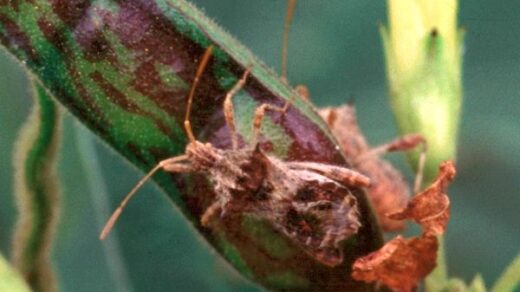
Pest and disease management: seed treatment methods can aid in the defense of seeds and young seedlings against a variety of pests and diseases. Crops can suffer severe harm from seed-borne diseases and insect pests, which can result in decreased germination, subpar stand establishment, and lower yields. Applying fungicides, insecticides, or biological agents to the seeds as seed treatment methods can help suppress or manage these infections and pests. Seed treatments help crops grow healthier and more vigorously by defending the seeds during the crucial early stages.
Improvements in germination rates and early seedling vigor can be attained through seed treatments. Certain seed treatments can help seeds germinate more quickly and uniformly by breaking dormancy, enhancing imbibition, and providing vital nutrients or growth stimulants.
Accessibility and Uptake of Nutrients: Some seed treatments contain nutrients or biostimulants that enhance the accessibility and uptake of nutrients by the sprouting seedlings. Improved crop productivity can result from these treatments, which can promote early root formation, nutrient absorption, and overall plant growth.
Environmental Stress Resistance: Seed treatments can provide resistance to environmental conditions including drought, heat, or cold. They might contain elements that encourage increased resistance to these stresses, improving the plant’s capacity to tolerate challenging circumstances and minimizing yield losses.