What are the challenges and opportunities in agricultural cooperatives and farmer organizations?

cooperatives

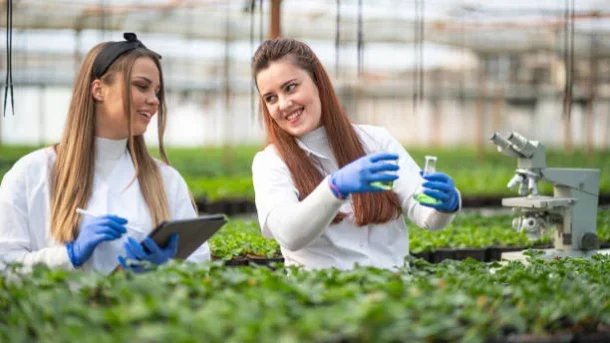
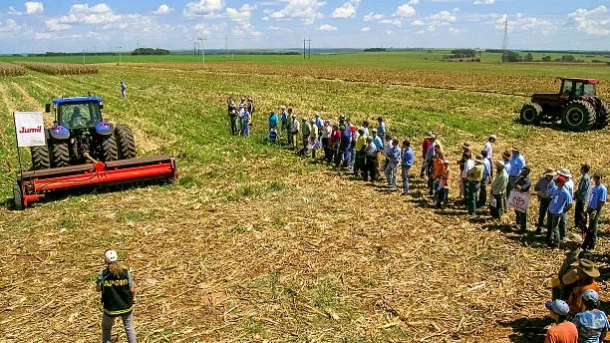
Farmer organizations and agricultural cooperatives are essential for empowering farmers, boosting their negotiating power, and advancing sustainable farming practices. They do, however, also encounter certain difficulties and chances. Here are a few examples:

Limited Access to finance: It can be difficult for agricultural cooperatives and farmer organizations to obtain enough finance for operations, investments, and expansion. Their capacity to offer essential services, such as the acquisition of input, machinery, storage facilities, and marketing support, may be hampered by a lack of financial resources.

Lack of Technical and Management Skills: Successful cooperatives and farmer organizations depend on effective management and technical know-how. However, many farmers might not have the requisite abilities in fields like governance, marketing, financial management, and business planning. Their capacity to can be hampered by this skills mismatch.

Market Access and Price Volatility: For cooperatives and farmer organizations, accessing markets and securing fair prices for agricultural products is a key difficulty. They might have trouble negotiating with customers, figuring out supplier systems, and reacting to pricing changes. Their profitability and negotiating leverage may be constrained by inadequate market connections and middlemen’s hegemonic authority.

Limited Technology and Infrastructure: The operation of cooperatives and farmer organizations can be hampered by inadequate technology and infrastructure, such as roads, storage facilities, processing facilities, and transportation networks. Their capacity to implement effective production practices and value-added activities may also be restricted by a lack of access to contemporary agricultural technologies and information systems.
How is the agriculture sector addressing the issue of farm animal welfare?

farm animal

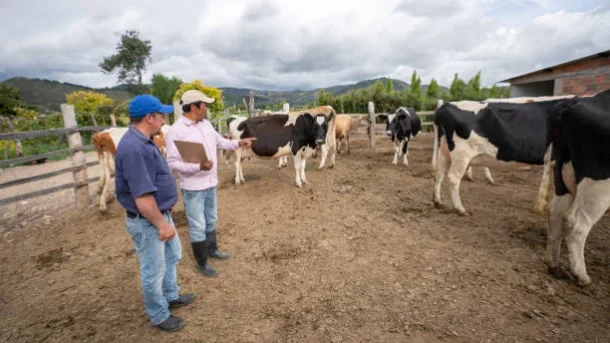
Farm animal welfare is becoming more and more important, and the agriculture industry is taking action to address this problem. The industry is tackling farm animal welfare in the following ways:

Standards and rules for Animal care: For agricultural animals, many nations and areas have set standards and rules for animal care. To protect the welfare of the animals, these rules specify the minimal conditions for housing, handling, transportation, and slaughter. They offer a framework for farmers to adhere to and are frequently based on best practices and scholarly research.

Animal Welfare Certification and Labelling: A number of certification and labelling programmes have been created to inform customers about the welfare of farm animals. These programmes evaluate and confirm if certain standards for animal care are met or surpassed.

Farm Animal Health and medical Care: Two crucial components of farm animal welfare are ensuring good animal health and offering proper medical care. In order to monitor the health and wellbeing of their animals, run vaccination programmes, control disease, and address any injuries or health issues as soon as they arise, farmers closely collaborate with veterinarians. Preventive care and routine veterinarian exams help to uphold high welfare standards.

Housing and Living Conditions: It’s important to provide suitable housing and living conditions for farm animals. Improvements are being made to housing systems to give animals more room, cozy places to relax, good ventilation, and access to clean water and nourishing food. Systems that aim to improve animal welfare include free-range poultry systems, group housing for pigs, and enriched cages for laying hens.

What are the recent developments in precision spraying and pest control technologies?

spraying and pest

Accuracy, efficiency, and sustainability have been prioritized in recent advances in precision spraying and pest management systems. Here are a few noteworthy developments:

Artificial Intelligence and Machine Learning: To analyze data and make precise judgements in pest management, artificial intelligence (AI) and machine learning algorithms are being used. For the purpose of locating pest hotspots, streamlining spraying schedules, and anticipating pest outbreaks, these technologies can handle copious volumes of data from sensors, drones, and satellites. Real-time monitoring and focused treatments are made possible by systems powered by AI, which eliminates the need for widespread pesticide application.

Advanced sensor technology and Internet of Things (IoT) gadgets are being incorporated into pest control systems. Real-time monitoring of environmental variables, pest populations, and crop health is possible with these sensors. They give useful services.

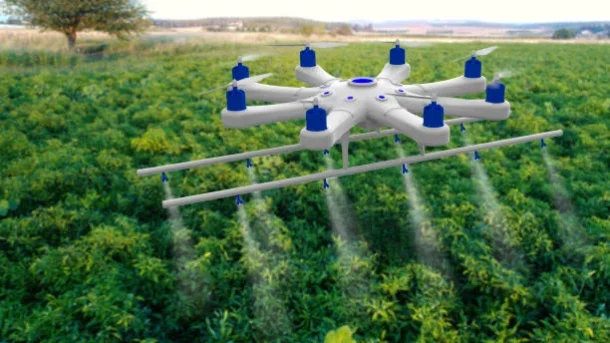
Precision spraying and pest management are being revolutionized by robotics and drone technology. Unmanned aerial vehicles (UAVs) with sensors and cameras may gather detailed information on crop conditions, insect populations, and disease outbreaks. Farmers can target specific locations for pesticide application and maximize resource use with the help of this information. Robotic equipment on the ground can also precisely distribute biological control agents or perform targeted spraying.

Variable Rate Technology (VRT): Based on spatial variability within a field, variable rate technology provides precise administration of pesticides. In order to adjust the pesticide application rate in response to crop conditions and pest distribution, VRT systems use maps created from sensor data or remote sensing data.

How is the concept of agroforestry being integrated into climate change mitigation strategies?

climate change mitigation

Agroforestry is increasingly recognized as a valuable approach for climate change mitigation due to its potential to sequester carbon, enhance resilience, and promote sustainable land management. Here are some ways in which the concept of agroforestry is being integrated into climate change mitigation strategies:

Carbon Sequestration: Agroforestry systems, with their combination of trees, crops, and/or livestock, have the capacity to sequester significant amounts of carbon in both above-ground biomass and soil. Trees in agroforestry systems capture and store carbon dioxide from the atmosphere, reducing greenhouse gas concentrations. Agroforestry practices such as silvopasture (integrating trees and livestock), alley cropping (trees intercropped with crops), and forest farming (cultivating crops under the shade of trees) can effectively contribute to carbon sequestration.

Reduced Emissions from Deforestation and Forest Degradation (REDD+): Agroforestry plays a crucial role in REDD+ initiatives, which aim to reduce carbon emissions from deforestation and forest degradation. By promoting agroforestry practices, which offer alternative land uses to slash-and-burn agriculture and forest clearance, countries can mitigate greenhouse gas emissions while simultaneously meeting agricultural and livelihood needs.

Agroforestry is a crucial part of climate-smart agriculture, a strategy that attempts to boost agricultural output, improve climate change resistance, and lower greenhouse gas emissions. Agroforestry practices offer a variety of advantages, including improved water management, increased biodiversity, and varied income streams. These advantages help make agricultural systems more resilient to climate change mitigation overall.

Agroforestry contributes to sustainable land management by promoting water retention, minimizing erosion, and improving soil health. In agroforestry systems, the presence of trees aids in preventing soil erosion, promoting nutrient cycling, and increasing organic matter content, improving soil structure and fertility. By storing carbon in the soil and requiring fewer chemical inputs, this helps to mitigate climate change mitigation.

What are the implications of urbanization on agricultural land use and productivity?

urbanization

Urbanization has several implications for agricultural land use and productivity. Here are some key implications:

Land Conversion: Urbanization often leads to the conversion of agricultural land into residential, commercial, or industrial areas. As cities expand and population density increases, agricultural land is gradually transformed into urban infrastructure, including buildings, roads, and other urban amenities. This conversion reduces the total area of available agricultural land, leading to a decline in agricultural production capacity.

Fragmentation and Loss of Agricultural Land: Urbanization can result in the fragmentation of agricultural land into smaller parcels due to land subdivision and development. Fragmentation makes it challenging for farmers to maintain viable agricultural operations and implement efficient land management practices. Moreover, the encroachment of urban areas can lead to the complete loss of agricultural land, further reducing the overall agricultural productivity of the region.

Urbanization frequently generates demand for surrounding agricultural land to supply food and other agricultural products to the expanding urban population. This puts pressure on productive agricultural land. As a result, there might be more pressure to convert fertile agricultural land that is adjacent to cities. This may result in the loss of irrigated, fertile land, which could have an impact on potential agricultural output and food production.

Farming practices might change as a result of urbanization as conventional agricultural systems are modified or replaced to meet the needs and restrictions of the city. For instance, high-value crops or horticulture may become the focus of commercial farming as these industries might be more lucrative in urban markets. Additionally, to make use of the limited urban space, urban agriculture techniques like rooftop gardens, vertical farming, or community gardens may emerge.

How are governments and organizations supporting agribusiness development and entrepreneurship?

agribusiness development

Governments and organizations encourage the growth of agriculture and entrepreneurship by offering a variety of services, funding, education, and regulatory frameworks. agribusiness development growth is frequently aided by governments and organizations in the following ways:

Access to Finance: Through loans, grants, subsidies, and investment programmes, governments and organizations support agribusinesses financially. These money can be applied to other company requirements as well as infrastructure expansion, technology adoption, working capital, and equipment purchases. Agricultural-focused credit products may also be offered by financial institutions.

Training and capacity building programmes are carried out to improve the technical and entrepreneurial abilities of agribusiness development owners and employees. Training programmes encompass topics like value chain management, marketing, and financial planning.

Market Access and Linkages: By building platforms and networks that link producers with consumers, processors, retailers, and export markets, governments and organizations help agribusiness development get access to markets. This involves setting up trade shows, creating market information systems, fostering market connections, and offering help for adhering to quality and food safety regulations for both domestic and foreign markets.

Supporting Policies and Regulatory Frameworks: Governments create supporting policies and regulatory frameworks that foster the growth of the agriculture sector. Land tenure, property rights, intellectual property, trade facilitation, tax incentives, investment promotion, and agricultural subsidies are some of the topics covered by these policies. Uncertainty is reduced and agribusiness investment is encouraged by clear and consistent policies.

What are the efforts to promote sustainable and responsible aquaculture practices?

aquaculture practices

Governments, international organizations, industry stakeholders, and environmental groups have all participated in initiatives to promote sustainable and ethical aquaculture practices. The following are important programmes and techniques:

Certification programmes and standards: To promote ethical aquaculture practices, a number of certification programmes and standards have been created. The Aquaculture Stewardship Council (ASC) accreditation, which establishes environmental and social standards for ethical aquaculture production, is the most well-known. Various parts of ethical aquaculture are covered by other initiatives, such the Global Aquaculture Alliance’s Best Aquaculture practices (BAP) and the Global GAP Aquaculture Standard, which offer standards and certification procedures.

The goal of integrated coastal zone management (ICZM), which includes aquaculture, is to balance the usage of coastal areas with the preservation of ecosystems and natural resources. ICZM

Development of Regulations and Policies: To oversee and support sustainable aquaculture practices, governments are creating regulations and drafting policies. Aspects including site selection, water quality management, feed management, disease prevention and control, and the responsible use of chemicals may be covered by these rules. In order to enforce compliance with laws and encourage best practices, governments also set up licensing and permitting systems.

Better Nutrition and Feed: Sustainable aquaculture practices place a strong emphasis on the creation and application of feeds that lessen dependency on wild fish supplies and contain alternative, ecologically friendly ingredients. To reduce waste and adverse effects on the environment, research is concentrated on improving feed formulations, increasing nutrient utilization, and lowering feed conversion ratios.

How is the use of agrochemicals being regulated and monitored?

use

The use of agrochemicals, including pesticides, herbicides, and fertilizers, is regulated and monitored by various national and international bodies to ensure their safe and responsible use. The specific regulations and monitoring practices may vary among countries, but here are some common approaches:

Registration and Approval: Agrochemicals undergo a rigorous registration process before they can be legally marketed and used. This involves submitting scientific data and conducting risk assessments to assess the product’s efficacy and potential impacts on human health, the environment, and non-target organisms. Regulatory agencies evaluate the data and grant approvals based on the product’s compliance with established standards.

Maximum Residue Limits (MRLs): MRLs are regulatory limits set for the maximum allowable concentration of pesticide residues in food and feed commodities. These limits are established to protect consumer health and ensure that agrochemical residues remain below levels deemed safe. Monitoring programs are in place to test produce for compliance with MRLs, and enforcement actions are taken if residues exceed the established limits.

Labelling and Use Instructions: Agrochemical goods must have labels that clearly state how to use them in a safe and efficient manner. Proper application rates, timing, safety gear, storage, and disposal are all covered by these labels. In order to guarantee consumer safety and environmental protection, regulatory bodies monitor the sufficiency and accuracy of product labels.

Monitoring and Surveillance: To determine the presence and concentrations of pesticide residues in crops, soil, water, and other environmental compartments, governments and regulatory agencies perform monitoring and surveillance programmes. To verify adherence to specified criteria, samples are gathered from farms, food markets, and processing facilities and tested. Monitoring programmes aid in spotting possible dangers, patterns, and areas requiring regulatory action.

What are the advancements in plant breeding techniques and genetic diversity conservation?

genetic diversity

The development of plant breeding methods and the preservation of genetic diversity have greatly improved food yield, resilience, and the preservation of priceless genetic resources. Here are some significant changes in these areas:

Cross-pollination and selection, along with genetic diversity, are crucial in developing new crop varieties. To produce offspring with superior qualities, such as disease resistance, increased yield potential, or better nutritional content, breeders selectively cross plants with desirable attributes.

Marker-Assisted Selection (MAS): MAS involves the more effective identification and selection of plants with particular desired features. Breeders can find and choose plants with desirable genetic variations without the requirement for lengthy phenotypic screening by analyzing DNA sequences linked to the target qualities. This method expedites.

Genomic Selection: To forecast breeding line success based on genetic profiles, genomic selection combines high-throughput genotyping and statistical modelling. Breeders can measure an individual’s genetic merit by examining a huge number of genetic markers spread over the genome. This allows them to choose superior plants for breeding programmes with greater knowledge.

Genetic engineering, often known as genetic modification, entails the direct introduction of particular genes into target plants to confer desired qualities. Using this method, characteristics like insect resistance, herbicide tolerance, disease resistance, and increased nutritional value have been introduced. Rapid trait incorporation has been made possible by genetic engineering, although it is still controversial and subject to regulation in some places. Maintaining genetic diversity is a consideration in these discussions.

How are farmers adapting to changing weather patterns and extreme events?

weather

In order to adjust to shifting weather patterns and harsh events, farmers all around the world are putting numerous ideas and practices into practice. Here are some typical adaptation strategies, though specific methods may vary depending on region, the amount of resources available, and the size of the farm:

Crop diversification: To lessen sensitivity to particular weather conditions, farmers are choosing a wider variety of crops. Farmers can lessen the effect of extreme weather events on their overall agricultural productivity by producing a variety of crops with differing tolerances to drought, heat, or heavy rainfall.

Improved Water Management: During dry spells, farmers can deal with water scarcity by using irrigation systems, water conservation methods, and effective water use. However, installing drainage systems and enhancing water storage can help with managing

Minimal tillage, cover crops, and crop residue management are examples of conservation agricultural practices that can enhance soil health and water retention. These methods improve the soil’s capacity to soak up and hold onto water during dry spells while lowering soil erosion during heavy downpours.

Agroforestry and Windbreaks: Farmers can protect their crops from damaging winds and lessen soil erosion by planting trees or constructing wind breaks. Agroforestry systems, which integrate trees and crops, can offer extra advantages including shade, shelter from the wind, and increased biodiversity.