How are predictive analytics being used for yield forecasting?

yield forecasting

A lot of businesses, especially agricultural, are using predictive analytics to forecast yield. Organisations may estimate agricultural yields accurately using predictive analytics, which improves planning, decision-making, and resource allocation by utilising historical data, statistical models, and sophisticated algorithms. Predictive analytics is used for yield forecasting in the following ways:

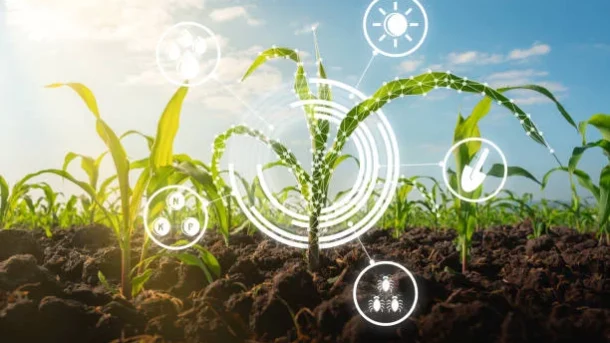
Predictive analytics begins by examining historical data, such as weather patterns, soil characteristics, crop kinds, and previous yield records. The patterns, correlations, and trends found in this data are utilised to forecast potential yields in the future.

Integration of weather data: Predicting crop yields requires careful consideration of the weather. In order to evaluate the impact of weather on crop growth and productivity, predictive analytics integrates both historical and real-time meteorological data for accurate yield forecasting.

Predictive analytics makes use of machine learning algorithms to analyse complex data sets and spot trends that may not be obvious to human analysts. These algorithms can produce precise crop yield projections by spotting subtle correlations between different elements.

Data-driven Decision Making: By fusing insights from predictive analytics with additional data sources, including as market trends, historical prices, and input costs, organisations may make well-informed choices about planting, fertilising, irrigating, managing pests, and harvesting. This data-driven methodology maximises agricultural productivity and forecasts of yield.

What are the advancements in precision nutrient application in agriculture?

application

 With the use of variable rate technology (VRT), farmers can apply fertilisers at various rates throughout their fields according to site-specific requirements. To gather information on soil fertility, crop development, and other pertinent parameters, soil sensors, remote sensing, and GPS technologies are employed. The creation of prescription maps that direct the application of fertilisers is then done using the data. By carefully tailoring the distribution of nutrients to the needs of the crop and the various soil conditions, VRT maximises nutrient uptake while minimising nutrient loss.

Sensor-Based Nutrient Management: Several sensors are used to monitor soil nutrient levels and crop health in real-time, including soil moisture sensors, electrical conductivity sensors, and optical sensors. Farmers can use these sensors to gather precise and timely data that will help them decide how to apply nutrients. 

Fertilisers with Controlled-Release: Controlled-release fertilisers are made to release nutrients gradually over an extended period of time. These fertilisers give the crops a more consistent supply of nutrients, which lowers the chance of nutrient leaching, volatilization, or runoff. These fertilisers increase the effectiveness of nutrient utilisation while minimising environmental effects by releasing nutrients in a regulated manner.

Software Tools for Nutrient Management: Tools for nutrient management are available to help farmers make knowledgeable decisions about the application of nutrients. To produce optimised fertiliser recommendations, these software systems take into account elements including soil type, crop type, yield targets, nutrient requirements, and environmental considerations. These tools, which generate customised nutrient management plans taking into account crop nutrient needs, present nutrient levels, and regulatory guidelines, can be used by farmers to input their field data.

 What are the advancements in robotic milking systems for dairy farms?

robotic milking

Animal Health Monitoring: Numerous robotic milking systems come with sensors that keep an eye on cow activity, rumination habits, behaviour, and body temperature. The system can spot potential health problems or alterations in cow behaviour by analysing this data, warning farmers to take appropriate steps like veterinary intervention or more careful observation.

Analytics and Data Integration: Modern robotic milking systems are linked to platforms for data analytics and farm management software. Farmers now have access to real-time information and analysis about characteristics such as feeding, cow health, and milk production. Farmers can enhance herd management, spot trends, and make data-driven decisions to increase productivity and animal welfare with the use of data analytics.

Robotic milking system producers are constantly attempting to enhance their systems, which include software upgrades, user interfaces, and equipment durability. These developments are meant to increase system performance, usability, and reliability, which will ultimately lower maintenance needs and boost uptime.

 What are the advancements in biological pest control methods?

biological

Biopesticides: These biological chemicals come from living things like fungi, bacteria, plants, and other microbes. There have been significant improvements in the creation and use of biopesticides. These products are less damaging to the environment and beneficial organisms while yet being able to target certain pests. Examples include mycoinsecticides based on entomopathogenic fungi and Bacillus thuringiensis products that target insect pests.

IPM (Integrated Pest Management) strategies have advanced with the addition of biological control techniques. IPM integrates a number of pest management techniques, such as biological control, cultural practises, monitoring, and the prudent application of chemical pesticides. Combining other IPM techniques with the use of beneficial insects—such as predatory mites, parasitoids, and nematodes—has proven to be an efficient way to manage pests while using the fewest chemicals possible.

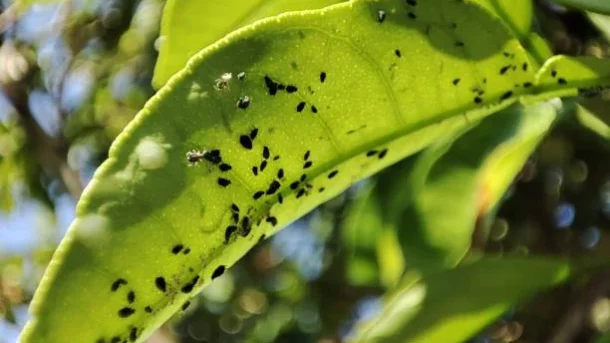
Biological control is the use of living organisms to suppress pest populations, making them less damaging than they would otherwise be. Natural enemies of insects play an important role in limiting the densities of potential pests. These natural enemies include predators, parasitoids, and pathogens.

How is satellite navigation technology used in precision agriculture?

satellite

Field Mapping and Surveying: Farmers can precisely map and survey their fields using Global navigation satellite system (GNSS) receivers installed on farm equipment or portable devices. Farmers can detect areas with changes in soil fertility or topography, construct accurate field border maps, and create digital field maps for precision management by gathering exact location data.

Precision Guidance and Auto-Steering: With the help of Global navigation satellite system (GNSS) based guidance systems, farmers may precisely direct their agricultural equipment along pre-determined courses throughout the fields. This minimises input wastage, guarantees precise row spacing, prevents overlaps or gaps during sowing, spraying, or fertilising activities. Agricultural equipment’s location and direction can be managed automatically by auto-steering systems, allowing farmers to concentrate on other duties while maintaining accurate navigation.

Yield Monitoring and Mapping: As harvesting equipment moves through the field, GNSS-enabled yield monitoring devices gather real-time data on crop production. Farmers can produce yield maps that display the spatial diversity in crop performance by fusing yield data with exact location data. These maps aid in the analysis of yield patterns over time, the identification of locations with high or low yield, and the formulation of site-specific management strategies.

Global navigation satellite system (GNSS) technology can be utilised to improve variable rate irrigation techniques in precision agriculture. Aerial photography or soil moisture sensors combined with GNSS positioning can be used by farmers to identify differing irrigation needs for different parts of the field. This makes it possible to use variable rate irrigation, in which water is dispersed precisely in response to crop water requirements, soil moisture levels, and topographic factors.

How are drones used for spraying pesticides and fertilizers?

spraying

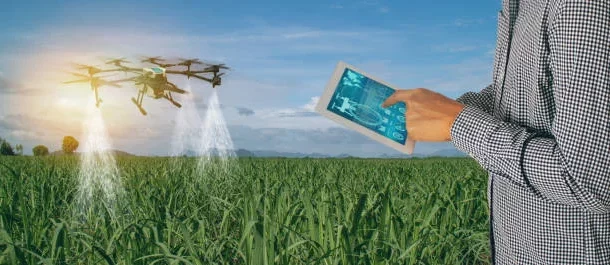
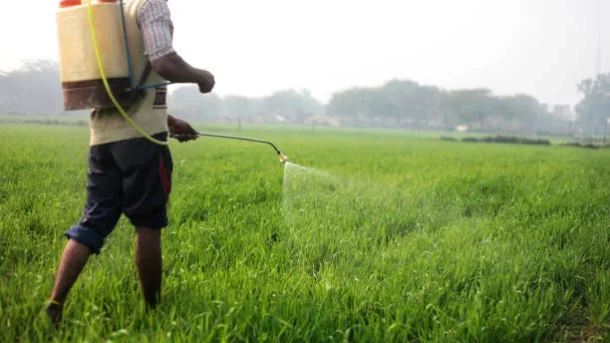
Aerial Application: Drones can spraying transport and disperse pesticides or fertilizers over agricultural fields when outfitted with properly engineered spray systems, which include tanks, pumps, and nozzles. These drones discharge the spray mixture in a controlled manner while flying at a predetermined altitude over the crop canopy. Multiple nozzles that release tiny droplets from the spray system may be used to provide even coverage and reduce drift.

Drones’ ability to fly at low altitudes and adhere to predetermined flight paths allows them to be used in precise applications. Drones are capable of precise navigation and can maintain a constant spray pattern thanks to internal GPS and sophisticated flight control technologies. This accuracy ensures focused coverage of the crops or particular areas of interest, minimises waste, and lowers the chance of overapplication.

Drones’ adaptability and accessibility allow them to enter spaces that could be difficult or hazardous for conventional machinery or human operators to enter, such as fields with uneven shapes or steep slopes covered in dense vegetation. Farmers can efficiently spray crops in difficult locations and make the best use of their property by using drones.

Reduced Human Exposure: By removing the need for human operators to come into close touch with pesticides or fertilisers during spraying operations, drones add an extra layer of protection. When harmful or dangerous substances are used, this serves to safeguard the operators’ health and safety.

 What are the latest developments in soil health monitoring techniques?

soil health

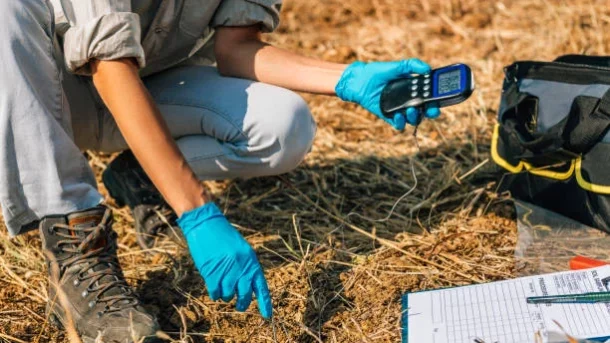
Imaging and spectroscopy: For the examination of soil, spectroscopic methods like infrared spectroscopy and hyperspectral imaging are becoming more and more popular. These methods examine the light reflected or emitted from soil samples to determine soil health, chemical composition, and amount of organic matter. Imaging technology can deliver spatially resolved data on soil characteristics, enabling tailored actions depending on particular soil circumstances.

Microbial analysis and DNA sequencing techniques are being utilised to evaluate the microbial populations in soil and their roles. These methods offer information on the variety and activity of soil microbes, which are essential for nutrient cycling, the breakdown of organic materials, and plant health. Farmers can choose the best soil management practises and maximise microbial activity for better soil health’s by having a thorough grasp of the microbial communities in their soils.

Satellite images and remote sensing technology, such as aerial drones, can provide important information about the overall health of the soil. Satellites with multispectral or hyperspectral sensors are able to collect information on the characteristics of the soil, vegetation indices, and land cover. This information can be analysed to create maps of the health of the soil, find signs of soil deterioration, and track changes over time. Aerial drones with sensors and cameras can give localised areas with high-resolution, precise soil information, enabling focused soil management techniques.

How is artificial intelligence being applied in pest management?

artificial intelligence

Artificial intelligence-based systems can identify and detect pests by analysing photos or sensor data gathered from fields. Using photos or videos taken by drones, cameras, or sensors, computer vision algorithms can identify pest species, damage signs, or pest activity patterns. This makes it possible to identify pests early and supports farmers in acting quickly to stop the spread of such pests.

In order to forecast and predict pest outbreaks, AI systems can process data from a variety of sources, including weather patterns, crop phenology, and insect population dynamics. AI algorithms can produce precise pest risk assessments by examining historical data and real-time inputs, assisting farmers in foreseeing pest outbreaks and organising preventative measures. Through focused therapies made possible by this proactive strategy, there is less need for

Artificial intelligence-powered decision support systems give farmers access to real-time information and pest management advice. These systems combine information from several sources, such as historical records, crop status, pest monitoring data, and weather forecasts. AI algorithms can use this data to analyse pest management procedures that are most effective, such as when and how much to apply pesticides, cultural norms, or biological control techniques. This helps farmers make wise judgements, use less pesticides, and have a smaller negative environmental impact.

What are the advancements in indoor farming technologies?

indoor farming

Vertical farming systems: Indoor farming employs Artificial lighting, climate control, and hydroponic or aeroponic systems are used to grow crops in stacked layers or vertical racks. The energy efficiency of LED lighting has increased, and exact light spectra for various phases of plant growth are now available. Vertical farming allows for year-round production in urban settings while maximising land utilisation and consuming less water.

Hydroponics and Aeroponics: These soilless growing methods that provide plants with nutrient-rich water or mist are known as hydroponics and aeroponics, respectively. These devices provide effective fertiliser uptake and water conservation by delivering nutrients directly to plant roots. The accuracy and control of fertiliser and water management in hydroponic and aeroponic setups have increased thanks to developments in nutrient delivery systems, automation, and sensing technologies.

Indoor Climate Control: To maximise plant growth and productivity, indoor farming depends on careful regulation of temperature, humidity, and CO2 levels. Precision changes are made possible by advancements in climate control systems, including sensors, ventilation, and HVAC technology. Automated climate control systems can continuously check environmental conditions and make adjustments to provide the best conditions for various crops.

How are autonomous robots being used for harvesting crops?

robots being

Sustainability along the Value Chain in Agriculture: Biodegradable packaging is consistent with the concept of sustainability, with robots being essential in the agricultural value chain. Sustainable packaging helps agricultural goods’ overall environmental impact be reduced from production to consumption. It enhances resource conservation efforts, appropriate waste management, and sustainable agricultural methods, making the agriculture sector more robust and sustainable.

It’s crucial to remember that the development of composting infrastructure and adequate disposal methods are prerequisites for the effective use of biodegradable packaging. For the management and processing of biodegradable packaging waste to be successful, cooperation between stakeholders, such as packaging producers, waste management facilities, and policymakers, is essential.

Increased Productivity and Efficiency: Autonomous harvesting robots being able to work constantly without becoming tired, resulting in higher productivity and efficiency. They can work both during the day and at night, in different sorts of weather, and with diverse crop varieties. Autonomous robots can greatly speed up the harvesting process by eliminating the reliance on physical labour, enabling farmers to harvest crops at the ideal moment and maximise output.

Mitigation of Labour Shortages: The agriculture industry frequently struggles with issues connected to a lack of labour and growing labour prices. A potential solution is provided by autonomous harvesting robots that lessen the need for human labour. Even in areas with a restricted personnel availability, farmers can overcome the problem of timely crop harvesting. This can assist in addressing production issues and promoting agricultural sustainability.