Agricultural extension services are essential for educating farmers, offering them technical support, and encouraging the adoption of new practices. Extension services provide helpful support, but they also encounter a number of obstacles and chances:-
Limited Access: Due to physical obstacles, subpar infrastructure, or a lack of communication channels, farmers in distant or marginalized areas frequently have limited access to extension services. This access gap must be closed, which is a difficult task.
Funding and Resources: In order for extension services to be effective, they must have enough funding and resources. The provision of high-quality extension services might be hampered by insufficient funding, a lack of employees, and outmoded facilities.
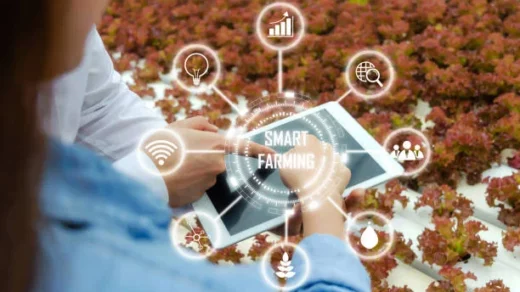
Digital Technologies: There are numerous potential for agricultural extension services given the growing accessibility of digital technologies. Mobile tools, internet resources, and digital material can help with remote knowledge exchange, prompt guidance, and interactive communication between extension specialists and farmers.
Farmer-to-Farmer Extension: Peer learning initiatives and farmer-to-farmer extension strategies have a lot of potential. Sharing expertise with other farmers who have embraced new practices effectively helps increase community participation in extension services and foster a sense of trust and relevance.