Advanced agriculture

What are the efforts to promote sustainable and responsible aquaculture practices?

aquaculture practices

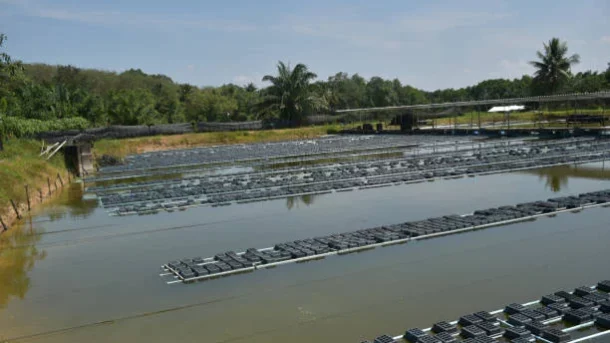
Governments, international organizations, industry stakeholders, and environmental groups have all participated in initiatives to promote sustainable and ethical aquaculture practices. The following are important programmes and techniques:

Certification programmes and standards: To promote ethical aquaculture practices, a number of certification programmes and standards have been created. The Aquaculture Stewardship Council (ASC) accreditation, which establishes environmental and social standards for ethical aquaculture production, is the most well-known. Various parts of ethical aquaculture are covered by other initiatives, such the Global Aquaculture Alliance’s Best Aquaculture practices (BAP) and the Global GAP Aquaculture Standard, which offer standards and certification procedures.

The goal of integrated coastal zone management (ICZM), which includes aquaculture, is to balance the usage of coastal areas with the preservation of ecosystems and natural resources. ICZM

Development of Regulations and Policies: To oversee and support sustainable aquaculture practices, governments are creating regulations and drafting policies. Aspects including site selection, water quality management, feed management, disease prevention and control, and the responsible use of chemicals may be covered by these rules. In order to enforce compliance with laws and encourage best practices, governments also set up licensing and permitting systems.

Better Nutrition and Feed: Sustainable aquaculture practices place a strong emphasis on the creation and application of feeds that lessen dependency on wild fish supplies and contain alternative, ecologically friendly ingredients. To reduce waste and adverse effects on the environment, research is concentrated on improving feed formulations, increasing nutrient utilization, and lowering feed conversion ratios.
How is the use of agrochemicals being regulated and monitored?

use

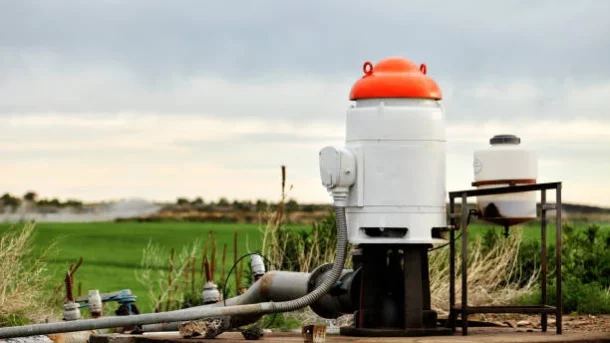
The use of agrochemicals, including pesticides, herbicides, and fertilizers, is regulated and monitored by various national and international bodies to ensure their safe and responsible use. The specific regulations and monitoring practices may vary among countries, but here are some common approaches:

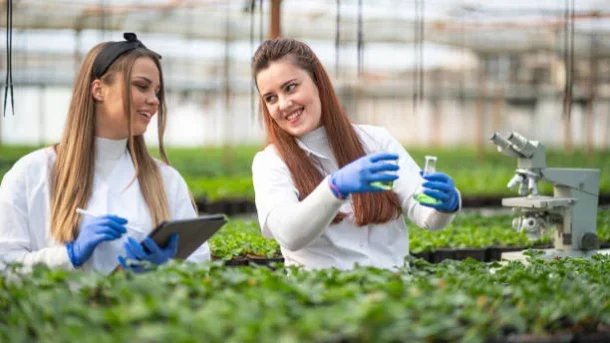
Registration and Approval: Agrochemicals undergo a rigorous registration process before they can be legally marketed and used. This involves submitting scientific data and conducting risk assessments to assess the product’s efficacy and potential impacts on human health, the environment, and non-target organisms. Regulatory agencies evaluate the data and grant approvals based on the product’s compliance with established standards.

Maximum Residue Limits (MRLs): MRLs are regulatory limits set for the maximum allowable concentration of pesticide residues in food and feed commodities. These limits are established to protect consumer health and ensure that agrochemical residues remain below levels deemed safe. Monitoring programs are in place to test produce for compliance with MRLs, and enforcement actions are taken if residues exceed the established limits.

Labelling and Use Instructions: Agrochemical goods must have labels that clearly state how to use them in a safe and efficient manner. Proper application rates, timing, safety gear, storage, and disposal are all covered by these labels. In order to guarantee consumer safety and environmental protection, regulatory bodies monitor the sufficiency and accuracy of product labels.

Monitoring and Surveillance: To determine the presence and concentrations of pesticide residues in crops, soil, water, and other environmental compartments, governments and regulatory agencies perform monitoring and surveillance programmes. To verify adherence to specified criteria, samples are gathered from farms, food markets, and processing facilities and tested. Monitoring programmes aid in spotting possible dangers, patterns, and areas requiring regulatory action.

What are the advancements in plant breeding techniques and genetic diversity conservation?

genetic diversity

The development of plant breeding methods and the preservation of genetic diversity have greatly improved food yield, resilience, and the preservation of priceless genetic resources. Here are some significant changes in these areas:

Cross-pollination and selection, along with genetic diversity, are crucial in developing new crop varieties. To produce offspring with superior qualities, such as disease resistance, increased yield potential, or better nutritional content, breeders selectively cross plants with desirable attributes.

Marker-Assisted Selection (MAS): MAS involves the more effective identification and selection of plants with particular desired features. Breeders can find and choose plants with desirable genetic variations without the requirement for lengthy phenotypic screening by analyzing DNA sequences linked to the target qualities. This method expedites.

Genomic Selection: To forecast breeding line success based on genetic profiles, genomic selection combines high-throughput genotyping and statistical modelling. Breeders can measure an individual’s genetic merit by examining a huge number of genetic markers spread over the genome. This allows them to choose superior plants for breeding programmes with greater knowledge.

Genetic engineering, often known as genetic modification, entails the direct introduction of particular genes into target plants to confer desired qualities. Using this method, characteristics like insect resistance, herbicide tolerance, disease resistance, and increased nutritional value have been introduced. Rapid trait incorporation has been made possible by genetic engineering, although it is still controversial and subject to regulation in some places. Maintaining genetic diversity is a consideration in these discussions.

How are farmers adapting to changing weather patterns and extreme events?

weather

In order to adjust to shifting weather patterns and harsh events, farmers all around the world are putting numerous ideas and practices into practice. Here are some typical adaptation strategies, though specific methods may vary depending on region, the amount of resources available, and the size of the farm:

Crop diversification: To lessen sensitivity to particular weather conditions, farmers are choosing a wider variety of crops. Farmers can lessen the effect of extreme weather events on their overall agricultural productivity by producing a variety of crops with differing tolerances to drought, heat, or heavy rainfall.

Improved Water Management: During dry spells, farmers can deal with water scarcity by using irrigation systems, water conservation methods, and effective water use. However, installing drainage systems and enhancing water storage can help with managing

Minimal tillage, cover crops, and crop residue management are examples of conservation agricultural practices that can enhance soil health and water retention. These methods improve the soil’s capacity to soak up and hold onto water during dry spells while lowering soil erosion during heavy downpours.

Agroforestry and Windbreaks: Farmers can protect their crops from damaging winds and lessen soil erosion by planting trees or constructing wind breaks. Agroforestry systems, which integrate trees and crops, can offer extra advantages including shade, shelter from the wind, and increased biodiversity.

What are the current debates on land rights and tenure in agriculture?

land rights

Land rights and tenure in agriculture have been the subject of numerous discussions as of my knowledge cutoff in September 2021. I am unable to give current information, but I can give an overview of some of the recurring themes and problems that have been discussed in the past. It’s vital to keep in mind that since then, these discussions may have changed or new viewpoints may have appeared. Here are several crucial elements:

Distribution of Land Ownership Rights: The distribution of land ownership rights is a topic of much controversy. This covers topics including extensive land purchases, land concentration, and land reforms. In order to solve social and economic inequities, some advocate for equitable land allocation, while others stress the significance of secure property rights to promote investment and production.

or indigenous peoples and local communities are a topic of constant discussion. These rights should be recognized and upheld. These communities frequently encounter difficulties in enforcing their claims to traditional lands, which results in disputes with authorities, businesses, and other parties. The discussions focus on the requirement for legal frameworks that respect and recognize their traditional forms of land tenure.

Women’s Land Rights: Another important topic of discussion is the gender gap in land tenure and ownership. Women frequently encounter obstacles while trying to obtain and govern land, which limits their access to economic possibilities and overall empowerment. Advocates make the case for laws and changes that support gender-equitable and stop discriminatory behavior.

How is the agriculture sector addressing the issue of food deserts and food access?

food deserts

The agriculture industry is working with a number of stakeholders to solve the problem of food deserts and enhance food access in underserved communities. Here are some strategies that are being used:

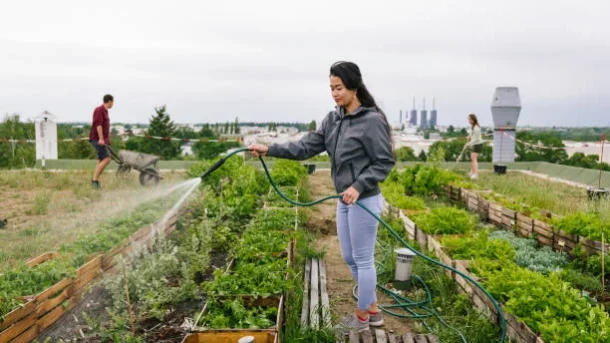
Urban farming and community gardens: In order to boost local food production, community gardens and urban farming programmes are being built in food deserts and urban areas. These programmes enable localities to generate their own fresh produce, increasing access to wholesome food.

Mobile markets and food trucks: These food providers deliver wholesome meal alternatives and fresh vegetables to neglected neighborhoods. These programmes close the gap by making it simple to get hold of cheap, wholesome meals.

Farmers’ markets and community supported agriculture (CSA) programmes allow consumers to interact directly with local farmers. These programmes increase the accessibility of fresh, locally farmed produce, frequently at reasonable rates, by establishing direct market channels.

Nonprofit Organizations and Food Banks: By supplying emergency food aid and putting long-term policies into place, nonprofit organizations and food banks play a critical role in alleviating food deserts. To distribute extra food and encourage healthy eating, they frequently work with farmers and distributors.

What are the challenges and opportunities in agricultural extension services?

agricultural extension services

Agricultural extension services are essential for educating farmers, offering them technical support, and encouraging the adoption of new practices. Extension services provide helpful support, but they also encounter a number of obstacles and chances:-

Limited Access: Due to physical obstacles, subpar infrastructure, or a lack of communication channels, farmers in distant or marginalized areas frequently have limited access to extension services. This access gap must be closed, which is a difficult task.

Funding and Resources: In order for extension services to be effective, they must have enough funding and resources. The provision of high-quality extension services might be hampered by insufficient funding, a lack of employees, and outmoded facilities.

Digital Technologies: There are numerous potential for agricultural extension services given the growing accessibility of digital technologies. Mobile tools, internet resources, and digital material can help with remote knowledge exchange, prompt guidance, and interactive communication between extension specialists and farmers.

Farmer-to-Farmer Extension: Peer learning initiatives and farmer-to-farmer extension strategies have a lot of potential. Sharing expertise with other farmers who have embraced new practices effectively helps increase community participation in extension services and foster a sense of trust and relevance.

How are farmers using data analytics and remote sensing for decision making?

data analytics

In order to better their farming practices and make informed decisions, farmers are increasingly utilizing remote sensing and data analytics technologies. Here are some examples of how these technologies are used:

Monitoring and Analysis of Crop Yields: Data analytics platforms and remote sensing tools give farmers the ability to precisely monitor and assess crop yields. Data on crop performance across fields is gathered via yield monitoring systems, such as yield monitors and combine harvesters with yield mapping capabilities. Farmers can discover production variances, evaluate the efficacy of various practices, and make data-driven decisions for next planting, fertilization, or irrigation strategies by analyzing this data.

Application of Variable Rate in Precision Agriculture: Data analytics and remote sensing technologies are essential to precision agriculture. High-resolution information on crop health, nutrient levels, and pest infestations can be obtained using remote sensing equipment including satellites, drones, and aerial images. Farmers can use this information to construct variable rate prescription maps, which let them apply fertilizer, herbicides, and irrigation precisely based on the needs of various fields. This focused strategy minimizes negative environmental effects, lowers input costs, and optimizes resource use.

What are the recent developments in urban farming and rooftop gardens?

rooftop gardens

In recent years, urban farming and rooftop gardens have drawn a lot of attention as a way to advance sustainable food production, improve urban green spaces, and increase food security. Here are a few recent changes in this area:

Vertical farming: Using controlled surroundings and artificial lighting, vertical farming entails growing crops in layers that are piled vertically or on surfaces that are inclined vertically. This strategy enables year-round cultivation while maximizing space utilization in urban locations. Utilizing cutting-edge LED lighting, hydroponic or aeroponic systems, and automation technologies to maximize plant growth and resource efficiency are examples of advancements in vertical farming on rooftop gardens.

Aquaponics: In a symbiotic system, aquaponics blends hydroponics (soilless plant cultivation) and aquaculture (fish farming). Fish excrement feeds the plants with nutrients, and the plants filter the water for the fish.

Green Walls and Facades: Green walls, often referred to as vertical gardens or living walls, are covered in vegetation and can be erected on the outsides of buildings or on freestanding structures. They offer numerous advantages like better insulation, increased air quality, and aesthetic appeal. Modular systems, sophisticated irrigation techniques, and the utilization of indigenous and drought-tolerant plant species are examples of advancements in green wall technology.

How is the agriculture sector addressing water pollution and nutrient runoff?

nutrient runoff

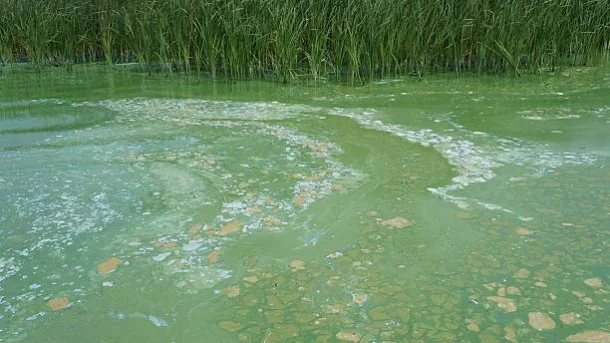
The agriculture industry is implementing a variety of actions to address the serious environmental problems of water contamination, nutrient runoff and fertilizer runoff. Here are some crucial strategies:

Best Management practices (BMPs): BMPs are rules and methods intended to lessen nutrient runoff and water pollution from agricultural activities. Precision nitrogen management, cover crops, conservation tillage, buffer strips, and the use of vegetative filters are some of these techniques. BMPs work to reduce nutrient runoff by minimizing the use of fertilizers and pesticides, reducing soil erosion, and improving water infiltration.

Planning for nutrient use: Planning for nutrient use includes determining the nutrients that crops will need and applying fertilizers in a targeted and effective way. Farmers should minimize the danger of extra nutrients seeping into water bodies by optimizing fertilizer application rates and timing while taking soil conditions, crop nutrient requirements, and nutrient cycling into account.

Setting up conservation and riparian buffer zones alongside water bodies aids in capturing and filtering nutrients before they reach streams and rivers. These vegetated regions serve as a buffer, preventing soil erosion, removing surplus nutrients, and encouraging water infiltration.