Pesticides

How are supply and demand factors influencing agricultural prices?

supply and demand

Market-based agricultural pricing are heavily influenced by supply and demand variables. Market equilibrium and price levels are determined by the interaction between the quantity of agricultural commodities producers are willing to supply and the quantity of agricultural commodities consumers are willing to demand at various price levels. As an example of how supply and demand affect agricultural price:

Production Levels (Supply): Prices are directly influenced by the volume of agricultural products produced and supplied to the market. When production is high, the supply grows and prices decline. On the other hand, when output is low, the supply shrinks, pushing up prices.

Weather: Weather has a significant impact on agricultural production. Favorable weather conditions, such enough rain and mild temperatures, can increase agricultural yields, increase supply, and possibly cut costs. Unfavorable weather conditions, such as droughts, floods, or extremely high temperatures, can lower harvests and constrict supply, raising costs.

Changes in Input Costs: Farmers’ production costs can be impacted by the price of inputs such seeds, fertilizer, pesticides, labor, and gasoline. Increased input costs may cause supply to decline and prices to rise.

Technological innovations: By enhancing productivity and expanding supply, innovations in agriculture technology and methods may result in cheaper costs.

What are the most significant challenges faced by farmers in the agricultural market?

farmers

Agricultural producers encounter a variety of difficulties that can seriously harm their lives and output. These difficulties can change depending on variables including geography, farm size, type of agriculture performed, and market conditions at the time. The following are some of the most important difficulties that farmers face:

Extreme weather events and climate change: Droughts, floods, heat waves, and storms are just a few of the unpredictable weather patterns that farmers must contend with. These occurrences may result in crop failure, lower yields, and higher production expenses.

Agricultural commodity prices can fluctuate on the market because of things like supply and demand mismatches, weather-related problems, and generalized economic situations. The revenue and profitability of farmers can be impacted by price changes.

Farmers frequently experience difficulty obtaining credit and financing at reasonable rates, which restricts their capacity to spend money on cutting-edge machinery, tools, and inputs.

Costs of inputs: Farmers may experience financial hardship due to rising prices for seeds, fertilizer, pesticides, and fuel, which may hinder their capacity to remain competitive in the market.

What are the benefits of using microbial biopesticides in crop protection?

microbial biopesticides in crop protection

When compared to traditional chemical pesticides, the use of microbial biopesticides in crop protection has a number of advantages. The following are the main benefits of utilizing microbial biopesticides:

Environmentally friendly: Microbial biopesticides come from microorganisms that are found in nature, including bacteria, fungus, viruses, and protozoa. The environment and non-target creatures, such as helpful insects, pollinators, and wildlife, are not at significant risk from them. Microbial biopesticides degrade more quickly than chemical pesticides, which lessens their permanence in the environment and lowers the chance of water and soil pollution.

Control with a specific target in mind: microbial biopesticides in crop protectionmicrobial biopesticides in crop protection are extremely selective in their activity, concentrating on a single pathogen or pest while sparing the healthful organisms. The natural predators, pollinators, and other beneficial insects that support ecological balance are preserved because to this uniqueness. Keeping the natural ecology as little disturbed as possible.

Reduced danger of resistance development: When compared to chemical pesticides, microbial biopesticides pose a lesser chance of insect resistance emergence. Because microorganisms frequently possess many modes of operation, it is challenging for pests to evolve resistance. The likelihood of resistance developing can be further decreased and the efficacy of biopesticides can be maintained for extended periods of time by using them alternately or in combination with other control strategies.

Pre-harvest intervals (PHIs) for microbial biopesticides are often shorter than those for chemical pesticides. As a result, there is less time between application and harvest, giving pest control more flexibility and lowering the possibility of residue violations. Closer to harvest, farmers have more control over pest outbreaks thanks to short PHIs.

How does the use of drones in agriculture reduce operational costs?

drones

Drones use in agriculture can cut expenses in a variety of ways, including:

Effective data gathering: Drones with cameras, sensors, and other data-gathering equipment may quickly and effectively gather a variety of data kinds, including aerial pictures, multispectral or thermal imaging, and LiDAR data. Drones can quickly cover enormous regions and collect high-resolution data at a fraction of the cost and time of conventional manual data collection methods. This effectiveness lowers the need for labor and related expenses.

Precision mapping and monitoring: Drones make it possible to precisely map and keep an eye on livestock, crops, and fields. Drone-collected aerial imagery and sensor data can give precise information about the health of crops, their growth patterns, soil moisture levels, and pest infestations. Farmers can focus on specific regions by identifying those that need care.

Crop health evaluation: Drones with specific sensors may take multispectral or thermal photos, which offer important information about the state of a crop’s health. Early indications of stress, food deficiency, or disease outbreaks that might not be evident to the naked eye can be found using these photos. Farmers can avoid the need for lengthy scouting, eliminate yield losses, and use fewer chemical inputs by quickly recognizing and resolving these problems.

Drones can be fitted with seed spreaders or sprayers to enable the exact application of inputs such as seeds, fertilizer, or pesticides. Drones eliminate waste, minimize chemical use, and maximize resource use by applying inputs just where they are required. This focused strategy aids in lowering input costs and lessens the environmental damage caused by excessive application.

What are the benefits of using biological control methods for weed management?

weed management

When opposed to traditional chemical pesticides, using biological control approaches for weed management has various advantages. The following are the main benefits of using biological control to manage weeds:

Environmental security: Biological control techniques concentrate on employing natural enemies to control weed management, such as insects, diseases, or animals. Unlike chemical herbicides, which harm non-target plants and the environment, biological control agents are specific to the weeds they target. This strategy lessens the possibility of soil and water contamination, cuts down on pesticide residues, and protects biodiversity.

Biological control is a long-term and environmentally friendly method of managing weeds. Once established, natural enemies can continue to control weed populations for a considerable amount of time. This lessens the requirement for recurrent herbicide applications, as well as the expenses and inconvenience.

Reduced weed populations that are resistant to herbicides: The widespread use of chemical pesticides can cause this problem. An other tactic that can slow the emergence and spread of herbicide-resistant weeds is biological control. The introduction of many natural enemies targets weeds via various mechanisms, lowering the selective pressure for herbicide resistance.

Cost-effectiveness: In the long run, biological control may be less expensive than repeatedly using herbicides. Once established, natural enemies can continue to control weed growth without ongoing inputs. As a result, it may be possible to cut back on the cost of herbicides, manpower, and any associated apparatus or equipment. Large-scale weed management activities may benefit especially from it.

How can agroecology contribute to sustainable agriculture?

agroecology

As an ecological method of farming, agroecology makes numerous contributions to sustainable agriculture. The following are some ways that agroecology might support sustainable agriculture:

Conservation of biodiversity: Agroecology highlights the significance of biodiversity in farming systems. Agroecology aids in biodiversity preservation by encouraging different cropping systems, crop rotations, intercropping, and the preservation of natural habitats on and around farms. Maintaining biodiversity promotes the health of ecosystems generally and the resilience of beneficial insects, pollinators, and natural pest control.

Agroecologies promotes soil health and fertility through techniques including the integration of organic matter, cover crops, crop rotation, and reduced tillage. Through these techniques, soil structure is improved, organic matter content is raised, water infiltration is improved, and erosion is decreased. Long-term production is increased by nutrient availability to plants and nutrient cycling in healthy soils.

Conservation of natural resources: Agroecology encourages the effective and sustainable use of resources such as water and energy. Water conservation strategies include rainwater collection, agroforestry systems that improve water retention and lessen runoff, and water-saving irrigation techniques. To reduce the carbon footprint of agricultural operations, agroecologies also promotes the use of renewable energy sources and energy-efficient practices.

Reduction of synthetic chemical inputs, such as pesticides and fertilizers: Agroecology encourages the reduction and prudent use of synthetic chemical inputs. Agroecology reduces dependency on chemical pesticides by applying ecological pest management techniques like biological control, crop rotation, and habitat diversification. The requirement for synthetic fertilizers is further lessened by techniques like organic fertilization, nutrient recycling, and nitrogen-fixing cover crops.

How can drones be used for precision pesticide application?

precision pesticide

Unmanned aerial vehicles (UAVs), commonly referred to as drones, provide various benefits for applying precision pesticide precisely in agricultural settings. Here are a few applications for drones in this context:

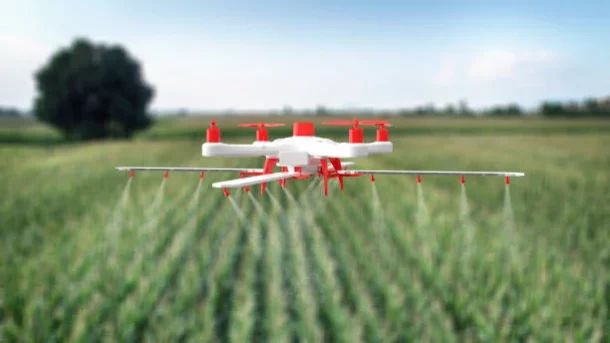
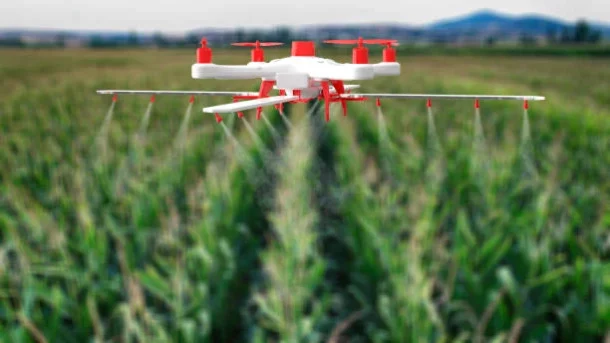
Spraying that is specifically targeted: Drones with spraying systems can apply pesticides to specified areas or even individual plants. Drones can locate and map regions with pest infestations or disease outbreaks using the onboard sensors. This enables targeted spraying only when required, lowering precision pesticide usage and lessening its negative effects on the environment.

Accessibility is improved since drones may reach places that are difficult or inaccessible for conventional ground-based spraying equipment. This includes areas that are challenging for people or machinery to navigate, such as steep terrain, dense foliage, or sizable fields. Drones offer a versatile and effective way to access these locations.

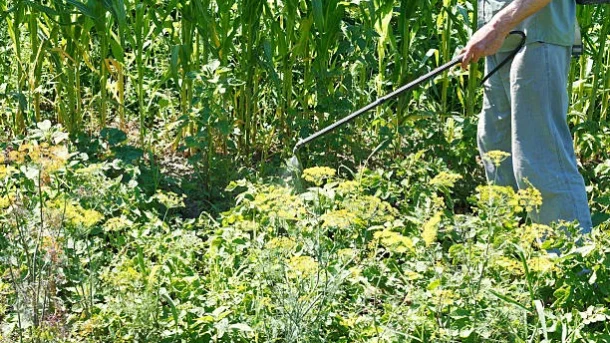
Reduced human exposure: Applying pesticides can be harmful to human health, especially for those who do so manually. Drone use considerably reduces the need for direct human contact with pesticides, lowering the dangers of exposure to dangerous chemicals. This increases worker safety and lowers health issues.

Increased effectiveness and speed: Compared to conventional methods, drones can efficiently and swiftly cover huge areas, making it possible to apply pesticides more quickly. Drones are able to fly autonomously and with advanced flight planning, following predetermined routes to ensure consistent and uniform coverage. Due to the labor and time savings from this efficiency, farmers can quickly treat their crops.

 What is the role of big data analytics in modern agriculture?

big data analytics

By utilizing the enormous amount of data generated by farming operations, big data analytics plays a significant role in modern agriculture by gaining insightful information, streamlining decision-making, and increasing overall farm efficiency. Here are a few crucial functions of big data analytics in contemporary agriculture:

Data Gathering and Integration: The agricultural ecosystem’s numerous data types can be gathered, integrated, and managed using big data analytics. Data from sensors, satellites, drones, weather stations, equipment, and farm management systems are included in this. Farmers can acquire a thorough picture of their business operations and take wise decisions by combining and evaluating different data sources.

Forecasting and Predictive Analytics: Big data analytics enables the use of forecasting and predictive modeling methods in agriculture. Analysis of historical data predictive analytics can estimate yields, disease outbreaks, or market trends through the analysis of historical and real-time data, such as weather patterns, soil conditions, crop growth stages, and insect dynamics. These insights support farmers in risk management, planting schedule planning, and resource allocation optimization.

Precision Agriculture with Variable Rate Technology: By employing spatial data and variable rate technology, big data analytics supports precision agriculture methods. Farmers can recognize variability in their fields and tailor the application of inputs, such as fertilizer, water, or pesticides, based on the particular requirements of various locations by analyzing soil maps, satellite photos, and sensor data. This focused strategy reduces the environmental impact while maximizing resource efficiency.

Real-time monitoring and analysis of crops and livestock are made possible by big data analytics.

 What are the advantages of using genetically modified crops?

genetically modified

There are a number of advantages to using genetically modified (GM) crops, which can help farmers, consumers, and the environment. Some of the main benefits of utilizing genetically modified crops are as follows:

GM crops are frequently developed to express characteristics that improve crop productivity, increasing crop yield. For instance, crops can be altered to withstand pests, illnesses, or environmental challenges like salt or drought. Genetically modified crops can help to boost agricultural productivity and food production by minimizing yield losses brought on by pests or unfavorable growth circumstances.

Improved Crop Quality: Through the introduction of characteristics that increase nutrient value, flavor, or shelf life, genetic manipulation can improve crop quality. For instance, GM crops can be modified to have more vitamins or minerals, hence preventing nutrient shortages.

Disease and Pest Resistance: GM crops can express resistance against particular pathogens or pests. As a result, fewer chemical pesticides or fungicides are required, reducing pesticide use and the related hazards to the environment. GM crops that are resistant to pests can lower crop losses from insect damage and encourage more environmentally friendly pest control methods.

Reduced Environmental Impact: Growing GM crops can have advantageous effects on the environment. Genetically modified (GM) crops can lessen exposure to non-target creatures, reduce chemical runoff into water bodies, and safeguard valuable insects by using less pesticides. Additionally, certain GM crops are made to consume less water or to withstand particular environmental conditions, resulting in more effective water use and less impact on the environment.

 How can nanotechnology enhance crop production and protection?

protection

Numerous approaches to improve crop protection and yield are provided by nanotechnology. The following are some significant ways that nanotechnology can advance these causes:

Enhanced Nutrient distribution: The exact and targeted distribution of nutrients to plants is made possible by nanotechnology. Nutrient utilization efficiency can be increased by using nanoscale nutrient carriers or nanofertilizers that release nutrients gradually and in response to plant needs. In order to promote optimal growth, production and protection, and nutrient uptake, this targeted delivery makes sure that plants receive nutrients in the proper amount and at the proper time.

Controlled Release of Pesticides and Herbicides: Nanotechnology makes it easier to create pesticide and herbicide nanoformulations. These nanoformulations safeguard the active components, increase their solubility, and allow for regulated release. Pesticides or herbicides are progressively released using controlled-release devices, assuring continuous efficacy and minimizing the need for repeated treatments. 

Nanotechnology improves seed treatments to promote improved germination and crop establishment. Seed treatments like biostimulants, growth regulators, or advantageous microbes can be protected and released gradually by being nanoencapsulated. This encourages stronger seedling growth, healthier seed germination, and better crop establishment.

Diagnostic instruments and sensors based on nanotechnology are better at identifying and diagnosing diseases. Rapid and sensitive detection of particular pathogens or disease markers is made possible by nanobiosensors and nanoprobes. These nanoscale tools enable precise and rapid disease identification, enabling quick response and focused disease management techniques.