Pesticides

How are farmers adopting agroecological practices for biodiversity conservation?

biodiversity

Crop Diversity: By adding a greater diversity of crop species, types, and landraces, farmers are enhancing biodiversity in their cropping systems. This lowers the possibility of pest and disease outbreaks, promotes a diversity of pollinators and helpful insects, and aids in the creation of various habitats. Crop variety also improves the health of the soil, the cycling of nutrients, and the demand for outside inputs.

Agroforestry: Agroforestry is the practice of combining trees or shrubs with animals or crops on the same piece of land. Farmers can create more habitats, enhance biodiversity, and improve microclimate conditions by adding trees into their agricultural landscapes. Agroforestry systems also help to produce a variety of goods, including lumber, fruits, and feed, which benefits farmers financially.

Conservation of Habitat: Farmers are designating areas on their properties for the preservation of habitat. Field margins, buffer zones, hedgerows, and fallow fields are a few examples of these places. These ecosystems provide as a haven for helpful animals including birds, insects, and other wildlife, which promotes biodiversity and helps with natural pest management. Some farmers also build wetlands or ponds on their properties, which are crucial breeding grounds for amphibians and aquatic life.

Natural Pest Control: Agroecological approaches put a lot of emphasis on encouraging beneficial insects, birds, and other naturally occurring pest enemies in order to promote natural pest control mechanisms. Farmers can entice beneficial organisms by offering nesting places, food sources, and shelters. As a result, the agroecosystem’s ecological balance is supported and the use of chemical pesticides is decreased.
What are the efforts to promote sustainable pest and disease control in agriculture?

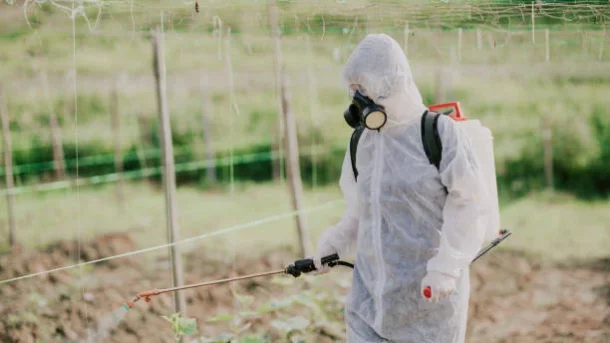
IPM, or integrated pest management, is a method that effectively manages pests and illnesses while using less pesticides than other pest control techniques. It holistically combines biological, cultural, physical, and chemical control techniques. IPM places a strong emphasis on prevention, monitoring, and threshold-based decision-making with the goal of bringing pest populations down to levels that are both environmentally responsible and economically viable.

Biological control: Biological control refers to the management of pest populations through the use of natural enemies including beneficial insects, predatory mites, and microbiological agents. This strategy promotes the preservation and improvement of pests’ natural adversaries and their habitats. The release of advantageous organisms, the modification of habitats, and the application of microbial biopesticides are examples of biological control techniques. A further benefit of fostering biodiversity in agricultural areas is

Cultural and agronomic methods: By making conditions undesirable for pests or boosting crop resistance, cultural and agronomic practices can help prevent pest and disease outbreaks. Crop rotation, intercropping, the use of resistant cultivars, maintaining optimum plant nutrition, maximizing irrigation and water management, and choosing the right planting densities are some of these methods. These procedures help to control pests and diseases by enhancing plant health and developing diversified agroecosystems.

Plant breeding is essential for creating crop varieties with innate resistance to diseases and pests. Resistant Varieties and Breeding Programs. Breeding initiatives concentrate on locating and incorporating resistance-related genetic characteristics into commercial cultivars. Farmers can lessen the requirement for chemical pesticides and the danger of crop losses from pests and illnesses by utilizing resistant types. Efforts

What are the challenges and opportunities in agricultural water management?

water management

Water Scarcity: Managing water use in agriculture is difficult due to water scarcity, which is caused by variables including population growth, climate change, and competition for water supplies. Particularly in arid and semi-arid areas, a lack of water can reduce agricultural productivity and increase farmers’ susceptibility.

Efficiency of Irrigation: Irrigation is a key component of many agricultural systems, and poor irrigation techniques can waste water and make it less available for other uses. Low irrigation efficiency and potential water scarcity are caused by subpar irrigation methods, old infrastructure, and inefficient water management.

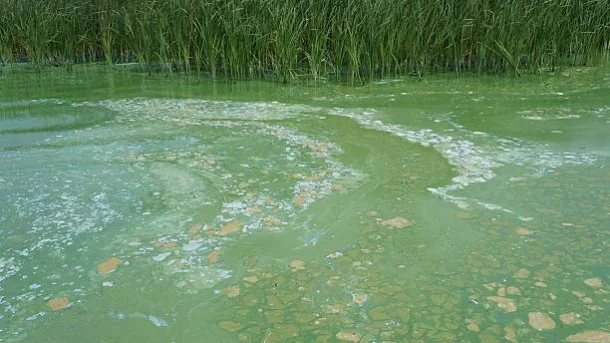
Water Pollution: The runoff of fertilizers, pesticides, and animal waste into water bodies is one way that agricultural activities can contribute to water pollution. The quality of the water, aquatic ecosystems, and human health may all be negatively impacted by this.

Impacts of climate change include increased frequency of extreme weather events, altered hydrological cycles, and uncertainty and variability in rainfall patterns. These adjustments present difficulties for agricultural water management, necessitating adaptation tactics like better water storage, effective irrigation methods, and water saving practices.

How is the use of agrochemicals being reduced and replaced with sustainable alternatives?

IPM is a method that focuses on combining several pest control techniques in order to reduce the use of chemical pesticides. It entails keeping an eye on pests, using biological control agents, putting cultural methods (such as crop rotation and trap farming) into effect, and, as a last option, using chemical pesticides. IPM seeks to keep pest numbers below those that are environmentally harmful and economically destructive.

Biological control: Using beneficial insects, nematodes, or microbial agents—all natural enemies of pests—to suppress pest populations is known as biological control. This strategy encourages ecological equilibrium and lessens the demand for artificial pesticides. Using insect pathogens, releasing predator insects, and using biopesticides made from naturally occurring microbes are a few examples.

Crop Diversity and Rotation: By preventing the population growth of pests and lowering the demand for chemical controls, crop diversity and rotation help break pest cycle cycles. Farmers can stop the multiplication and survival of pests by switching crop species and families. Additionally, a field or farm’s general resilience to pests and illnesses can be improved by growing a variety of crops there.

How is the agriculture sector addressing the issue of food safety and traceability?

food safety

Good Agricultural Practices (GAP) are being adopted and put into practice by farmers. These practices include standards and guidelines for sustainable and safe agricultural production. The right use of fertilizers and pesticides, water management, personal hygiene, and the health and safety of workers are all covered by these practices. GAP aims to minimize hazards to food safety throughout the production of agricultural products.

Adoption of Quality Assurance Systems: Many agricultural businesses and farmers are putting quality assurance systems, including ISO 22000 and HACCP, into place. These systems concentrate on locating and eliminating risks to food safety at various points along the supply chain, from farm to fork. To ensure the safety, they assist in establishing preventive measures, monitoring systems, and traceability methods.

Enhancing Traceability Systems: To track and document the movement of food products along the supply chain, the agriculture sector is installing and enhancing traceability systems. To enable real-time monitoring and recording of product information, this entails the use of technologies like blockchain, barcoding, and RFID (Radio Frequency Identification). Food product origin, processing, and distribution histories may all be traced using traceability systems, which makes it simpler to spot possible safety hazards and take appropriate action.

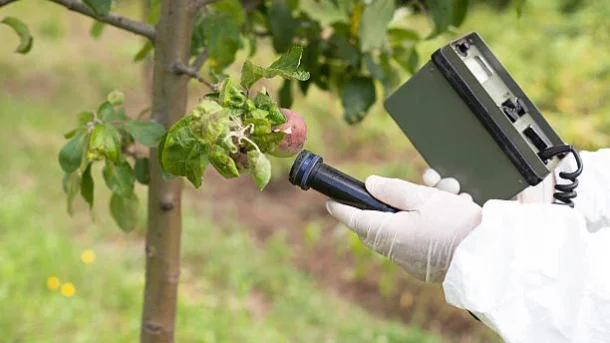
Testing and Quality Control: To ensure the safety of agricultural goods, regular testing and quality control procedures are essential. Pesticide residues, heavy metals, microbiological contaminants, and genetically modified organisms (GMOs) are just a few of the things that can be tested for.

What are the current debates on agricultural subsidies and market distortions?

agricultural subsidies

Policymakers, economists, and stakeholders in the agriculture sector are always debating and conversing about agricultural subsidies and market distortions. The following are some of the main arguments over agricultural subsidy and market distortions:

Trade distortions: The potential for agricultural subsidies to distort international agricultural markets is one of the main issues associated with them. The competitiveness of farmers in developing nations, who cannot match the subsidies provided by affluent countries, is harmed by subsidies since they can result in overproduction and the dumping of subsidized products in international markets. In international trade discussions, such as those conducted by the World Trade Organization (WTO), this subject has been a major source of dispute.

Effects on Domestic Markets: Agricultural subsidies can have a big impact on domestic markets, impacting prices, output levels, and the ability of domestic farmers to compete internationally. Supporters contend that subsidies are essential to protect rural livelihoods, stabilize prices, and guarantee food security. Subsidies, according to their detractors, can cause inefficiencies, overproduction, and a fictitious distortion of resource allocation, which could hurt small-scale farmers and put more of a financial strain on taxpayers.

Environmental Impacts: Agricultural subsidies may have an impact on how land is used and how food is produced, which may have an impact on the environment. Some subsidies, critics claim, especially those linked to input usage or output levels, may encourage unsustainable agricultural practices, such as excessive use of pesticides and fertilizers, deforestation, and overuse of water sources.

What are the advancements in plant disease detection and management techniques?

management

Early detection and efficient control of plant diseases have tremendously benefited from improvements in plant disease detection and management approaches. Here are a few noteworthy developments in this area:

Molecular diagnostic tools: The identification of plant diseases has been revolutionized by molecular methods including DNA sequencing, real-time PCR, and polymerase chain reaction (PCR). These instruments use specific DNA or RNA sequences to quickly and precisely identify infections. They make it possible to diagnose diseases early, even before they show any outward signs, allowing for prompt disease management approaches.

Technologies for remote sensing and imaging: Plant diseases are being found over wide areas using remote sensing methods, such as hyperspectral imaging and unmanned aerial vehicles (UAVs or drones). These technologies are able to recognize tiny alterations in plant health and early disease indications.

Plant breeding programmes concentrate on creating disease-resistant crop types using either traditional breeding methods or genetic engineering. Breeding for resistance entails locating and introducing into crop kinds the genes that provide resistance to particular diseases. Disease-resistant cultivars offer long-term, sustainable options for managing diseases while reducing the need for chemical pesticides.

Technologies for precision agriculture and sensors are being utilized to manage disease. Examples include sensors, data analytics, and automation. Moisture content, nutritional levels, and disease markers are just a few of the factors that soil and plant sensors may assess. By using the information gathered from these sensors, irrigation, fertilization, and pesticide applications may be made more effective, which will help with disease prevention and resource management.

What are the recent developments in precision spraying and pest control technologies?

spraying and pest

Accuracy, efficiency, and sustainability have been prioritized in recent advances in precision spraying and pest management systems. Here are a few noteworthy developments:

Artificial Intelligence and Machine Learning: To analyze data and make precise judgements in pest management, artificial intelligence (AI) and machine learning algorithms are being used. For the purpose of locating pest hotspots, streamlining spraying schedules, and anticipating pest outbreaks, these technologies can handle copious volumes of data from sensors, drones, and satellites. Real-time monitoring and focused treatments are made possible by systems powered by AI, which eliminates the need for widespread pesticide application.

Advanced sensor technology and Internet of Things (IoT) gadgets are being incorporated into pest control systems. Real-time monitoring of environmental variables, pest populations, and crop health is possible with these sensors. They give useful services.

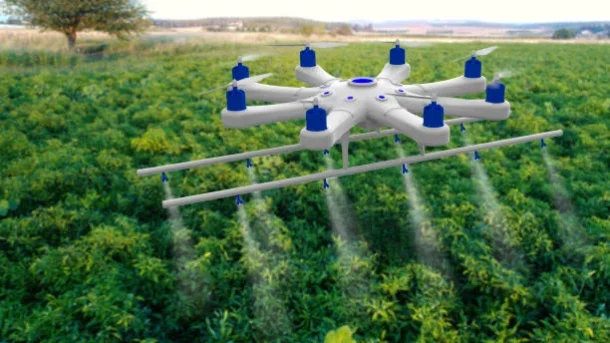
Precision spraying and pest management are being revolutionized by robotics and drone technology. Unmanned aerial vehicles (UAVs) with sensors and cameras may gather detailed information on crop conditions, insect populations, and disease outbreaks. Farmers can target specific locations for pesticide application and maximize resource use with the help of this information. Robotic equipment on the ground can also precisely distribute biological control agents or perform targeted spraying.

Variable Rate Technology (VRT): Based on spatial variability within a field, variable rate technology provides precise administration of pesticides. In order to adjust the pesticide application rate in response to crop conditions and pest distribution, VRT systems use maps created from sensor data or remote sensing data.

How is the use of agrochemicals being regulated and monitored?

use

The use of agrochemicals, including pesticides, herbicides, and fertilizers, is regulated and monitored by various national and international bodies to ensure their safe and responsible use. The specific regulations and monitoring practices may vary among countries, but here are some common approaches:

Registration and Approval: Agrochemicals undergo a rigorous registration process before they can be legally marketed and used. This involves submitting scientific data and conducting risk assessments to assess the product’s efficacy and potential impacts on human health, the environment, and non-target organisms. Regulatory agencies evaluate the data and grant approvals based on the product’s compliance with established standards.

Maximum Residue Limits (MRLs): MRLs are regulatory limits set for the maximum allowable concentration of pesticide residues in food and feed commodities. These limits are established to protect consumer health and ensure that agrochemical residues remain below levels deemed safe. Monitoring programs are in place to test produce for compliance with MRLs, and enforcement actions are taken if residues exceed the established limits.

Labelling and Use Instructions: Agrochemical goods must have labels that clearly state how to use them in a safe and efficient manner. Proper application rates, timing, safety gear, storage, and disposal are all covered by these labels. In order to guarantee consumer safety and environmental protection, regulatory bodies monitor the sufficiency and accuracy of product labels.

Monitoring and Surveillance: To determine the presence and concentrations of pesticide residues in crops, soil, water, and other environmental compartments, governments and regulatory agencies perform monitoring and surveillance programmes. To verify adherence to specified criteria, samples are gathered from farms, food markets, and processing facilities and tested. Monitoring programmes aid in spotting possible dangers, patterns, and areas requiring regulatory action.

How is the agriculture sector addressing water pollution and nutrient runoff?

nutrient runoff

The agriculture industry is implementing a variety of actions to address the serious environmental problems of water contamination, nutrient runoff and fertilizer runoff. Here are some crucial strategies:

Best Management practices (BMPs): BMPs are rules and methods intended to lessen nutrient runoff and water pollution from agricultural activities. Precision nitrogen management, cover crops, conservation tillage, buffer strips, and the use of vegetative filters are some of these techniques. BMPs work to reduce nutrient runoff by minimizing the use of fertilizers and pesticides, reducing soil erosion, and improving water infiltration.

Planning for nutrient use: Planning for nutrient use includes determining the nutrients that crops will need and applying fertilizers in a targeted and effective way. Farmers should minimize the danger of extra nutrients seeping into water bodies by optimizing fertilizer application rates and timing while taking soil conditions, crop nutrient requirements, and nutrient cycling into account.

Setting up conservation and riparian buffer zones alongside water bodies aids in capturing and filtering nutrients before they reach streams and rivers. These vegetated regions serve as a buffer, preventing soil erosion, removing surplus nutrients, and encouraging water infiltration.