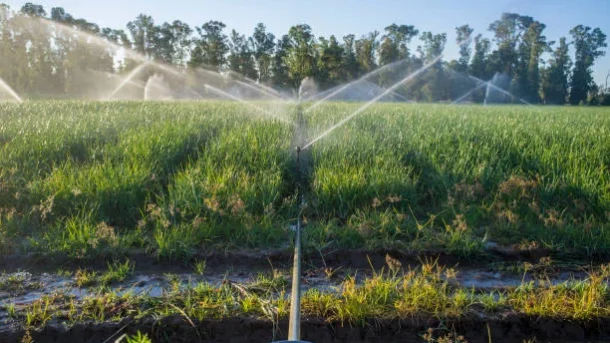
Water scarcity and competition: Farmers frequently struggle with other industries for dwindling water supplies in many places of the world. Farmers may find it difficult to adopt sustainable water management practices as a result of this water competition because they may have trouble getting enough water for irrigation or face water use restrictions.
Lack of infrastructure and technology: To maximize water consumption, sustainable water management frequently calls for the employment of cutting-edge irrigation technologies like drip irrigation or precision irrigation systems. However, for many farmers, especially small-scale farmers with limited financial means, the up-front costs of constructing and maintaining such infrastructure can be a considerable barrier. The implementation of sustainable water management is hampered by a lack of affordable and suitable solutions.
Knowledge and awareness gaps: Farmers may be unaware of sustainable water management measures, such as effective irrigation methods, water-saving techniques, and crop water requirements. Farmers’ capacity to make intelligent judgments and successfully implement sustainable water management methods might be hampered by a lack of information and technical expertise.
Financial limitations: Investing upfront in infrastructure, technology, and training is frequently necessary to adopt sustainable water management practices. However, many farmers, particularly smallholders, struggle with money problems and do not have access to finance that is cheap or financial assistance to make these investments. Farmers may be unable to use sustainable water management techniques due to a lack of funding.