Seed

How can farmers identify and address common seed-related issues, such as seed-borne diseases or poor seed vigor?

Obtain quality seeds: Begin with seeds of the highest caliber from dependable sources. Purchase seeds from trustworthy seed suppliers or reputable seed growers who adhere to ethical seed production procedures. Quality seeds have passed testing and adhere to strict guidelines for purity, germination, and disease-freeness.

Simple seed quality tests can be carried out by farmers to evaluate germination rates, purity, and vigor. In germination testing, a representative sample of seeds is planted in a controlled environment, and the proportion of seeds that successfully germinate is tracked. Seeds are visually inspected as part of purity testing to look for weed seeds, off-types, or foreign objects. Tests on seed vigor determine whether seedlings will germinate and grow quickly.
Practice seed treatment: Seed-borne infections can be addressed and seed performance can be improved by using seed treatment techniques. Fungicide or insecticide coatings, priming or pre-conditioning treatments to improve germination and early seedling growth, and biological treatments utilizing advantageous microorganisms to support plant health are some examples of treatments.

Ensure adequate seed storage: Maintaining the viability and quality of seeds requires proper seed storage. To reduce moisture and temperature variations, store seeds in a cold, dry, and well-ventilated environment. Use seed bags or airtight containers to keep pests and fungi out of your seeds. Seed variety, storage date, and any other pertinent information should be written on containers.
How can farmers implement seed saving techniques to promote biodiversity and sustainability?

saving

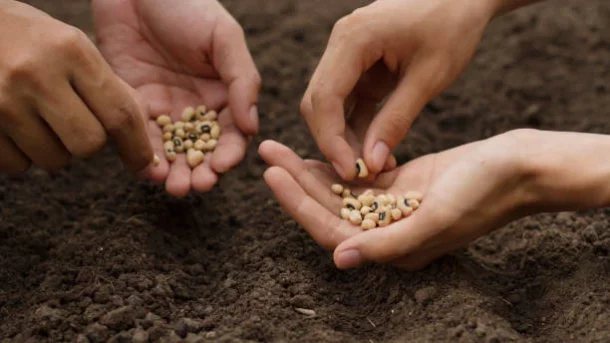
Choose heirloom or open-pollinated varieties: Heirloom and open-pollinated types yield seeds that will develop into plants with traits resembling the parent plant. Because their seeds may be trustworthily preserved and replanted to preserve the desired qualities over generations, these types are excellent for seed saving.

Choose the right plants to save seeds from: For seed saving, pick plants that are robust, healthy, and have the features you want. Choose plants with characteristics that are significant to you, such as disease resistance, yield, flavor, or any other quality. Selecting plants with disease symptoms or low performance is a bad idea.

Eliminate and prevent cross-pollination: Some plant species are susceptible to this process, in which pollen from various kinds combines and produces hybrid seeds. Place physical barriers like nets, cages, or distances between plants to prevent cross-pollination in order to preserve the integrity of the stored seeds.

It is best to wait until the seeds are fully developed and dried on the plant before harvesting them. Immature seeds may not germinate, thus it is best to let them dry on the plant until they are at their ideal age. When the seeds are ready and dry, keep an eye on the plant and harvest them.

What role do genetically modified (GM) seeds play in modern agriculture, and what are the associated benefits and concerns?

genetically modified

Resistance to pests and illnesses: Genetically modified (GM) seeds can express characteristics that render crops resistant to specific pests, insects, or diseases. This may lessen the need for chemical pesticides, resulting in lower production costs, less pesticide use, and perhaps less negative effects on the environment.

Herbicide tolerance: Some Genetically modified (GM) crops have been designed to withstand a certain class of herbicides. This makes it possible for farmers to employ more effective weed management techniques by utilizing pesticides that target the weeds without hurting the crop.

Productivity gains: Through features like higher photosynthesis, nitrogen uptake, or stress tolerance, GM crops may have increased yield potential. To satisfy the rising demand for food around the world, this can help enhance crop productivity and food output.

Increased nutritional value: Genetically modified (GM) crops can be altered to have more nutritional value, such as higher vitamin or mineral concentrations. This has the ability to treat certain nutrient deficits in some areas and enhance outcomes for public health.

How do seed germination rates vary across different plant species, and what factors can affect germination success?

plant species

Mechanisms for dormancy: Some seeds and plant species have internal mechanisms for dormancy that delay germination unless specific requirements are met. Hard seed coverings, chemical inhibitors, or physiological dormancy are a few examples of causes of dormancy. To break dormancy and encourage germination, specific treatments like scarification (mechanical or chemical abrasion of the seed coat) or stratification (exposure to cold temperatures) may be needed.

Temperature: The germination of seeds is greatly influenced by temperature. For optimal germination, different plant species require different temperatures. The ideal temperature range or certain temperature thresholds for seed germination may exist. While some seeds prefer cooler temps, others need warmth. If the temperature is too high or too low for a particular species, germination may be hampered or delayed.

Moisture: For seeds to germinate, there must be enough moisture. The germination process in seeds is triggered by a particular moisture content. While an abundance of moisture can result in rotting, fungal or bacterial growth, and seedling damping-off, it can also delay or prevent germination. For successful seed germination, the right soil moisture levels and irrigation techniques are essential.

Light requirements: Some plant species need light to germinate, while others may need darkness. Some seeds must be exposed to light in order to germinate, and dirt might prevent this from happening. However, some seeds need complete darkness to germinate. For optimal germination, it’s crucial to understand the lighting needs of various plant species.

What are the best practices for seed storage and preservation to maintain their viability?

Before storing, seeds should be completely dried in order to avoid the growth of mold and preserve the quality of the seeds. The moisture level of most seeds should be dried to between 5 and 10%. Spread the seeds out in a single layer and place them in a well-ventilated spot out of the direct sun to dry naturally. To ensure equal drying, give the seeds a regular stir or spin.

Before storing the seeds, clean and remove any plant matter, chaff, or other pollutants. Cleaning the seeds aids in preventing fungus growth and bug presence, both of which can harm the seeds during storage.

Use airtight containers: To keep dried seeds safe from moisture, air, and pests, store them in airtight containers. Glass jars, metal cans, or seed packs that can withstand moisture are all acceptable containers. Make sure the containers are tidy, dry, and devoid of any lingering chemicals or scents that can impair the quality of the seeds.

Keep seeds in a cool, dry environment: To keep seeds viable, they should be kept in a cool, dry, and dark environment. Since lower temperatures slow down the pace of seed breakdown, the best storage temperature is normally between 32°F (0°C) and 41°F (5°C). The seeds should not be exposed to extreme heat because this would shorten their lifespan.

How do hybrid seeds differ from open-pollinated seeds, and what are the advantages and disadvantages of each?

open-pollinated

Hybrid seeds are created by open-pollinated two separate parent plants that have desirable characteristics. The resulting hybrid seeds have unique traits that come from both parents. To obtain desirable features like increased yield, disease resistance, or uniformity, the hybridization process is meticulously managed.

Benefits of hybrid seeds include:

Increased productivity: Compared to open-pollinated seeds, hybrid seeds frequently display hybrid vigor or heterosis, which leads to larger yields.
Improved characteristics: Hybrids are produced to have particular characteristics like disease resistance, consistency in size, shape, or color, and higher environmental tolerance.
Hybrid plants typically exhibit more consistent development, maturity, and other traits, which can be helpful for farming and harvesting with machinery.
Hybrids typically perform better than open-pollinated seeds in terms of consistency.
Hybrid seed disadvantages include:

Dependence on seed suppliers: Because hybrid seeds do not produce true-to-type progeny, they cannot be kept and sown for consecutive seasons. Each planting season, farmers must buy hybrid seeds, which can raise output expenses.
Limited genetic diversity: The particular parent lines employed in the creation of hybrid seeds frequently determine the genetic make-up of those seeds. They may be more susceptible to specific pests, illnesses, or environmental changes as a result of their decreased genetic variety.
Less adaptability: Hybrid seeds are frequently developed for certain growing conditions or habitats. If the circumstances are drastically different from the target setting, they could not perform as well.
Breeding complexity: Creating hybrid seeds involves specialized breeding methods and knowledge, which may restrict their availability and raise their price in comparison to other types of seeds.

What is the significance of seed treatment methods in enhancing crop productivity?

seed treatment methods

Pest and disease management: seed treatment methods can aid in the defense of seeds and young seedlings against a variety of pests and diseases. Crops can suffer severe harm from seed-borne diseases and insect pests, which can result in decreased germination, subpar stand establishment, and lower yields. Applying fungicides, insecticides, or biological agents to the seeds as seed treatment methods can help suppress or manage these infections and pests. Seed treatments help crops grow healthier and more vigorously by defending the seeds during the crucial early stages.

Improvements in germination rates and early seedling vigor can be attained through seed treatments. Certain seed treatments can help seeds germinate more quickly and uniformly by breaking dormancy, enhancing imbibition, and providing vital nutrients or growth stimulants.

Accessibility and Uptake of Nutrients: Some seed treatments contain nutrients or biostimulants that enhance the accessibility and uptake of nutrients by the sprouting seedlings. Improved crop productivity can result from these treatments, which can promote early root formation, nutrient absorption, and overall plant growth.

Environmental Stress Resistance: Seed treatments can provide resistance to environmental conditions including drought, heat, or cold. They might contain elements that encourage increased resistance to these stresses, improving the plant’s capacity to tolerate challenging circumstances and minimizing yield losses.

How can farmers ensure the quality and purity of seeds before planting?

quality and purity

Buy seeds from dependable vendors: It’s critical to purchase seeds from dependable, accredited seed suppliers. These suppliers follow quality guidelines and offer seeds that have undergone testing and been found to be of high quality and purity. Look for seed businesses that have a history of generating high-quality seeds and a solid track record of delivering on their promises.

Examine the seed labels and packaging to make sure they include comprehensive information about the seed variety, origin, germination rate, purity, and any treatments or coatings used on the seeds. The name and contact details of the seed source should also be on the label. Make sure the packing is complete and sealed properly.

Seek out certification and quality assurance; Certified seeds have undergone stringent quality testing and have proven to meet the requirements of seed certification organizations. Check to determine whether the seeds have any quality and purity assurance certifications or are certified by a reputable organization. By being certified, seeds are guaranteed to have undergone purity, germination, and contamination or disease testing.

Simple germination tests can be carried out by farmers to determine the viability and germination rate of the seeds. Take a sample of the seeds, and then follow the correct germination protocols, such as offering the right amount of moisture and heat. Keep track of the percentage of seeds that sprout within a certain amount of time. Poor seed quality may be indicated by a low germination rate.

What are the key factors to consider when selecting seeds for different crops?

selecting seeds

Climate and Growing Conditions: Each crop has unique environmental and climate needs. Take into account the growing season length, humidity, rainfall, and temperature in your area. To increase the likelihood that your seeds will germinate and grow well, selecting seeds that are well adapted to your region’s climate.

In order to grow a given crop, selecting seeds that are resistant to typical diseases and pests that harm that crop. The need of chemical interventions can be minimized with the use of disease-resistant seedlings.

Yield and Productivity: Take into account the crop variety you are choosing’s potential yield and productivity. Look for seeds that have a history of consistently producing good yields. Frequently, seed catalogs or regional agricultural extension offices will have this information.

Maturity Period: The time from planting to harvest is referred to as a crop’s maturity period. Choose seeds with a maturation duration that corresponds with the length of your growing season. By doing this, you can be confident that the crop will have enough time to mature and yield a harvest before bad weather conditions appear.

Quality and Viability: Pick seeds with a high level of both quality and viability. Examine elements including seed uniformity, color, and size. To retain the seeds’ viability, make sure they are properly stored and are not old.

Desired Traits: Take into account any particular traits or qualities you are trying to find in your crop. This may involve elements like flavor, color, texture, or particular nutritional characteristics. The flavor, look, and nutritional content of different seed kinds might vary.

What are the problems caused by inadequate access to credit and financial services for agricultural investments?

financial services

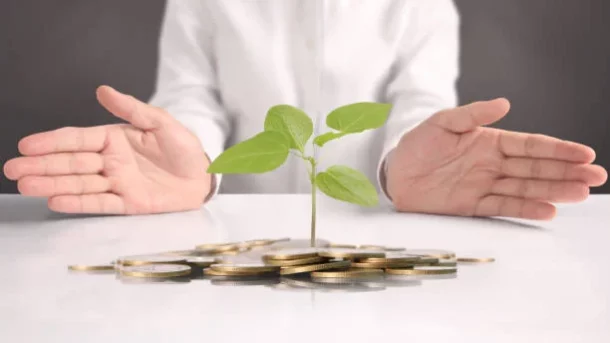
Farmers and the agricultural industry as a whole may face serious difficulties as a result of inadequate access to financing and financial services for agricultural investments. The following are some issues that may result from this problem.

Limited Investment Capacity: Farmers’ capacity to invest in contemporary agricultural practices, machinery, equipment, and technology may be constrained by a lack of access to financing and financial services. Because of this, they are less productive and efficient, which results in lower yields, lower profits, and less chances for expansion and diversification.

Limited Expansion and Innovation: Farmers may encounter difficulties implementing new farming methods or expanding their enterprises without access to credit. Farmers may be unable to adapt to shifting market demands and environmental issues if they are unable to embrace sustainable and climate-smart practices.

Limited Working Capital: Seasonal financial flows and erratic income trends are features of the agricultural industry. Farmers may struggle to buy supplies like seeds, fertilizer, and insecticides or to find workers to work during crucial production seasons if they have insufficient access to financing. This may cause crop quality to decline, output to be delayed, and market opportunities to be lost.

Lack of access to financing and financial services makes farmers more susceptible to hazards like pest infestations, diseases, and natural disasters. Farmers may find it difficult to recover from such shocks and to reestablish their businesses in the absence of financial safety nets. Farmers’ communities may experience a rise in poverty and food insecurity as a result of this.